Why it works: Bread and butter are a kitchen classic. They rank in the top 7% of all ingredient pairs, and cooks put them together in 27,232 recipes. Both carry delta-decalactone, which smells sweet, creamy. The science ↓
Classic Puff Pastry
Ingredients
Directions
Make the dough
Mix the salt into the larger portion of flour.
Add the cold water to the flour and salt and work it into a dough.
Knead about 80 times to make a soft dough and build some gluten.
Flatten the dough to allow quicker cooling and refrigerate.
Make the butter paste
Combine the room-temperature butter with the smaller portion of flour and mix well; it will form a soft paste that is easy to spread.
Laminate
Take the chilled dough and roll it into a rectangle about ¼–½ inch thick.
Leaving a 1-inch margin around the edge, spread the butter over two-thirds of the dough.
Fold the dough into thirds, starting with the portion without butter.
Refrigerate for 20–30 minutes to allow the dough to relax and keep the butter from being displaced when rolling again.
Roll the dough out again to a large rectangle the same size as the first.
Fold the dough so that the two short edges meet in the center, then fold in half; this gives four layers, a four-fold.
Refrigerate the dough again, roll it out, and perform another four-fold. Repeat this step two more times to complete the dough.
Nutrition, whole recipe (rough)
Counts 3 of 4 ingredients. The other 1 aren't in our nutrition table and add nothing above, so the real totals are higher.
What these numbers assume: 3 portions
| Ingredient | Portion assumed | kcal |
|---|---|---|
| Flour | 1 cup (125g) all-purpose | 455 |
| Butter | 1 tbsp (14g) | 102 |
| Salt | 1 tsp (6g) | 0 |
| Water | not in our table | 0 |
One typical portion per ingredient; the recipe's quantities are not counted. A rough guide only, not for medical or dietary planning.
Steps grouped into stages for easier reading; the method is the source's own.
Explore the science
The flavor team
The pairs that carry this dish. Each one is judged two ways: how much their aromas overlap, and how often cooks already put them together.
-
Bread + buttertop 7% of all pairsSmell alikemoderateCooked together27,232 recipes
Shared aroma: delta-decalactone (sweet, creamy).
-
Flour + buttertop 12% of all pairsSmell alikelowCooked together124,287 recipes
Shared aroma: isobutyraldehyde (malty, green).
-
Bread + flourtop 25% of all pairsSmell alikelowCooked together10,383 recipes
Shared aroma: isobutyraldehyde (malty, green).
Flour and butter barely smell alike, yet cooks put them together in 124,287 recipes: they work on texture and structure more than aroma.
Ranks compare each pair with 20,000 random ingredient pairs on CompKitchen. How we score pairs
What each ingredient does
- Bread flour
- Forms the gluten network that gives the dough its elasticity and structure for holding the layers.
- Cold water
- Hydrates the flour so gluten can develop, keeping the dough cool and workable.
- Room temperature butter
- Forms separate fat layers that create steam and lift, producing the flaky texture.
- Salt
- Adds flavor and tightens the gluten structure of the dough.
The step that matters
Keep the butter and dough cold during rolling. If the butter softens or melts into the dough, it blends in instead of staying as distinct layers, so the pastry loses its flakiness. Chilling between folds keeps the layers separate.
“What each ingredient does” and “The step that matters” were written by Claude from this recipe’s own method and reviewed in samples by CompKitchen.
More puff pastry recipes
You might also like
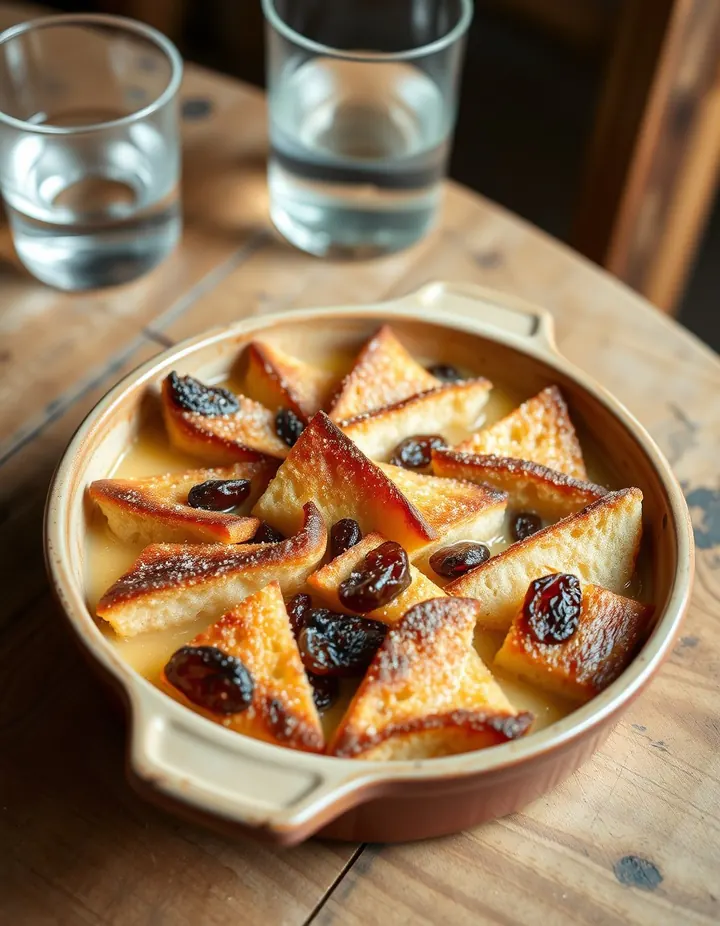 Bread Pudding153 recipes
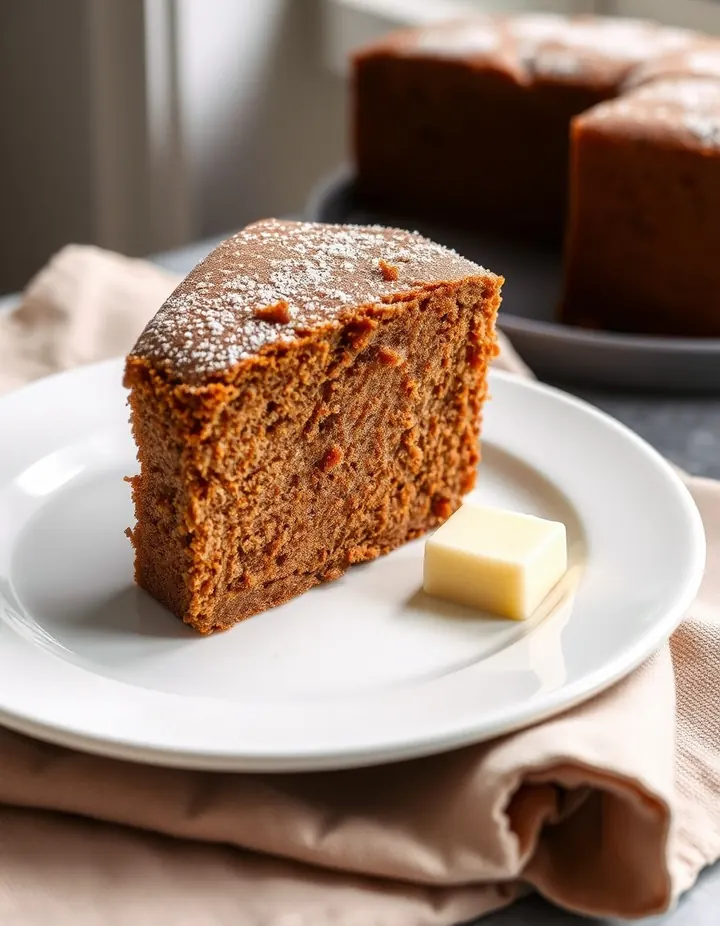 Soft Ginger Bread85 recipes
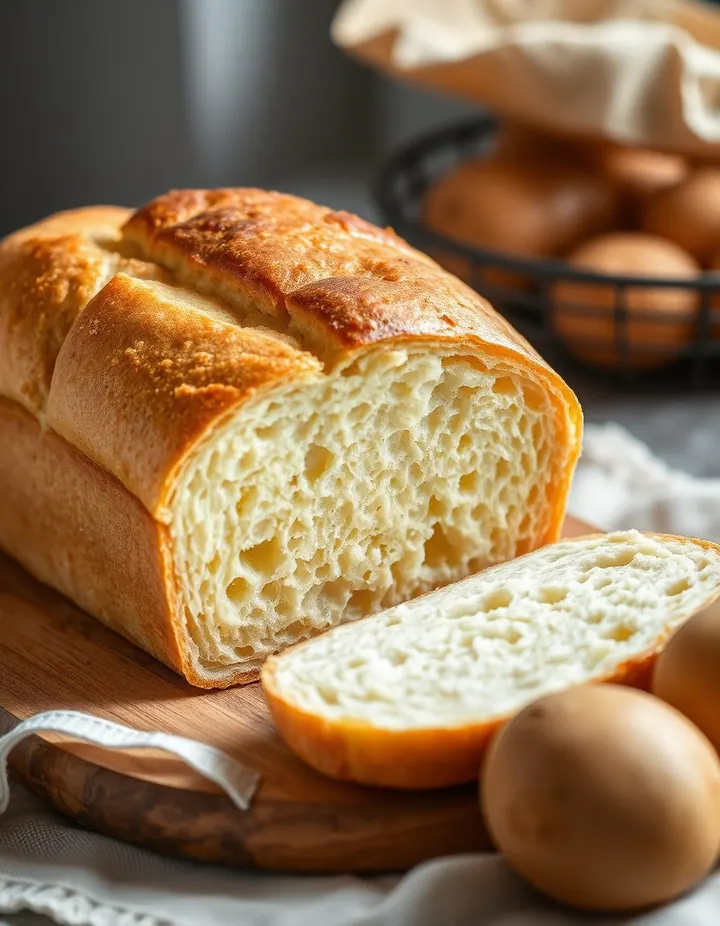 Orange Potato Bread80 recipes
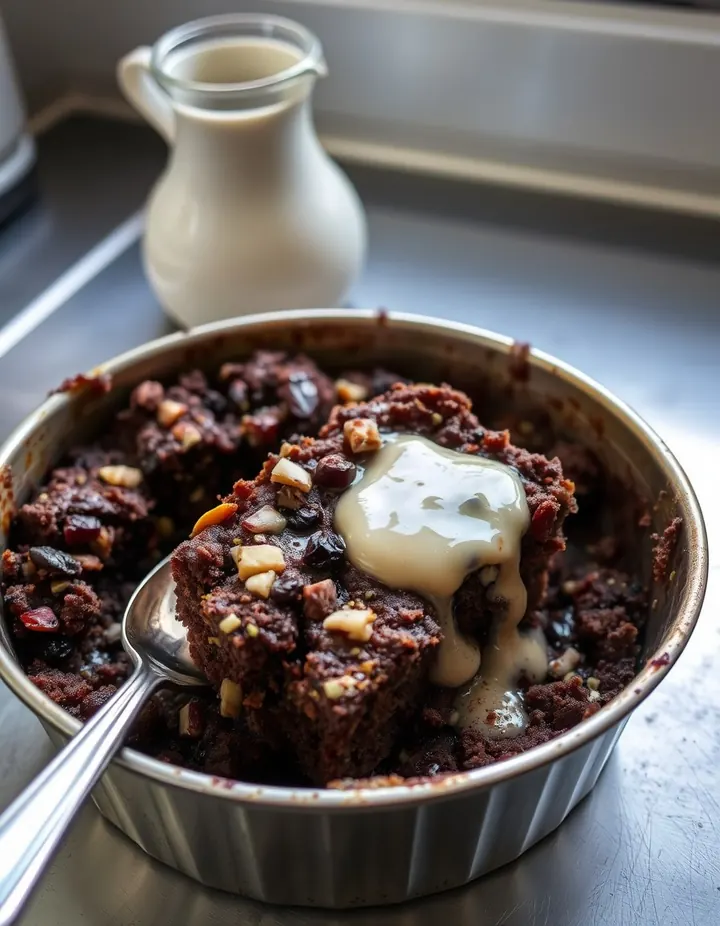 Brown Bread Pudding47 recipes
The free Flavor Lab newsletter: one surprising pairing a week and the molecular reason it works, in 60 seconds. No spam, unsubscribe anytime.
Prefer an account? Create a free account to save pairings and unlock the full chemistry.