Why it works: Ginger and cinnamon match in chemistry and in kitchens. They rank in the top 1% of all ingredient pairs, and cooks put them together in 6,380 recipes. Both carry estragole, which smells anise, licorice. The science ↓
Crispy Gingerbread Cookies
Serves 2Ingredients
Directions
Make the dough
Pour sugar, molasses, spices, and salt into a large saucepan.
Bring the mixture to a boil.
Remove the saucepan from heat.
Add the baking soda and butter and stir until the butter melts.
Quickly stir in the egg.
Add the flour and mix well.
Chill for several hours until firm enough to roll.
Shape and bake
Preheat the oven to 325 °F (170 °C).
Roll the dough out until thin on a lightly‑floured surface.
Cut the dough with cookie cutters.
Place the cut cookies on a cookie sheet sprayed with non‑stick cooking spray.
Bake for about 15 minutes at 325 °F (170 °C).
Cool the cookies on racks.
Nutrition, whole recipe (rough)
What these numbers assume: 8 portions
| Ingredient | Portion assumed | kcal |
|---|---|---|
| Flour | 1 cup (125g) all-purpose | 455 |
| Butter | 1 tbsp (14g) | 102 |
| Egg | 1 large egg (50g) | 78 |
| Molasses | 1 tbsp (20g) | 58 |
| Sugar | 1 tbsp (12.5g) granulated | 49 |
| Cinnamon | 1 tsp ground (2.6g) | 6 |
| Ginger | 1 tsp grated fresh (2g) | 2 |
| Salt | 1 tsp (6g) | 0 |
One typical portion per ingredient; the recipe's quantities are not counted. A rough guide only, not for medical or dietary planning.
Steps grouped into stages for easier reading; the method is the source's own.
Explore the science
The flavor team
The pairs that carry this dish. Each one is judged two ways: how much their aromas overlap, and how often cooks already put them together.
-
Ginger + cinnamontop 1% of all pairsSmell alikestrongCooked together6,380 recipes
Shared aroma: estragole (anise, licorice).
-
Cinnamon + flourtop 9% of all pairsSmell alikemoderateCooked together17,341 recipes
Shared aroma: isobutyraldehyde (malty, green).
-
Sugar + cinnamontop 10% of all pairsSmell alikelowCooked together30,779 recipes
Shared aroma: guaiacol (smoky, sweet).
-
Sugar + molassestop 11% of all pairsSmell alikemoderateCooked together9,225 recipes
Shared aroma: ethanol (alcoholic, ethereal).
-
Molasses + cinnamontop 11% of all pairsSmell alikelowCooked together4,928 recipes
Shared aroma: ethanol (alcoholic, ethereal).
Sugar and cinnamon barely smell alike, yet cooks put them together in 30,779 recipes: they work on texture and structure more than aroma.
Ranks compare each pair with 20,000 random ingredient pairs on CompKitchen. How we score pairs
What each ingredient does
- Flour
- Provides the structure that holds the cookies together as they bake.
- Butter
- Adds fat for tenderness and rich flavor in the cookies.
- Egg
- Binds the dough and adds structure and moisture.
- Baking soda
- Reacts with the molasses and sugar to lift the cookies and help them brown.
- Molasses
- Adds moisture, dark color, and deep sweetness with a slight acidity.
- Light brown sugar
- Adds sweetness, moisture, and soft texture to the dough.
The step that matters
Chill the dough until firm. Warm dough is soft and sticky, so it spreads in the oven and is hard to roll. Chilling firms the butter so the cut shapes hold their edges and the cookies keep their form while baking.
Swap the ginger
How well each one fits the dish's main ingredients (sugar, molasses, cinnamon, butter, egg, flour):
- Nutmegfits better
- Cardamomfits about as well
- Allspicefits about as well
- Gingerthe original
Fit is the average pairing score against sugar, molasses, cinnamon, butter, egg, flour. Candidates are from the same food group and used in at least 100 recipes.
“What each ingredient does” and “The step that matters” were written by Claude from this recipe’s own method and reviewed in samples by CompKitchen.
You might also like
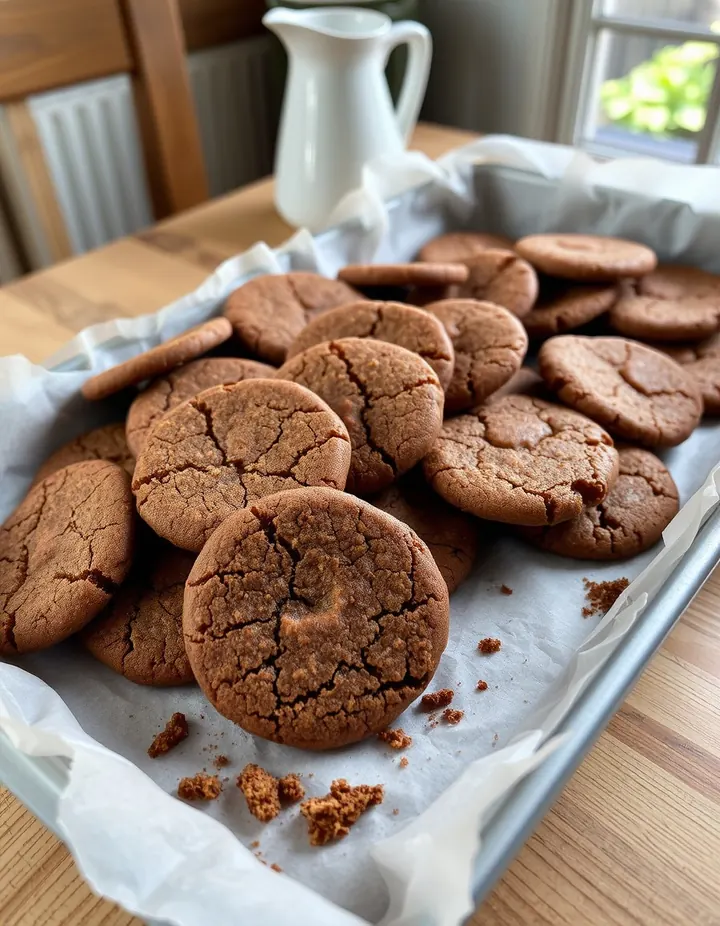 Ginger Cookies213 recipes
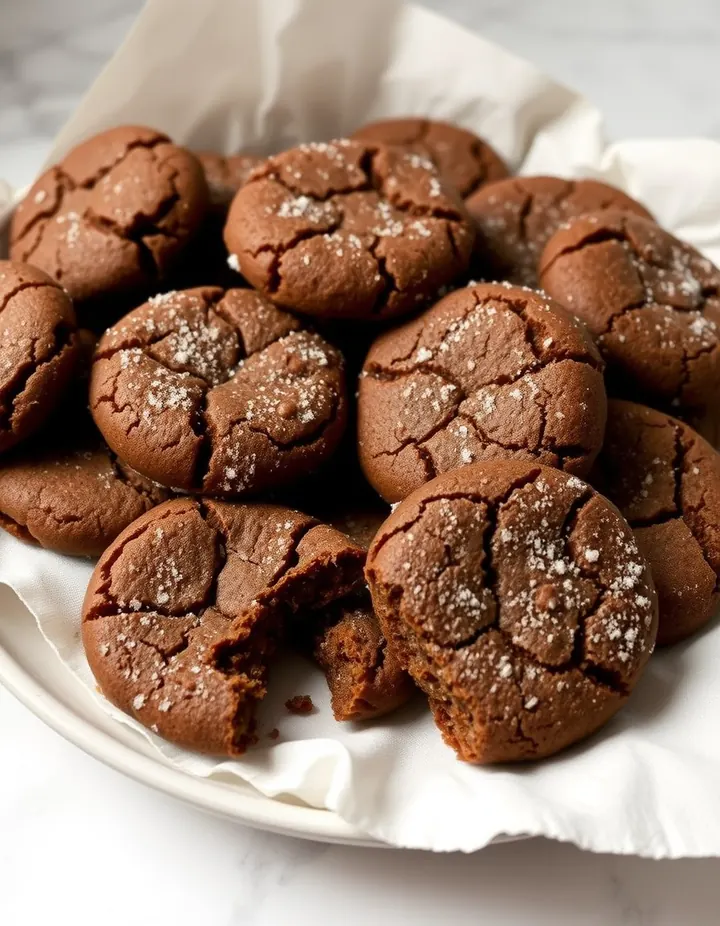 Molasses Cookies96 recipes
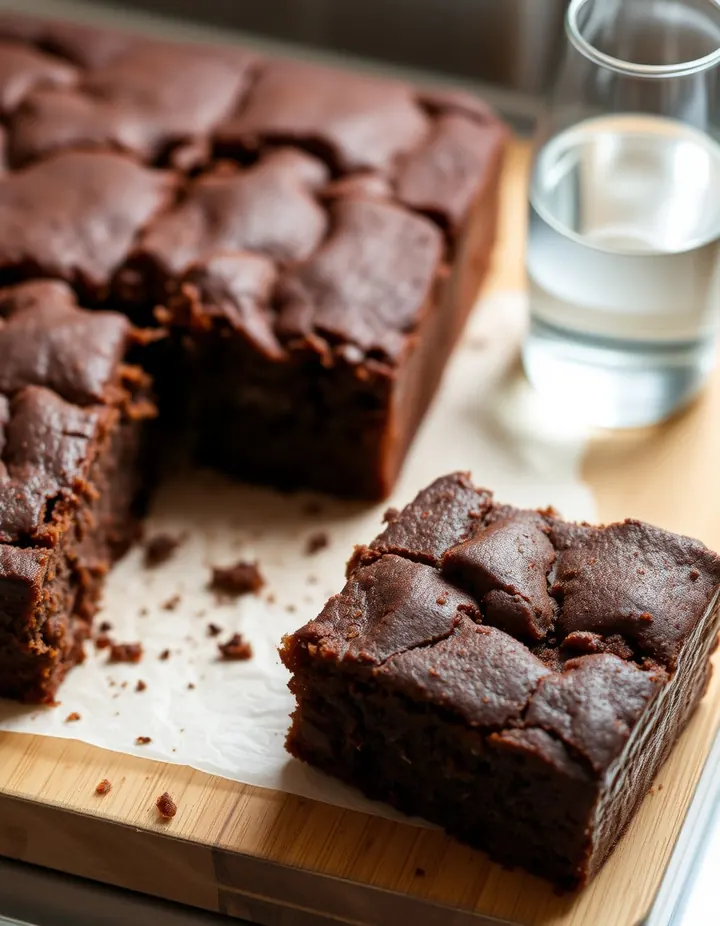 Ginger Cake93 recipes
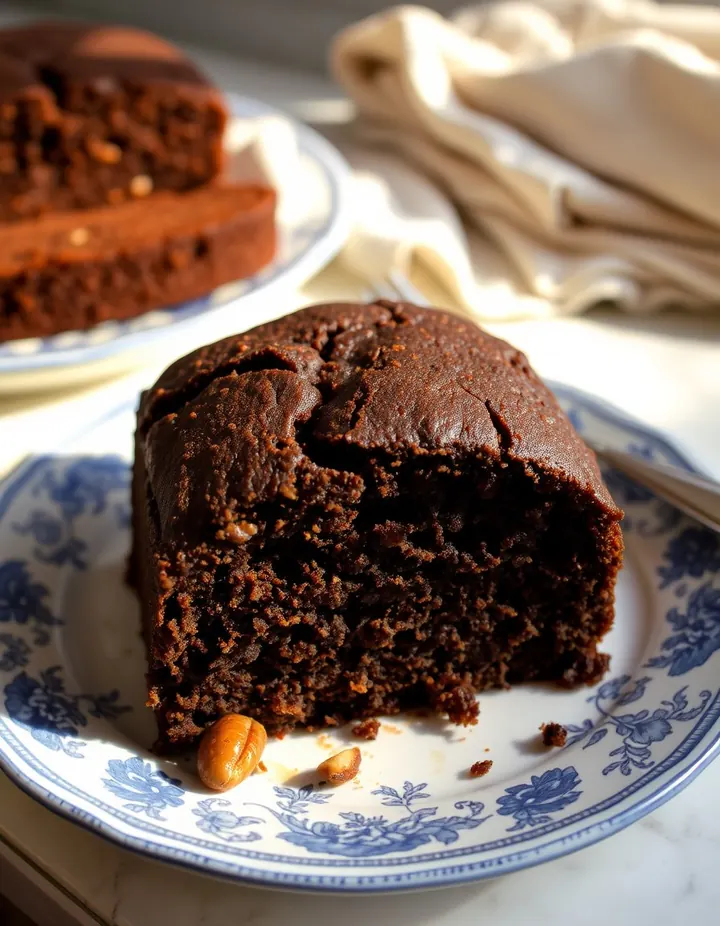 Molasses Cake90 recipes
The free Flavor Lab newsletter: one surprising pairing a week and the molecular reason it works, in 60 seconds. No spam, unsubscribe anytime.
Prefer an account? Create a free account to save pairings and unlock the full chemistry.