Why it works: Potato and onion are a kitchen classic. They rank in the top 3% of all ingredient pairs, and cooks put them together in 9,023 recipes. Both carry 2-isopropyl-3-methoxypyrazine, which smells earthy, pea. The science ↓
French Canadian Shepherd's Pie
Ingredients
Directions
Prepare the potatoes
Boil potatoes in lightly salted water until soft, then drain.
Mash potatoes, adding 2 tbsp butter and just enough milk to achieve a spreadable consistency. Set aside.
Make the beef layer
Brown ground beef with onions and peppers. Drain fat.
Put ground beef mixture in bottom of casserole dish.
Mix creamed corn and whole kernel corn, then spread over beef.
Bake and serve
Spread mashed potatoes across the top to form a crust.
Lightly sprinkle with paprika, salt, pepper to taste, and make tracks with a fork if desired.
Bake uncovered at 400°F until potatoes are golden brown (approximately 30 minutes).
Serve hot with sliced chilled pickled beets.
Nutrition, whole recipe (rough)
Counts 9 of 10 ingredients. The other 1 aren't in our nutrition table and add nothing above, so the real totals are higher.
What these numbers assume: 9 portions
| Ingredient | Portion assumed | kcal |
|---|---|---|
| Beef | 100g cooked | 250 |
| Potato | 1 medium (173g) baked | 161 |
| Milk | 1 cup (244ml) whole | 149 |
| Butter | 1 tbsp (14g) | 102 |
| Corn | 1/2 cup kernels (82g) | 77 |
| Onion | 1 medium (110g) | 44 |
| Bell Pepper | 1 medium (119g) | 31 |
| Black Pepper | 1 tsp ground (2.3g) | 6 |
| Salt | 1 tsp (6g) | 0 |
| Sauce | not in our table | 0 |
One typical portion per ingredient; the recipe's quantities are not counted. A rough guide only, not for medical or dietary planning.
Steps grouped into stages for easier reading; the method is the source's own.
Explore the science
The flavor team
The pairs that carry this dish. Each one is judged two ways: how much their aromas overlap, and how often cooks already put them together.
-
Potato + oniontop 3% of all pairsSmell alikemoderateCooked together9,023 recipes
Shared aroma: 2-isopropyl-3-methoxypyrazine (earthy, pea).
-
Potato + corntop 5% of all pairsSmell alikestrongCooked together938 recipes
Shared aroma: (e)-2-octenal (fatty, green).
-
Beef + oniontop 7% of all pairsSmell alikemoderateCooked together17,092 recipes
Shared aroma: 2-isopropyl-3-methoxypyrazine (earthy, pea).
-
Butter + milktop 7% of all pairsSmell alikemoderateCooked together81,283 recipes
Shared aroma: (z)-4-heptenal (biscuit, cream).
-
Potato + beeftop 8% of all pairsSmell alikemoderateCooked together2,052 recipes
Shared aroma: sotolon (curry, maple).
Ranks compare each pair with 20,000 random ingredient pairs on CompKitchen. How we score pairs
What each ingredient does
- Potatoes
- Form the starchy mashed topping that becomes a golden crust when baked.
- Ground beef
- Provides the savory, browned meat base layer of the casserole.
- Butter
- Adds richness and fat to the mash for a smoother, softer texture.
- Milk
- Moistens the mashed potatoes so they spread easily and stay creamy.
- Corn
- Adds sweetness and pops of texture to the middle layer.
- Onion
- Adds savory aroma and sweetness as it cooks with the beef.
The step that matters
Drain the fat after browning the beef. Excess rendered fat left in the pan would pool in the casserole, making the layers greasy and loose rather than cleanly stacked.
Swap the onion
How well each one fits the dish's main ingredients (potato, beef, pepper, corn, butter, milk):
- Capsicumfits better
- Tomatofits better
- Carrotfits about as well
- Onionthe original
Fit is the average pairing score against potato, beef, pepper, corn, butter, milk. Candidates are from the same food group and used in at least 100 recipes.
“What each ingredient does” and “The step that matters” were written by Claude from this recipe’s own method and reviewed in samples by CompKitchen.
You might also like
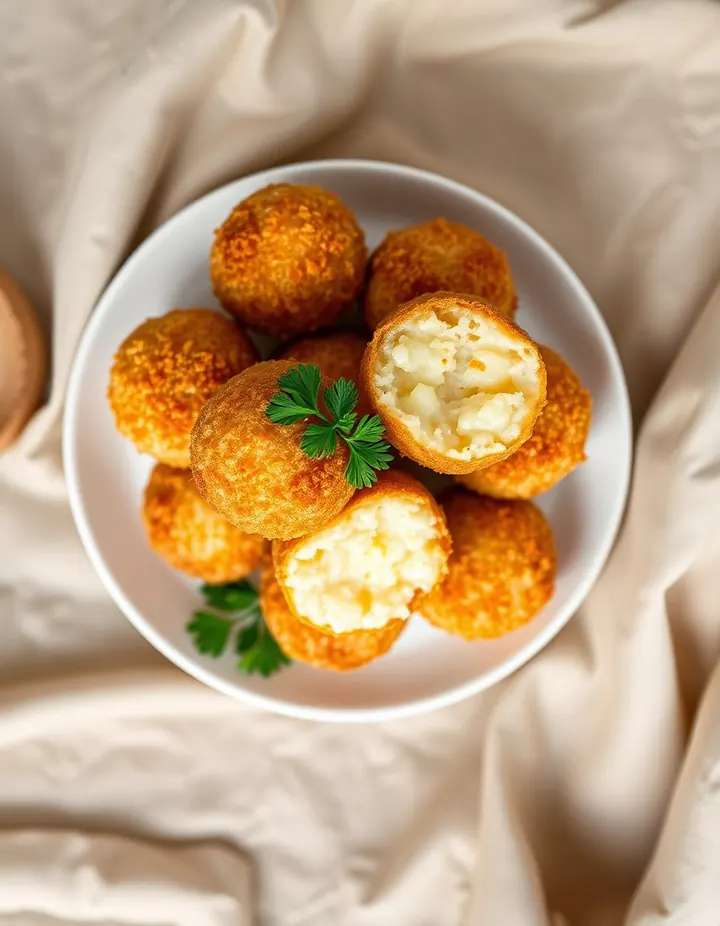 Deep-Fried Potato Balls119 recipes
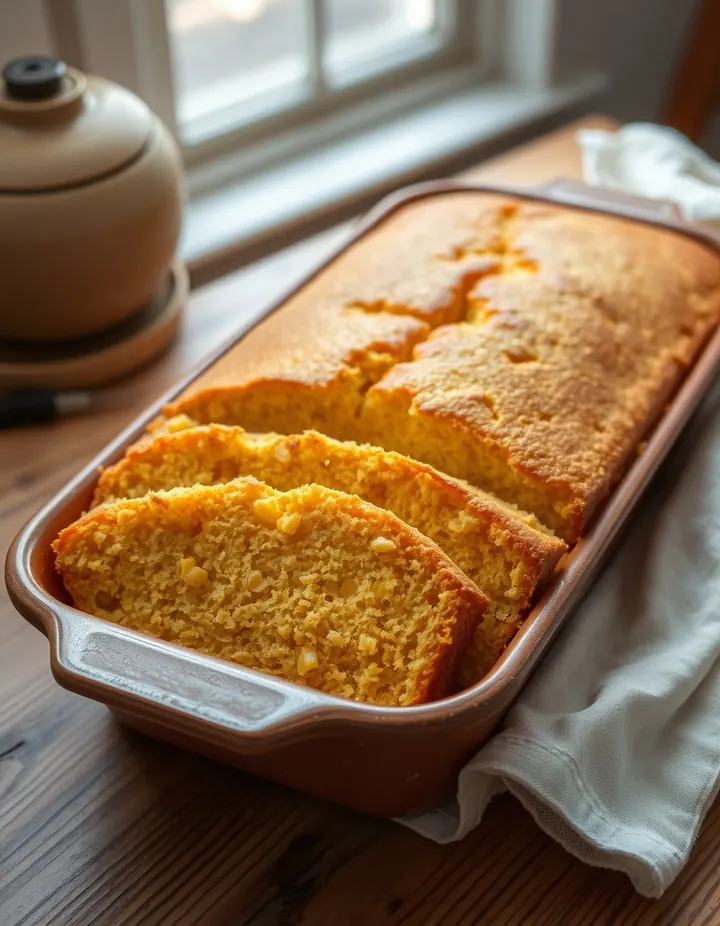 Corn Cake90 recipes
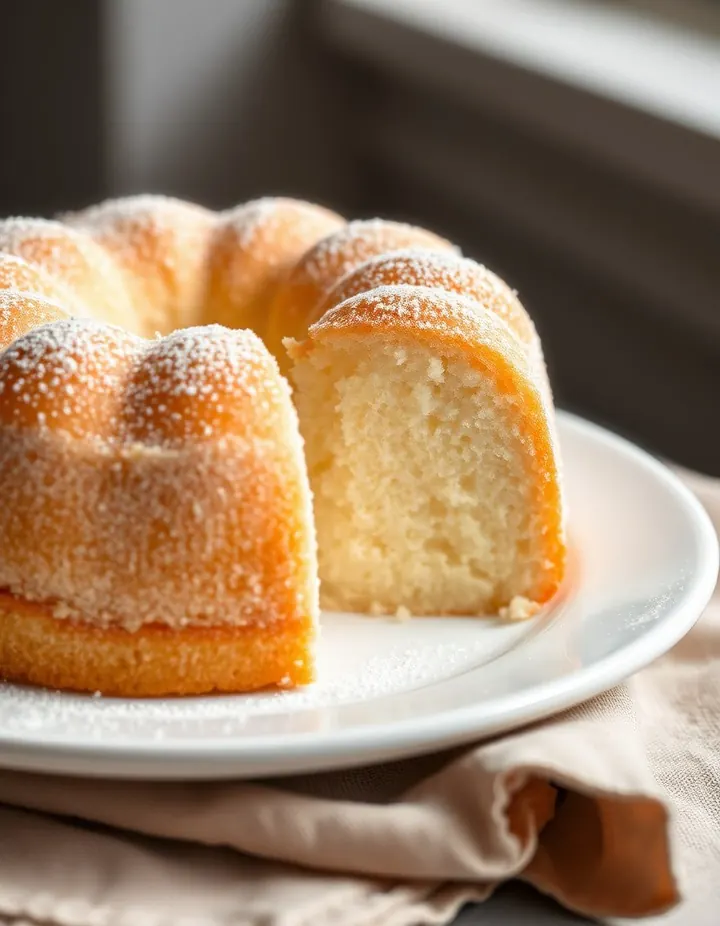 Corn Starch Cake89 recipes
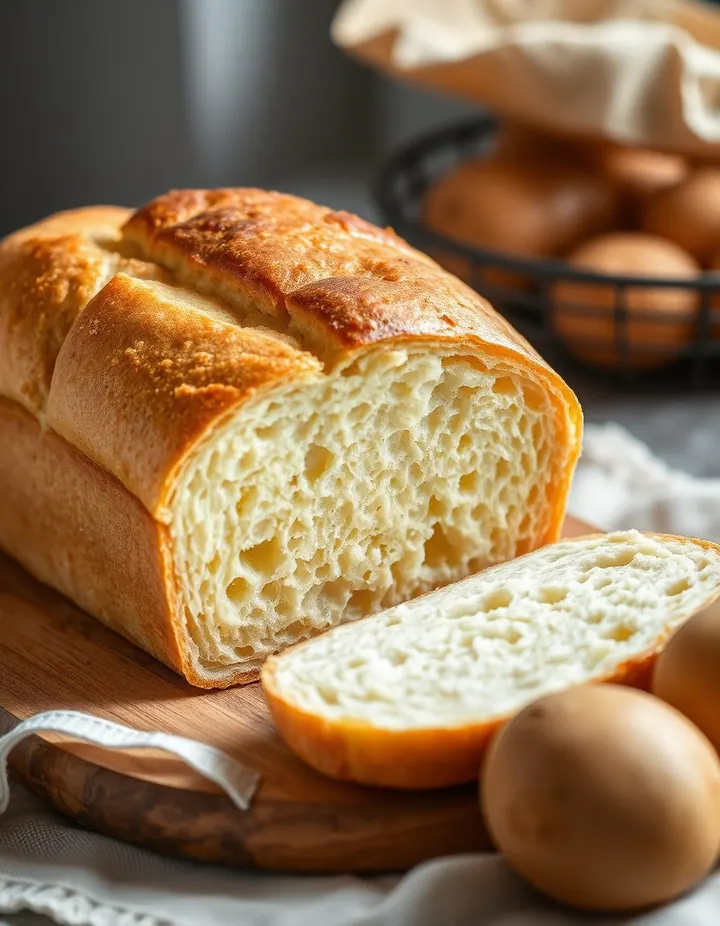 Orange Potato Bread80 recipes
The free Flavor Lab newsletter: one surprising pairing a week and the molecular reason it works, in 60 seconds. No spam, unsubscribe anytime.
Prefer an account? Create a free account to save pairings and unlock the full chemistry.