Why it works: Butter and bread are a kitchen classic. They rank in the top 7% of all ingredient pairs, and cooks put them together in 27,232 recipes. Both carry delta-decalactone, which smells sweet, creamy. The science ↓
Harlequin Cake
Ingredients
Directions
Make the batter
Cream butter and sugar.
Beat in the yolks of three eggs.
Stir in the cup of milk.
Sift in the three cups of flour.
Add one measure of Horsford's bread preparation.
Stir in one teaspoonful of cream tartar.
Add one-half teaspoon of soda.
Beat in the whites of three eggs and mix all together.
Divide the dough into four equal parts.
Color and bake
Color two parts the color of the dough, flavor one with orange extract, the other with vanilla.
Color the third part with two squares of melted chocolate.
Color the fourth part with pink coloring and flavor with strawberry.
Bake each part.
Layer and frost
When done, lay a light layer, then a chocolate layer, then a light layer, then a pink layer.
Between the layers spread lemon jelly.
Frost with white frosting.
Make the lemon filling
Beat one egg.
Add one cup of water, grated rind and juice of one lemon.
Pour this slowly over one cup of sugar mixed with two tablespoons of flour.
Cook until quite smooth.
Nutrition, whole recipe (rough)
Counts 8 of 9 ingredients. The other 1 aren't in our nutrition table and add nothing above, so the real totals are higher.
What these numbers assume: 8 portions
| Ingredient | Portion assumed | kcal |
|---|---|---|
| Flour | 1 cup (125g) all-purpose | 455 |
| Chocolate | 1 oz (28g) semisweet | 155 |
| Milk | 1 cup (244ml) whole | 149 |
| Butter | 1 tbsp (14g) | 102 |
| Egg | 1 large egg (50g) | 78 |
| Cream | 1 tbsp (15ml) heavy | 51 |
| Sugar | 1 tbsp (12.5g) granulated | 49 |
| Lemon | juice of 1 lemon (48ml) | 12 |
| Water | not in our table | 0 |
One typical portion per ingredient; the recipe's quantities are not counted. A rough guide only, not for medical or dietary planning.
Transcribed from a scanned cookbook and modernised for today's kitchens. Where the book gave no heat or time, or said "a moderate oven", the temperatures and times here may be modern equivalents rather than the book's own figures. See the original page.
Explore the science
The flavor team
The pairs that carry this dish. Each one is judged two ways: how much their aromas overlap, and how often cooks already put them together.
-
Butter + breadtop 7% of all pairsSmell alikemoderateCooked together27,232 recipes
Shared aroma: delta-decalactone (sweet, creamy).
-
Butter + milktop 7% of all pairsSmell alikemoderateCooked together81,283 recipes
Shared aroma: (z)-4-heptenal (biscuit, cream).
-
Butter + creamtop 8% of all pairsSmell alikemoderateCooked together41,516 recipes
Shared aroma: delta-dodecalactone (sweet, creamy).
-
Sugar + creamtop 9% of all pairsSmell alikemoderateCooked together43,450 recipes
Shared aroma: 2,3-butanedione (butter, sweet).
-
Milk + breadtop 11% of all pairsSmell alikemoderateCooked together11,466 recipes
Shared aroma: 2-undecenal (sweet).
Ranks compare each pair with 20,000 random ingredient pairs on CompKitchen. How we score pairs
What each ingredient does
- Butter
- Adds richness and tenderness to the crumb through fat.
- Eggs
- Provide structure when set and add richness and moisture to the batter.
- Flour
- Forms the structure of the cake and thickens the lemon filling when cooked.
- Sugar
- Sweetens the cake and helps keep the crumb tender and moist.
- Baking soda
- Reacts with the acid in cream of tartar to produce gas that lifts the batter.
The step that matters
Cook until quite smooth. Flour only thickens and loses its raw taste when heated fully in liquid. Pouring slowly and cooking until smooth prevents lumps and an uncooked starchy flavor.
“What each ingredient does” and “The step that matters” were written by Claude from this recipe’s own method and reviewed in samples by CompKitchen.
You might also like
 Lemon Cake228 recipes
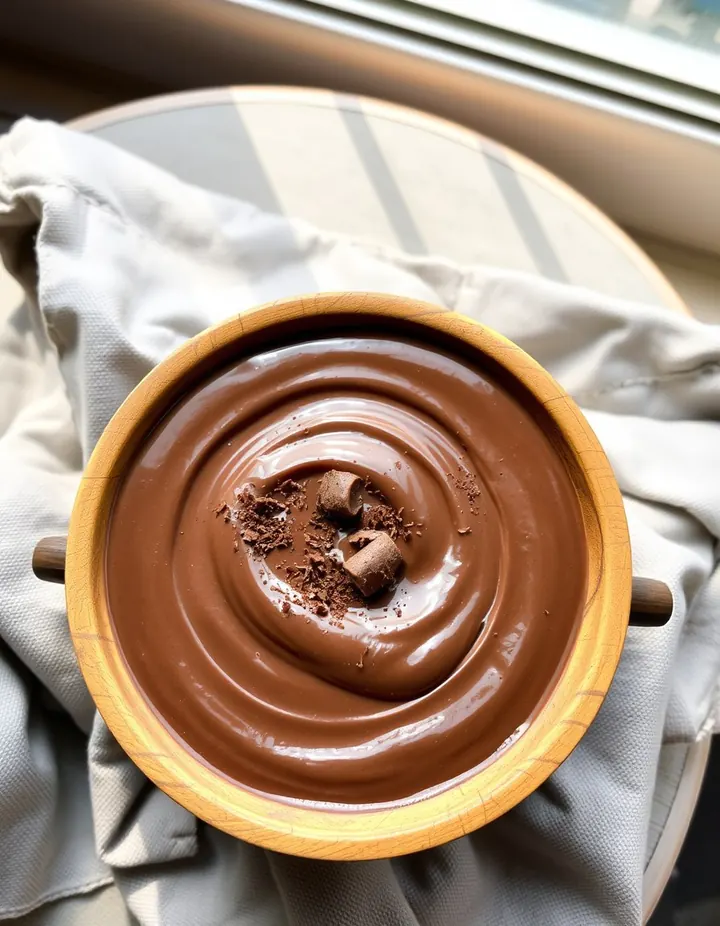 Chocolate Cream171 recipes
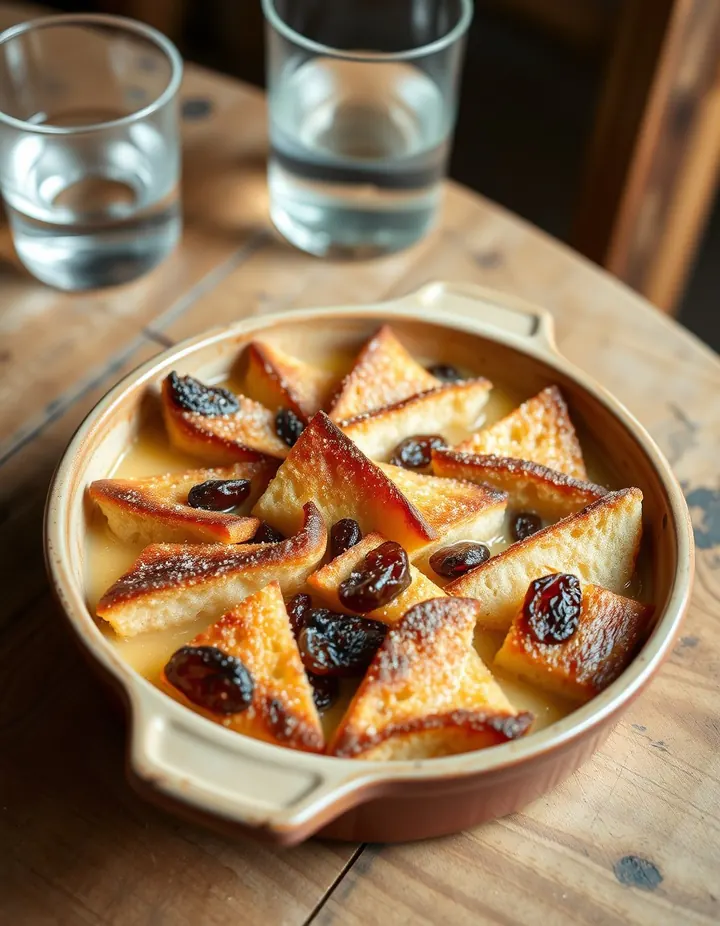 Bread Pudding153 recipes
 Lemon Ice147 recipes
The free Flavor Lab newsletter: one surprising pairing a week and the molecular reason it works, in 60 seconds. No spam, unsubscribe anytime.
Prefer an account? Create a free account to save pairings and unlock the full chemistry.