Why it works: Cinnamon and clove match in chemistry and in kitchens. They rank in the top 1% of all ingredient pairs, and cooks put them together in 14,189 recipes. Both carry ethyl cinnamate, which smells sweet, balsamic. The science ↓
Baked English Plum Pudding
Ingredients
Directions
Prepare the pudding
Combine three pints of new milk, one pound of bread crumbs, one cup of brown sugar, a fourth of a pound of suet chopped fine, six eggs, one pound of raisins, a half pound of dried currants, a fourth of a pound of citron, two tablespoons of cinnamon, one teaspoon of cloves, and the grated peel of one lemon.
Bake for three hours.
Rest the pudding the day before serving and warm over.
Make the sauce
Combine two cups of sugar, one cup of butter, and one tea-spoon of vanilla.
Beat the mixture until very light.
Grate nutmeg over the top.
Make the second mixture and boil
Combine one pound of raisins, one pound of currants, a half pound of suet chopped fine, six eggs, a pint of sweet milk, two teaspoons of cream tartar, one teaspoon of soda, and enough flour to make it like fruit cake.
Boil for three hours.
Nutrition, whole recipe (rough)
What these numbers assume: 11 portions
| Ingredient | Portion assumed | kcal |
|---|---|---|
| Flour | 1 cup (125g) all-purpose | 455 |
| Milk | 1 cup (244ml) whole | 149 |
| Butter | 1 tbsp (14g) | 102 |
| Egg | 1 large egg (50g) | 78 |
| Grape | 1/2 cup (76g) | 62 |
| Cream | 1 tbsp (15ml) heavy | 51 |
| Sugar | 1 tbsp (12.5g) granulated | 49 |
| Lemon | juice of 1 lemon (48ml) | 12 |
| Vanilla | 1 tsp extract (4ml) | 12 |
| Clove | 1 tsp ground (2g) | 7 |
| Cinnamon | 1 tsp ground (2.6g) | 6 |
One typical portion per ingredient; the recipe's quantities are not counted. A rough guide only, not for medical or dietary planning.
Transcribed from a scanned cookbook and modernised for today's kitchens. Where the book gave no heat or time, or said "a moderate oven", the temperatures and times here may be modern equivalents rather than the book's own figures. See the original page.
Explore the science
The flavor team
The pairs that carry this dish. Each one is judged two ways: how much their aromas overlap, and how often cooks already put them together.
-
Cinnamon + clovetop 1% of all pairsSmell alikestrongCooked together14,189 recipes
Shared aroma: ethyl cinnamate (sweet, balsamic).
-
Raisin + cinnamontop 1% of all pairsSmell alikemoderateCooked together5,390 recipes
Shared aroma: 1-octen-3-ol (mushroom, earthy).
-
Bread + buttertop 7% of all pairsSmell alikemoderateCooked together27,232 recipes
Shared aroma: delta-decalactone (sweet, creamy).
-
Milk + buttertop 7% of all pairsSmell alikemoderateCooked together81,283 recipes
Shared aroma: (z)-4-heptenal (biscuit, cream).
-
Raisin + clovetop 9% of all pairsSmell alikemoderateCooked together4,070 recipes
Shared aroma: ethyl caproate (fruity, apple peel).
Ranks compare each pair with 20,000 random ingredient pairs on CompKitchen. How we score pairs
What each ingredient does
- Eggs
- Bind the mixture and add structure as they set during cooking.
- Bread crumbs
- Absorb the milk and give the pudding a soft, body-filled texture.
- Suet
- Adds richness and fat that keeps the pudding moist and tender.
- Raisins
- Add sweetness and chewy moisture throughout the pudding.
- Cream tartar
- Acts with soda to lift the batter and help it rise.
Swap the currant
How well each one fits the dish's main ingredients (milk, bread, raisin, cinnamon, clove, sugar, butter):
- Vanillafits better
- Figfits better
- Applefits better
- Currantthe original
Fit is the average pairing score against milk, bread, raisin, cinnamon, clove, sugar, butter. Candidates are from the same food group and used in at least 100 recipes.
“What each ingredient does” and “The step that matters” were written by Claude from this recipe’s own method and reviewed in samples by CompKitchen.
You might also like
 Lemon Cake228 recipes
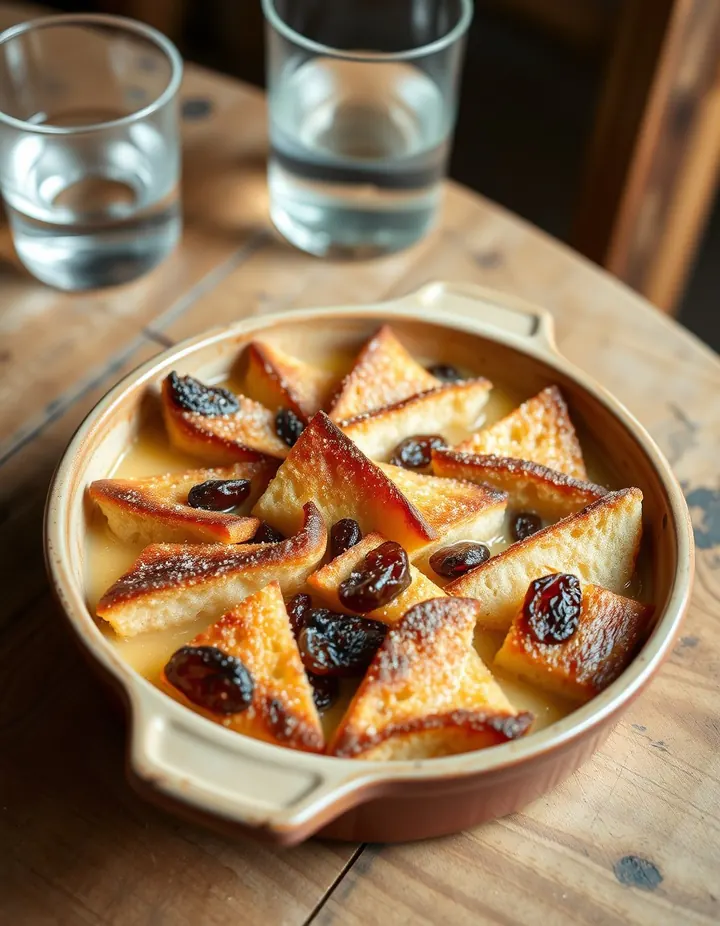 Bread Pudding153 recipes
 Lemon Ice147 recipes
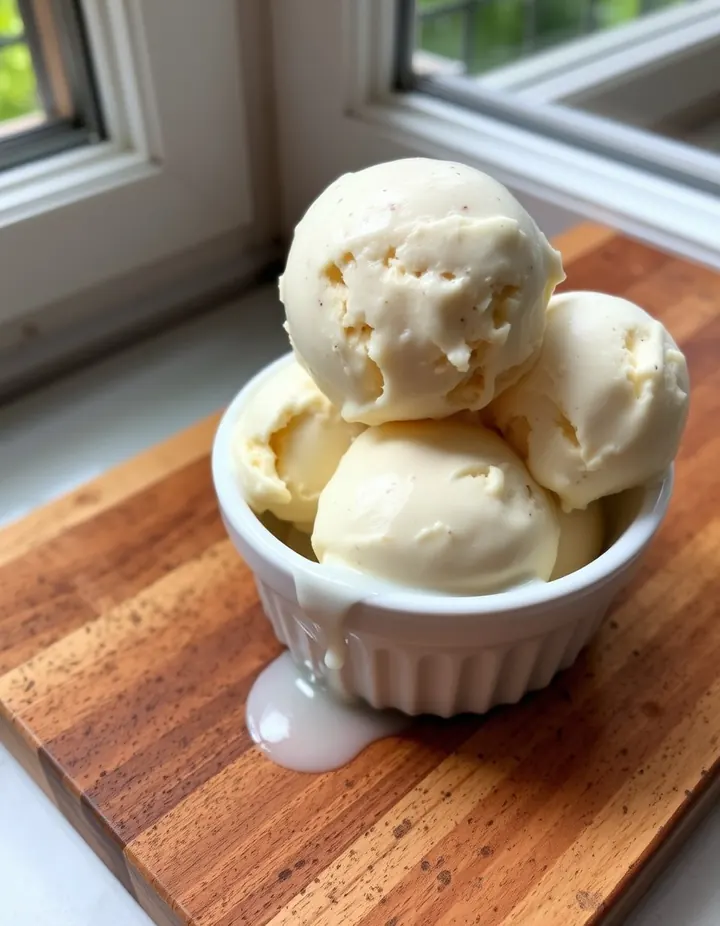 Vanilla Ice Cream108 recipes
The free Flavor Lab newsletter: one surprising pairing a week and the molecular reason it works, in 60 seconds. No spam, unsubscribe anytime.
Prefer an account? Create a free account to save pairings and unlock the full chemistry.