Why it works: Flour and buttermilk are a kitchen classic. They rank in the top 8% of all ingredient pairs, and cooks put them together in 3,721 recipes. Both carry ethanol, which smells alcoholic, ethereal. The science ↓
Breakfast and Tea Cakes
Ingredients
Directions
Mix and bake biscuits
Handle soda biscuits as little as possible, make rapidly, and put directly in the oven. Do the same with baking powder biscuits.
Mix soda and cream tartar or baking powder in the flour (use baking powder with sweet milk, soda with sour) so the effervescence takes place in the flour.
One teaspoonful of soda and two of cream tartar, or three teaspoonfuls baking powder to every three pints of flour, is a proper proportion.
Build the fire some time before biscuits are made to avoid burning.
Bake biscuits in eight minutes. Any bread or pastry mixed with water requires a hotter fire than that mixed with milk.
Allow biscuits and rolls to rise one-half longer than bread rolls. Prick all biscuits and bread except brown and Graham bread with a fork before putting them in the oven.
Waffles, muffins and leftovers
Heat waffle irons, butter or grease with lard, fill one side with batter, close and lay on fire or stove, turn after a few minutes and brown underside. Muffins are baked in muffin rings. Both muffins and waffles take about twice as long to bake as griddle cakes. When eating, do not cut but break open.
Plunge stale bread, biscuit, and cake in cold water briefly, then bake in oven ten or fifteen minutes; eat immediately. Crackers, if put in oven dry, will taste fresh.
Make baking powder at home by mixing eight ounces flour, eight ounces soda, five ounces tartaric acid, and sieve.
Buttermilk biscuits
To one quart of rich buttermilk add two small teaspoons soda, one teaspoon salt, flour to make stiff dough; mix quickly and as little as possible; roll out and cut; bake quickly. If they are yellow, use less soda; if heavy, more.
Nutrition, whole recipe (rough)
What these numbers assume: 4 portions
| Ingredient | Portion assumed | kcal |
|---|---|---|
| Flour | 1 cup (125g) all-purpose | 455 |
| Milk | 1 cup (244ml) whole | 149 |
| Sugar | 1 tbsp (12.5g) granulated | 49 |
| Salt | 1 tsp (6g) | 0 |
One typical portion per ingredient; the recipe's quantities are not counted. A rough guide only, not for medical or dietary planning.
Transcribed from a scanned cookbook and modernised for today's kitchens. Where the book gave no heat or time, or said "a moderate oven", the temperatures and times here may be modern equivalents rather than the book's own figures. See the original page.
Explore the science
The flavor team
The pairs that carry this dish. Each one is judged two ways: how much their aromas overlap, and how often cooks already put them together.
-
Flour + buttermilktop 8% of all pairsSmell alikemoderateCooked together3,721 recipes
Shared aroma: ethanol (alcoholic, ethereal).
-
Flour + breadtop 25% of all pairsSmell alikelowCooked together10,383 recipes
Shared aroma: isobutyraldehyde (malty, green).
-
Buttermilk + breadtop 32% of all pairsSmell alikelowCooked together69 recipes
Shared aroma: 1-octen-3-ol (mushroom, earthy).
Flour and bread barely smell alike, yet cooks put them together in 10,383 recipes: they work on texture and structure more than aroma.
Ranks compare each pair with 20,000 random ingredient pairs on CompKitchen. How we score pairs
What each ingredient does
- Flour
- Forms the dough's structure, which sets as it bakes.
- Soda
- Reacts with acidic buttermilk or sour milk to release gas, so the biscuits rise.
- Baking powder
- Releases gas when moistened and heated, lifting the biscuits as they bake.
- Buttermilk
- Its acidity activates the soda, and it adds moisture and tenderness to the dough.
The step that matters
Mix the dough quickly and as little as possible. Overworking flour dough develops gluten, making biscuits tough. Light handling keeps them tender, and a quick oven makes the gas from the leavening lift them before the crust sets.
“What each ingredient does” and “The step that matters” were written by Claude from this recipe’s own method and reviewed in samples by CompKitchen.
You might also like
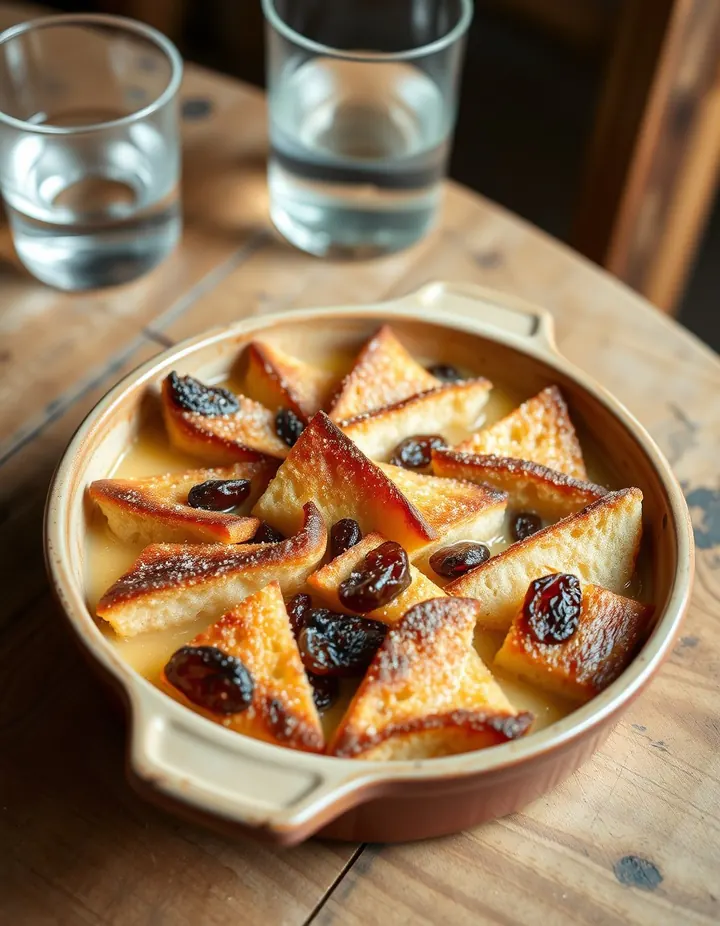 Bread Pudding153 recipes
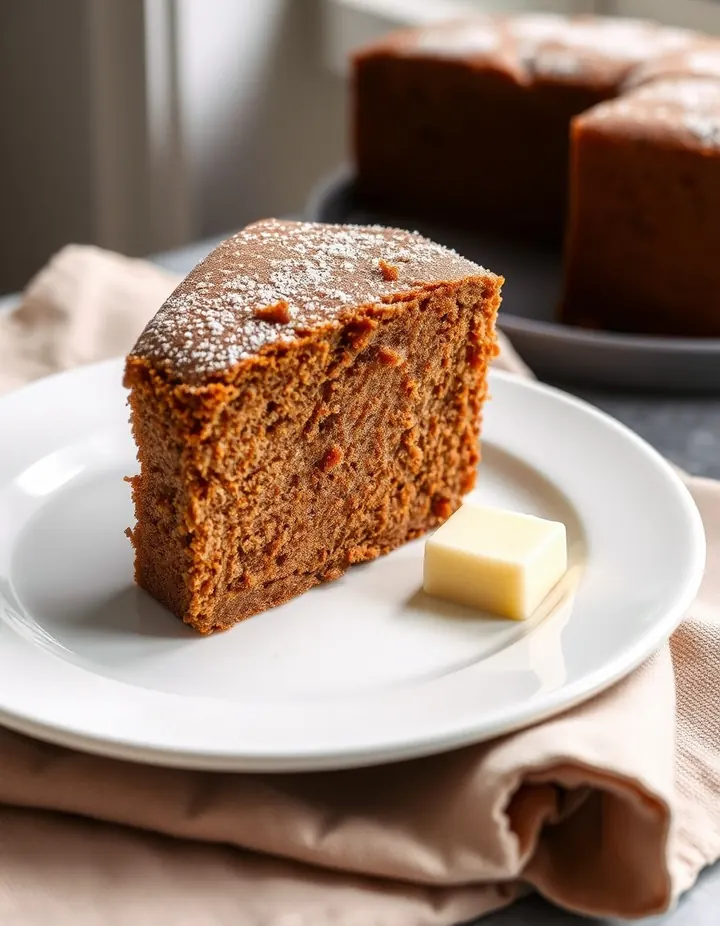 Soft Ginger Bread85 recipes
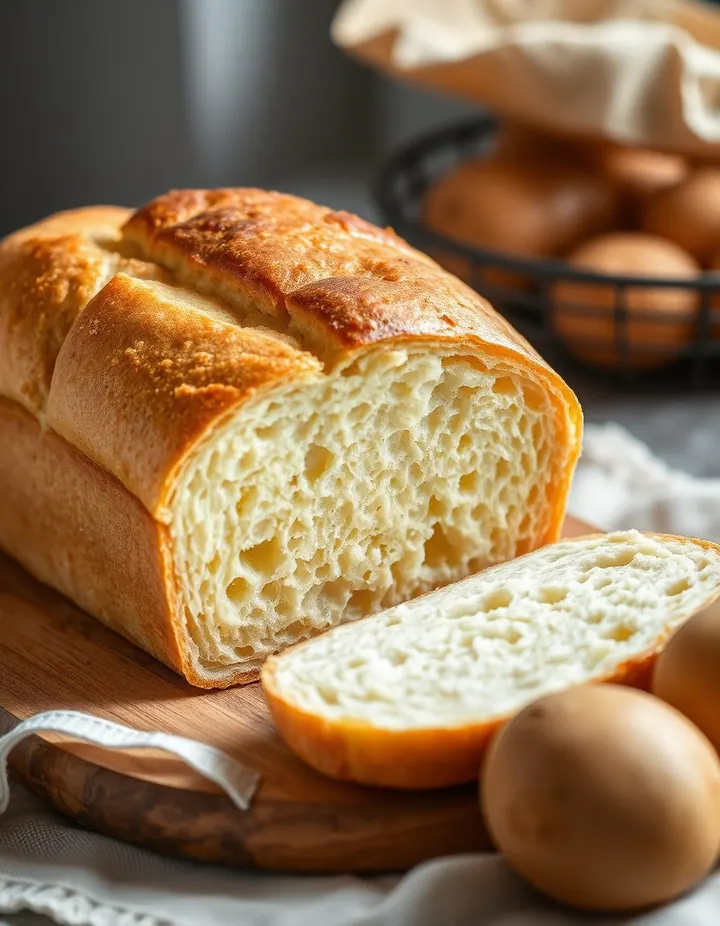 Orange Potato Bread80 recipes
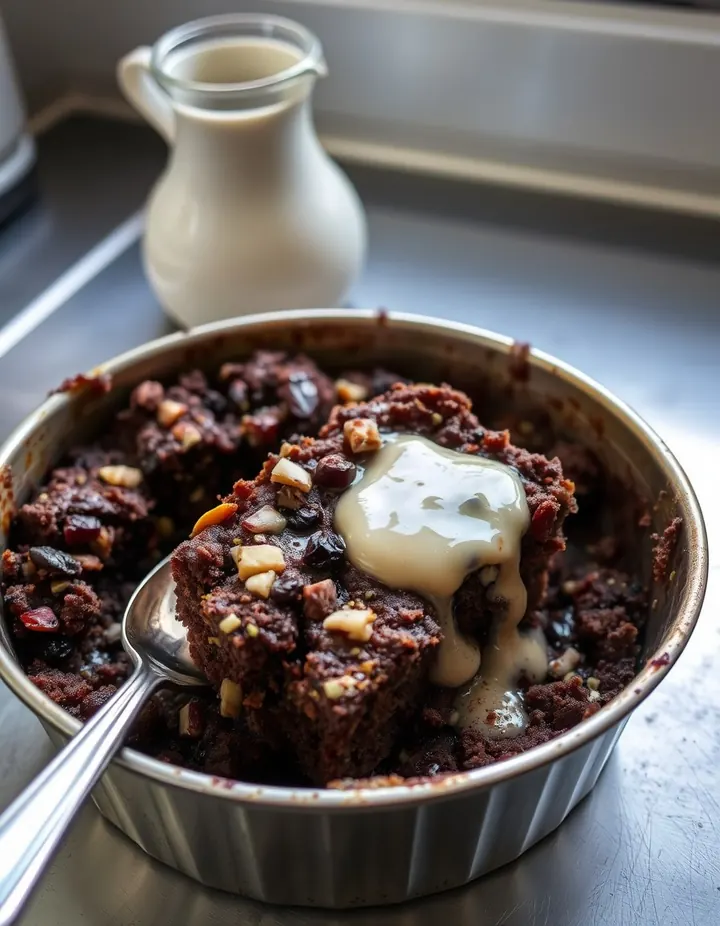 Brown Bread Pudding47 recipes
The free Flavor Lab newsletter: one surprising pairing a week and the molecular reason it works, in 60 seconds. No spam, unsubscribe anytime.
Prefer an account? Create a free account to save pairings and unlock the full chemistry.