Why it works: Butter and cream are a kitchen classic. They rank in the top 8% of all ingredient pairs, and cooks put them together in 41,516 recipes. Both carry delta-dodecalactone, which smells sweet, creamy. The science ↓
French Dishes
Ingredients
Directions
at a time, with your other ingredients. Pour your mixture into a cornucopia made of stiff paper, with a hole in the end, through which press it on a pan (on which you have spread a sheet of white paper), forming it into lady fingers, about five inches long and not quite an inch wide, sprinkle each with pow- dered sugar, and send them to a very gentle oven, watching them, so that they do not color too much. When they are firm, slip the blade of a knife under- neath them, so as to remove them from the pan, and serve.
569. Savoy Cake. Put the yolks of three eggs in a bowl, with four ounces of powdered sugar, beat them well until slightly consistent, and add to them an ounce and a half of flour, an ounce of corn starch, a few drops of extract of vanilla, and mix all well together. Beat up the whites of your eggs very stiff, and stir them lightly with your other ingredients. Butter a mold, which sprinkle with sugar, and into which pour your mixture. Send it to a gentle oven, and, when it is done (of which you may judge by slipping the point of a knife into it, and, if it comes out dry, your cake is sufficiently baked), turn it out of the mold, let it become cold, and serve.
570. Macaroons. Put half a pound of al- monds in boiling water, remove the skins, then put the almonds in cold water, which drain off, and put them in the oven to dry. Pound them to a paste, adding, by degrees, the white of an egg ; then add a pound and a half of powdered sugar, again pound well, adding, little by little, the whites of two eggs.
DESSERTS AND CAKES. 197
Spread on a pan a sheet of white paper, form your mixture in little rounds, somewhat smaller than a twenty-five cent piece, place them on top of the paper in your pan, each about an inch and a half apart from the other. Send them to a gentle oven for about twelve minutes, the door of the oven shut, and, at the end of that time, if they are well colored, remove them from the oven, let them become cold, turn the paper upside down, moisten it with a little water underneath, and remove the macaroons.
571. Tea Cakes. Put on a table a pound of flour, which you have previously sifted, make a hole in the middle, in which place half a pound of butter, six ounces of powdered sugar, a pinch of ginger, and four eggs. Mix all well together, and roll out your paste extremely thin, cut it out in rounds or squares, which put on a pan, which you have buttered lightly, brush your cakes with beaten egg, sprinkle them on top with half a pound of currants. Send them to the oven, and, when colored a bright yellow, remove them, and serve when needed.
572. Chocolate Cakes. Make the same mixt- ure as for Savoy cake (Art. 569), put it in a cornu- copia made of stiff paper, with a hole in the end, through which press it on a pan (on which you have spread a sheet of white paper), and form it into small rounds about the size of a fifty-cent piece. Send them to a gentle oven until they are quite firm, then let them become cold, and cut them all the same size with a small round cutter. Spread a layer of peach or other marmalade on the half of your cakes,
I98 FRENCH DISHES.
which cover with the other half. Melt about two ounces of chocolate in about two tablespoonfuls of water. Put in a saucepan on the fire half a pound of sugar, with half a glass of water, boil for about eight to ten minutes, lift out some of the sugar with a spoon, drop it into cold water, place it between the thumb and third finger, and, if you may draw the sugar out into a long fine thread without breaking, you have reached the desired result. Then put your chocolate in a bowl, add your sugar, stirring until beginning to thicken. Take as many little wooden skewers as you have cakes, sharpen them to a fine point, stick one into each cake, which dip into your chocolate and sugar, covering it entirely. Put a col- ander upside down on a table, and in the holes place the ends of your sticks, thereby allowing the cakes on the opposite end to dry, after which remove your cakes from the sticks, and serve when needed.
573. Angel Cake. Beat the whites of eleven eggs very stiff. Mix with half a pound of sifted flour, half a pound of sugar, and a teaspoonful of cream of tartar. Flavor with extract of almond or extract of pineapple. Then mix all together with the whites of eggs, and bake in a moderate oven for about forty minutes, or until thoroughly done, of which you may judge by passing the point of a knife into your cake, and, if it comes out dry, it is suffi- ciently done. Do not butter the pan for this cake.
574. Pound Cake. Put in a bowl half a pound of butter, which you have put in rather a warm place, so as to be a little soft. Add two eggs, which beat
Nutrition, whole recipe (rough)
Counts 8 of 10 ingredients. The other 2 aren't in our nutrition table and add nothing above, so the real totals are higher.
What these numbers assume: 8 portions
| Ingredient | Portion assumed | kcal |
|---|---|---|
| Flour | 1 cup (125g) all-purpose | 455 |
| Chocolate | 1 oz (28g) semisweet | 155 |
| Butter | 1 tbsp (14g) | 102 |
| Egg | 1 large egg (50g) | 78 |
| Grape | 1/2 cup (76g) | 62 |
| Cream | 1 tbsp (15ml) heavy | 51 |
| Sugar | 1 tbsp (12.5g) granulated | 49 |
| Ginger | 1 tsp grated fresh (2g) | 2 |
| Water | not in our table | 0 |
| Cake | not in our table | 0 |
One typical portion per ingredient; the recipe's quantities are not counted. A rough guide only, not for medical or dietary planning.
Transcribed from a scanned cookbook and modernised for today's kitchens. Where the book gave no heat or time, or said "a moderate oven", the temperatures and times here may be modern equivalents rather than the book's own figures. See the original page.
Explore the science
The flavor team
The pairs that carry this dish. Each one is judged two ways: how much their aromas overlap, and how often cooks already put them together.
-
Butter + creamtop 8% of all pairsSmell alikemoderateCooked together41,516 recipes
Shared aroma: delta-dodecalactone (sweet, creamy).
-
Sugar + creamtop 9% of all pairsSmell alikemoderateCooked together43,450 recipes
Shared aroma: 2,3-butanedione (butter, sweet).
-
Corn + gingertop 11% of all pairsSmell alikemoderateCooked together412 recipes
Shared aroma: (e)-2-octenal (fatty, green).
-
Chocolate + creamtop 11% of all pairsSmell alikemoderateCooked together5,466 recipes
Shared aroma: delta-decalactone (sweet, creamy).
-
Flour + buttertop 12% of all pairsSmell alikelowCooked together124,287 recipes
Shared aroma: isobutyraldehyde (malty, green).
Flour and butter barely smell alike, yet cooks put them together in 124,287 recipes: they work on texture and structure more than aroma.
Ranks compare each pair with 20,000 random ingredient pairs on CompKitchen. How we score pairs
Swap the currant
How well each one fits the dish's main ingredients (sugar, chocolate, corn, flour, butter, ginger, cream):
- Vanillafits better
- Coconutfits better
- Raisinfits better
- Currantthe original
Fit is the average pairing score against sugar, chocolate, corn, flour, butter, ginger, cream. Candidates are from the same food group and used in at least 100 recipes.
You might also like
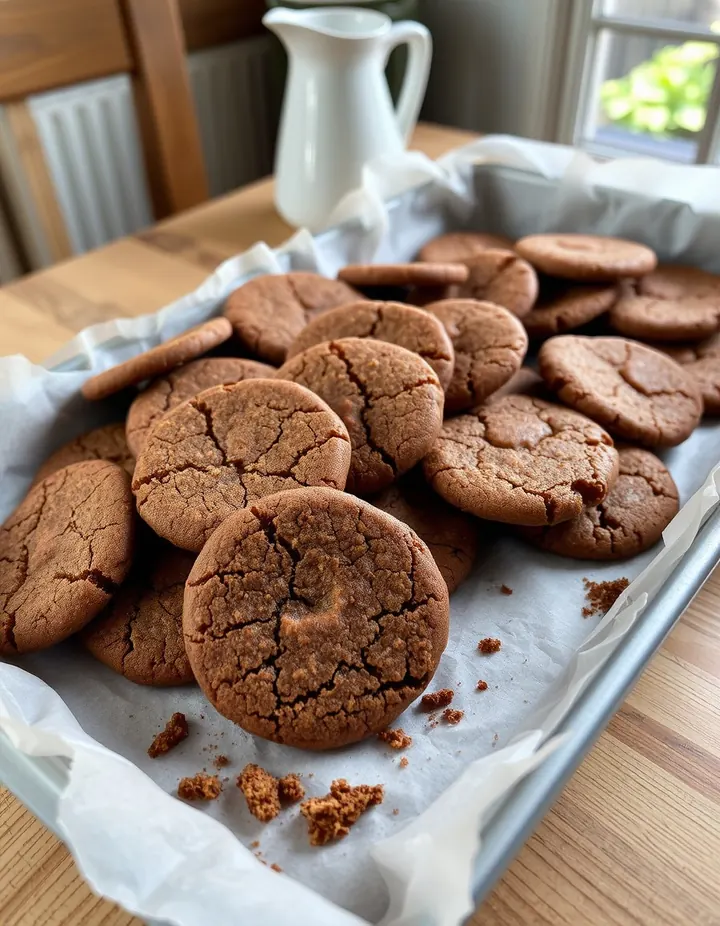 Ginger Cookies213 recipes
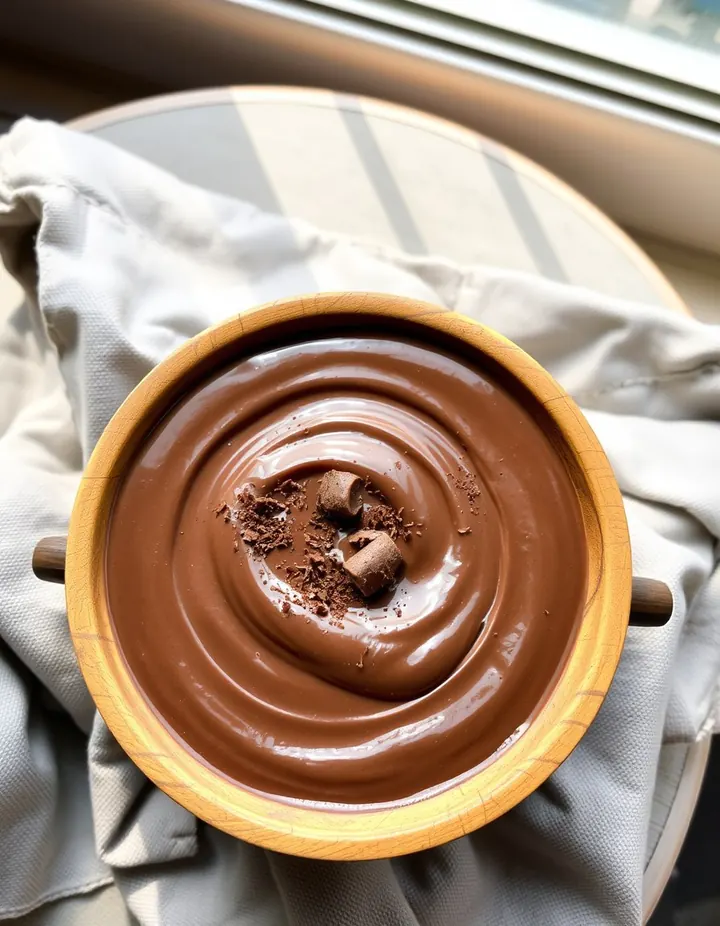 Chocolate Cream171 recipes
 Ginger Cake93 recipes
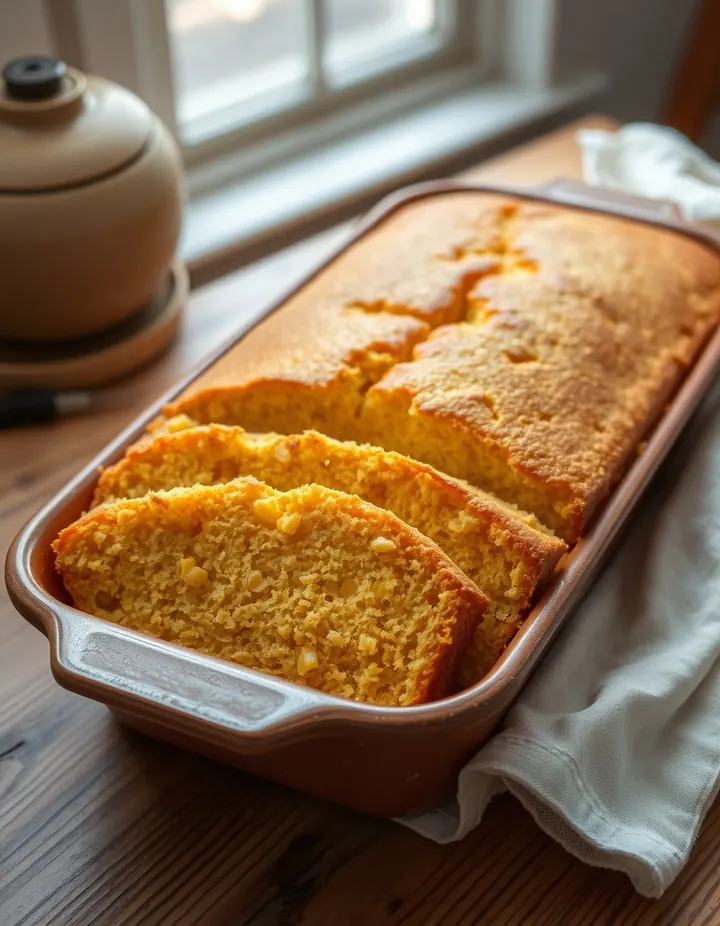 Corn Cake90 recipes
The free Flavor Lab newsletter: one surprising pairing a week and the molecular reason it works, in 60 seconds. No spam, unsubscribe anytime.
Prefer an account? Create a free account to save pairings and unlock the full chemistry.