Why it works: Asparagus and ham match in chemistry and in kitchens. They rank in the top 9% of all ingredient pairs, and 100 recipes mention both. Both carry 2-octenal, which smells fatty, green. The science ↓
The recipe
Ingredients
Contains: egg, milk, wheat (auto-detected from the ingredients and method; we can miss things, so check labels)
Also mentioned in the method: milk, butter
Directions
Prepare the batter
Cut up the nice green tender parts of asparagus, about the size of peas.
Put them into a basin with the eggs, which should be well beaten, and the flour, ham, butter, pepper, and salt.
Mix all these ingredients well together, and moisten with sufficient milk to make the pudding of the consistency of thick batter.
Boil and serve
Put the mixture into a pint buttered mould.
Tie it down tightly with a floured cloth.
Place it in boiling water.
Let it boil for 2 hours.
Turn it out of the mould onto a hot dish.
Pour plain melted butter round, but not over, the pudding.
Transcribed from a scanned cookbook and modernised for today's kitchens. Where the book gave no heat or time, or said "a moderate oven", the temperatures and times here may be modern equivalents rather than the book's own figures. See the original page.
Explore the science
The flavor team
The pairs that carry this dish. Each one is judged two ways: how much aroma chemistry they share, and how many recipes mention both.
-
Asparagus + hamtop 9% of all pairsAroma overlapstrongMentioned together100 recipes
Shared aroma: 2-octenal (fatty, green).
-
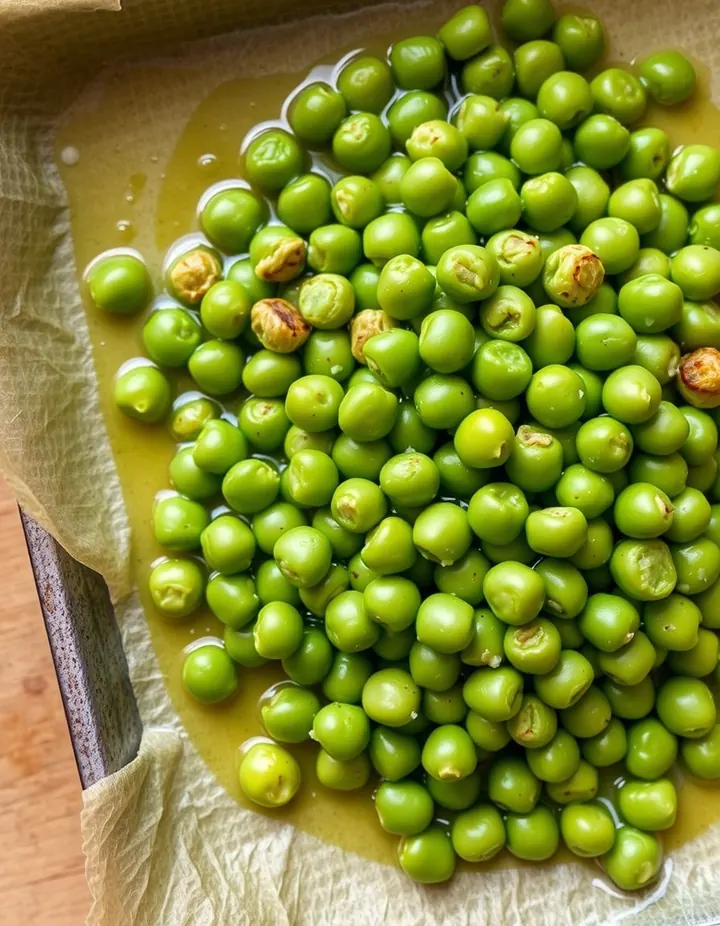
Asparagus + peastop 2% of all pairsAroma overlapstrongMentioned together807 recipes
Shared aroma: 2-isopropyl-3-methoxypyrazine (earthy, pea).
-
Asparagus + peppertop 6% of all pairsAroma overlapstrongMentioned together1,968 recipes
Shared aroma: 2-isopropyl-3-methoxypyrazine (earthy, pea).
-
Asparagus + eggtop 7% of all pairsAroma overlapstrongMentioned together1,290 recipes
Shared aroma: 2-nonenal (fatty, green).
-
Ham + eggtop 8% of all pairsAroma overlapstrongMentioned together4,516 recipes
Shared aroma: 2-octenal (fatty, green).
Ranks compare each pair with 20,000 random ingredient pairs on CompKitchen. How we score pairs
What each ingredient does
- Asparagus
- Provides the main flavour and tender green texture of the pudding.
- Eggs
- Bind the mixture and set when cooked, giving the pudding its firm structure.
- Flour
- Thickens the batter and helps hold the pudding together as it cooks.
- Ham
- Adds savoury, salty flavour throughout the pudding.
- Milk (in the method)
- Moistens the mixture to a thick batter consistency, adding softness to the set pudding.
The step that matters
Tie the cloth down tightly over the mould. A loose cloth lets boiling water seep into the mould and dilute the batter, and the pudding can come out soggy or misshapen. A floured cloth also helps keep the surface from sticking.
Flavor stand-ins for the peas
How well each one fits the dish's main ingredients (asparagus, flour, ham, egg, pepper):
- Peasthe original
- Beansabout as good a flavor fit
Fit is the average pairing score against asparagus, flour, ham, egg, pepper. Candidates are from the same food group and used in at least 100 recipes. This compares flavor only: it does not check the job the ingredient does in the dish (bulk, moisture, acidity, structure).
“What each ingredient does” and “The step that matters” were written by Claude from this recipe’s own method and reviewed in samples by CompKitchen.
You might also like
 Illustration
 Illustration
 Illustration
 Illustration
The Sunday pairing: one pairing, the chemistry behind it, and how to cook it. No spam, unsubscribe anytime.
Prefer an account? Create a free account for sign-in; Pro adds the full results and chemistry.