Why it works: Cinnamon and clove match in chemistry and in kitchens. They rank in the top 1% of all ingredient pairs, and cooks put them together in 14,189 recipes. Both carry ethyl cinnamate, which smells sweet, balsamic. The science ↓
English Fruit Cake
Ingredients
Directions
Prepare the fruit and flour
Dry, sift, and weigh the flour.
Wash the currants until free from grit; lift them from the water and dry carefully in the oven.
Seed the raisins, cover with just enough water, and boil until dry without scorching; cool.
Dredge a handful of the weighed flour over the raisins and currants.
Make the batter
Cream the butter and sugar together; add the yolks of the eggs and then the spices.
Beat the egg whites to a foam; alternate adding flour and egg whites until fully combined.
Mix in the wine and brandy thoroughly, then add the fruit in layers.
Bake and keep
Bake in a large 8-quart pan lined with buttered paper for 4 hours.
Start with a steady fire, heating through the first hour; then stir the fire a little.
Cover the cake with paper and bake steadily for 2 hours; during the last hour, bake very slowly.
Prepare everything the day before and cut with a very sharp knife.
The cake is best a week or two old.
Transcribed from a scanned cookbook and modernised for today's kitchens. Where the book gave no heat or time, or said "a moderate oven", the temperatures and times here may be modern equivalents rather than the book's own figures.
Explore the science
The flavor team
The pairs that carry this dish. Each one is judged two ways: how much their aromas overlap, and how often cooks already put them together.
-
Cinnamon + clovetop 1% of all pairsSmell alikestrongCooked together14,189 recipes
Shared aroma: ethyl cinnamate (sweet, balsamic).
-
Flour + raisintop 1% of all pairsSmell alikestrongCooked together9,075 recipes
Shared aroma: isobutyraldehyde (malty, green).
-
Raisin + cinnamontop 1% of all pairsSmell alikemoderateCooked together5,390 recipes
Shared aroma: 1-octen-3-ol (mushroom, earthy).
-
Flour + cinnamontop 9% of all pairsSmell alikemoderateCooked together17,341 recipes
Shared aroma: isobutyraldehyde (malty, green).
-
Raisin + clovetop 9% of all pairsSmell alikemoderateCooked together4,070 recipes
Shared aroma: ethyl caproate (fruity, apple peel).
Ranks compare each pair with 20,000 random ingredient pairs on CompKitchen. How we score pairs
What each ingredient does
- Butter
- Creams with sugar to form a structure that traps air and gives a tender crumb.
- Eggs
- Yolks enrich and bind the batter, while whipped whites lighten it and help it rise.
- Flour
- Provides the structure that holds the cake together as it sets in the oven.
- Raisins
- Add moisture and concentrated sweetness throughout the cake.
- Currants
- Add moisture and tart fruit flavour distributed through the cake.
- Powdered white sugar
- Sweetens the batter and, creamed with butter, helps trap air for a lighter texture.
The step that matters
Baking the long, slow bake. The cake is dense and heavily fruited, so it needs a steady, gentle heat for hours. A fire that runs too hot can scorch the outside before the centre sets, and the slow final hour helps it finish cooking evenly.
Swap the currant
How well each one fits the dish's main ingredients (sugar, butter, flour, egg, raisin, cinnamon, clove):
- Vanillafits better
- Figfits better
- Quincefits better
- Currantthe original
Fit is the average pairing score against sugar, butter, flour, egg, raisin, cinnamon, clove. Candidates are from the same food group and used in at least 100 recipes.
“What each ingredient does” and “The step that matters” were written by Claude from this recipe’s own method and reviewed in samples by CompKitchen.
You might also like
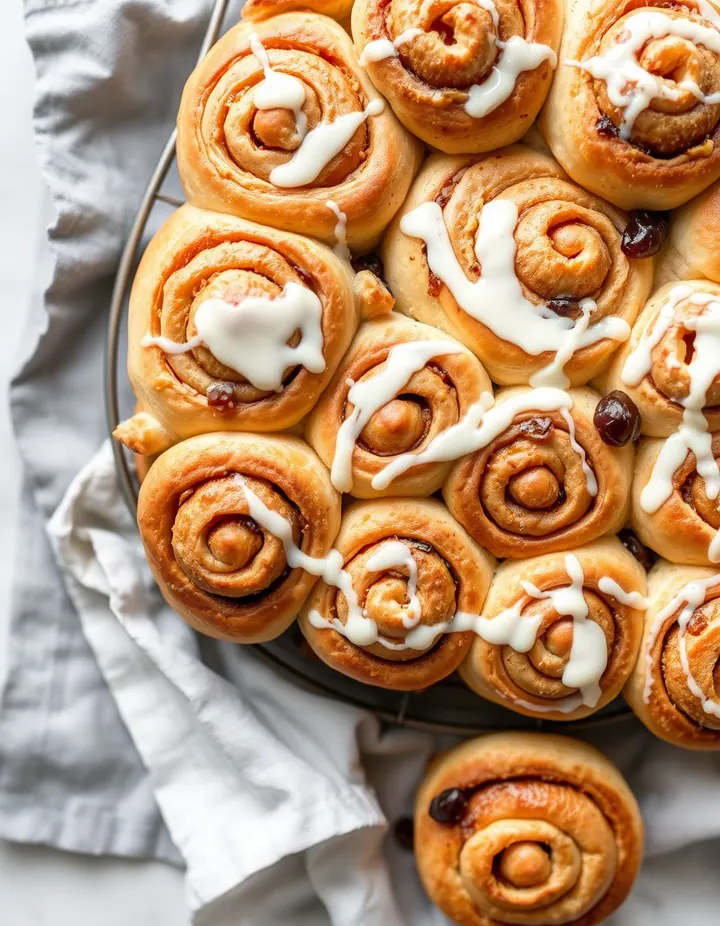 Cinnamon Rolls71 recipes
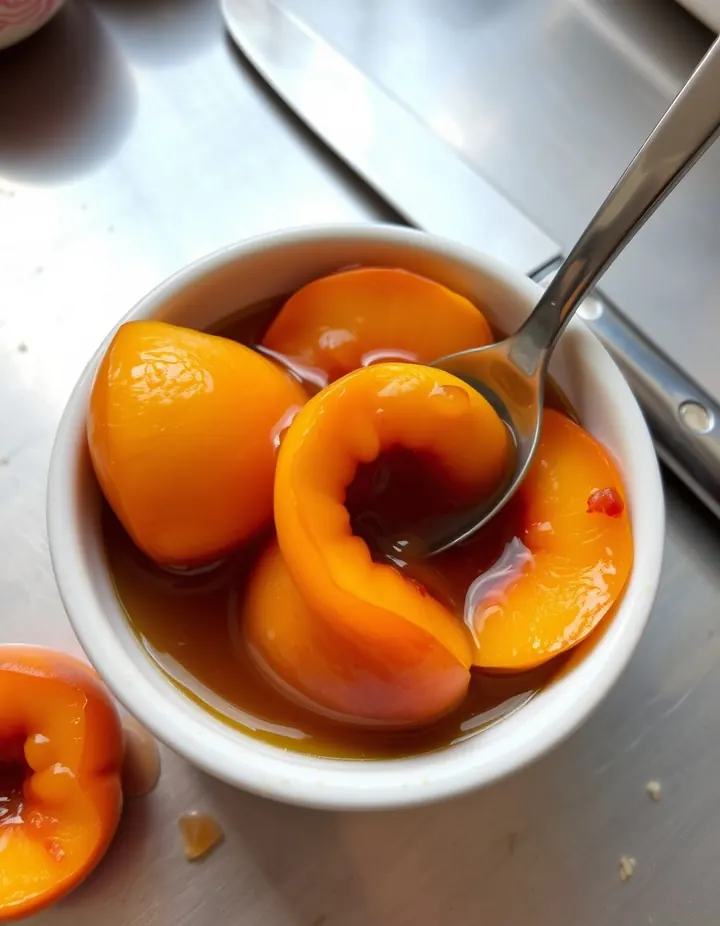 Brandy Peaches68 recipes
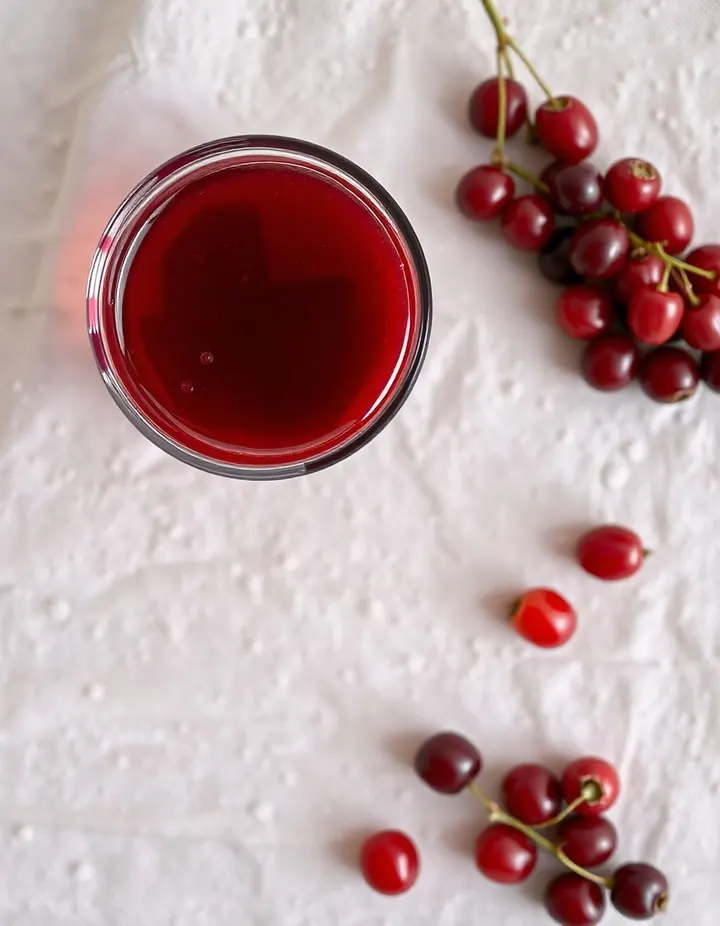 Red Currant Jelly65 recipes
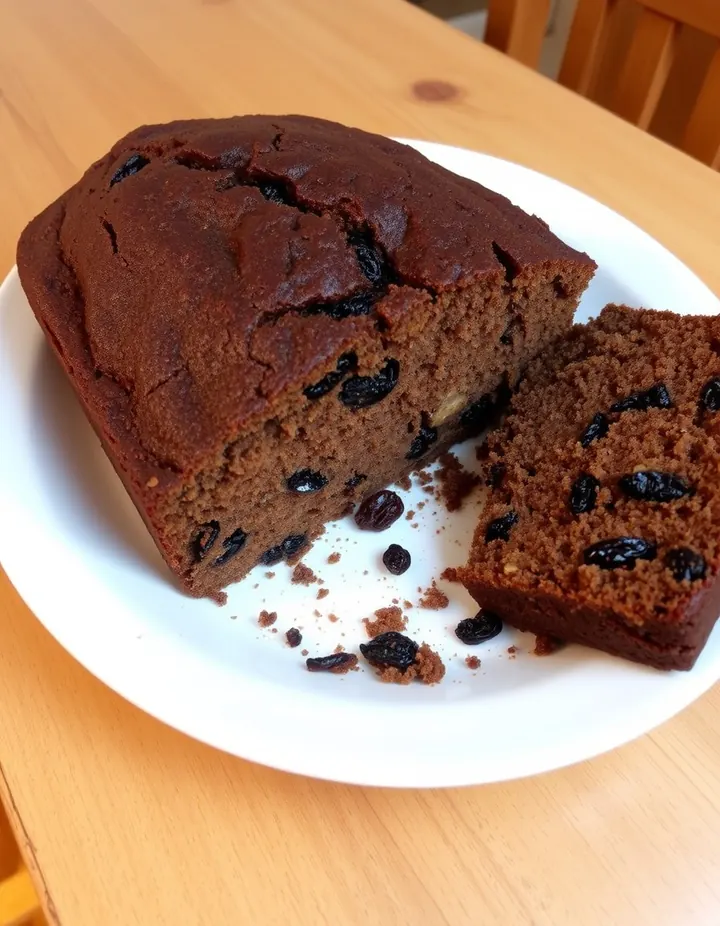 Clove Cake53 recipes
The free Flavor Lab newsletter: one surprising pairing a week and the molecular reason it works, in 60 seconds. No spam, unsubscribe anytime.
Prefer an account? Create a free account to save pairings and unlock the full chemistry.