Why it works: Raisin and flour match in chemistry and in kitchens. They rank in the top 1% of all ingredient pairs, and cooks put them together in 9,075 recipes. Both carry isobutyraldehyde, which smells malty, green. The science ↓
English Plum Pudding
Ingredients
Directions
Make the batter
In a large bowl, combine the raisins, seedless raisins, currants, flour, bread crumbs, candied citron, salt, and mixed spice.
Add the beaten eggs and enough new milk to create a stiff batter, mixing until thoroughly incorporated.
Cloth and boil
Prepare a strong pudding cloth by rubbing the outside with butter to prevent sticking.
Fill the cloth with the batter, leaving room for expansion, and tie it tightly with stout twine.
Place a plate in the bottom of a kettle to avoid burning, and boil the pudding for at least 7 hours.
Serve
Serve the pudding in a large dish, heated with spirit poured over it, and light it with writing paper.
Decorate with 3 or 4 sprigs of holly with berries.
Serve last at dinner with lights lowered until cut.
Transcribed from a scanned cookbook and modernised for today's kitchens. Where the book gave no heat or time, or said "a moderate oven", the temperatures and times here may be modern equivalents rather than the book's own figures.
Explore the science
The flavor team
The pairs that carry this dish. Each one is judged two ways: how much their aromas overlap, and how often cooks already put them together.
-
Raisin + flourtop 1% of all pairsSmell alikestrongCooked together9,075 recipes
Shared aroma: isobutyraldehyde (malty, green).
-
Raisin + curranttop 10% of all pairsSmell alikelowCooked together6,180 recipes
Shared aroma: gamma-nonanolactone (coconut, creamy).
-
Bread + milktop 11% of all pairsSmell alikemoderateCooked together11,466 recipes
Shared aroma: 2-undecenal (sweet).
-
Bread + eggtop 13% of all pairsSmell alikemoderateCooked together22,662 recipes
Shared aroma: (e)-2-octenal (fatty, green).
-
Flour + milktop 14% of all pairsSmell alikelowCooked together78,219 recipes
Shared aroma: isobutyraldehyde (malty, green).
Flour and milk barely smell alike, yet cooks put them together in 78,219 recipes: they work on texture and structure more than aroma.
Ranks compare each pair with 20,000 random ingredient pairs on CompKitchen. How we score pairs
What each ingredient does
- Eggs
- Bind the batter and add structure and richness as they set during boiling.
- Flour
- Provides the starch that gives the pudding its body and firm, sliceable texture.
- Bread crumbs
- Absorb moisture and lighten the batter, giving a softer, tender crumb.
- Raisins
- Add sweetness, moisture and chewy texture throughout the pudding.
- Currants
- Add concentrated sweetness, moisture and tart fruit flavour throughout the pudding.
The step that matters
Boiling the pudding for at least 7 hours. Long, steady boiling cooks the dense batter through and sets it firmly. Keeping the water at a steady simmer and not letting the cloth run dry prevents an undercooked or uneven pudding.
Swap the currant
How well each one fits the dish's main ingredients (raisin, flour, bread, egg, milk):
- Vanillafits better
- Figfits better
- Datesfits better
- Currantthe original
Fit is the average pairing score against raisin, flour, bread, egg, milk. Candidates are from the same food group and used in at least 100 recipes.
“What each ingredient does” and “The step that matters” were written by Claude from this recipe’s own method and reviewed in samples by CompKitchen.
You might also like
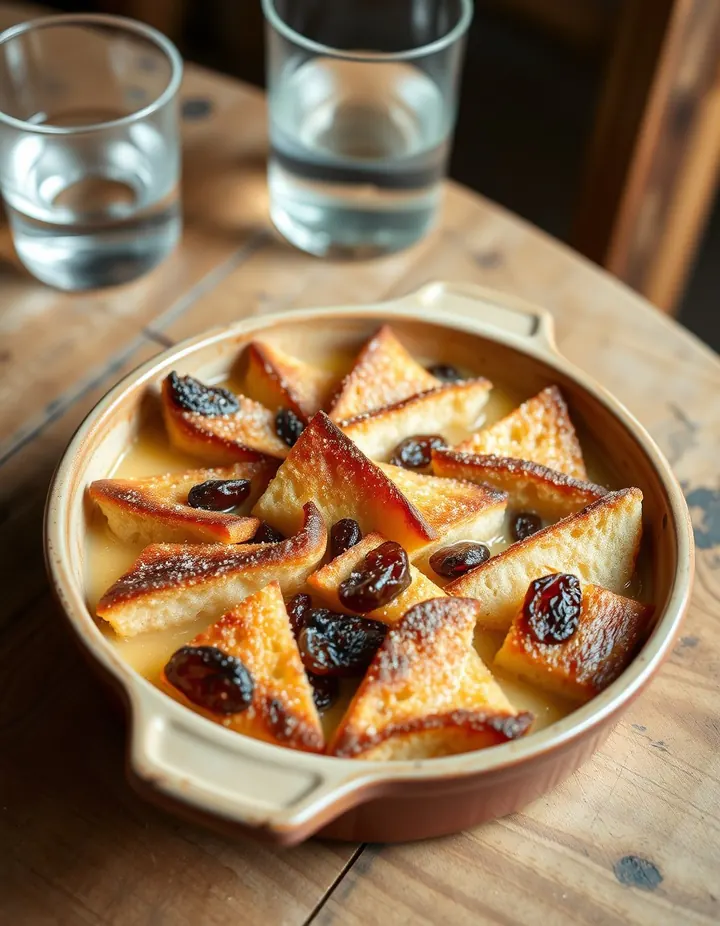 Bread Pudding153 recipes
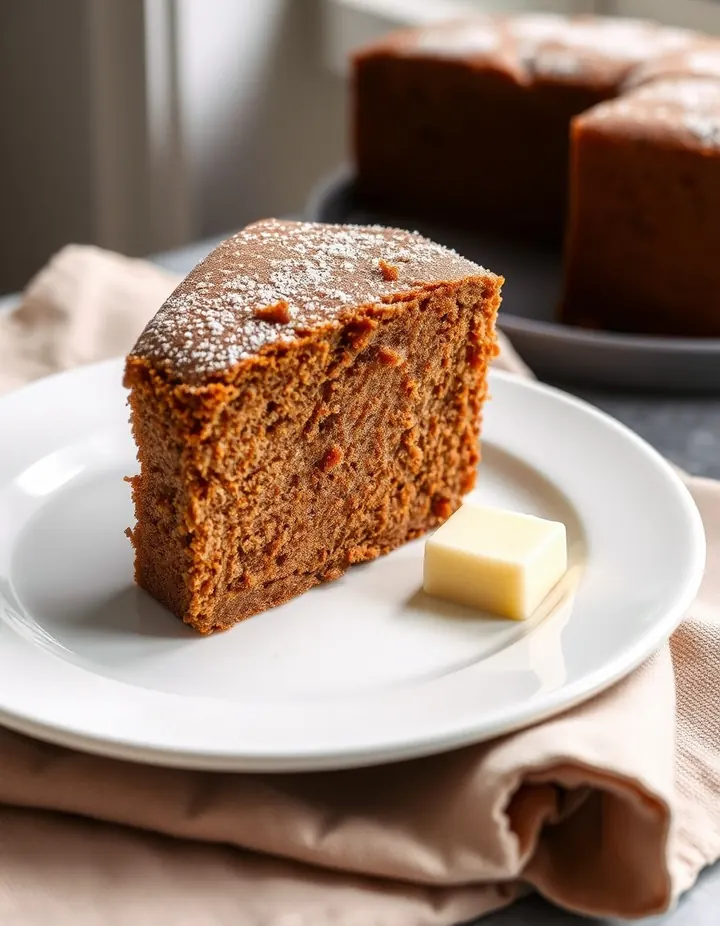 Soft Ginger Bread85 recipes
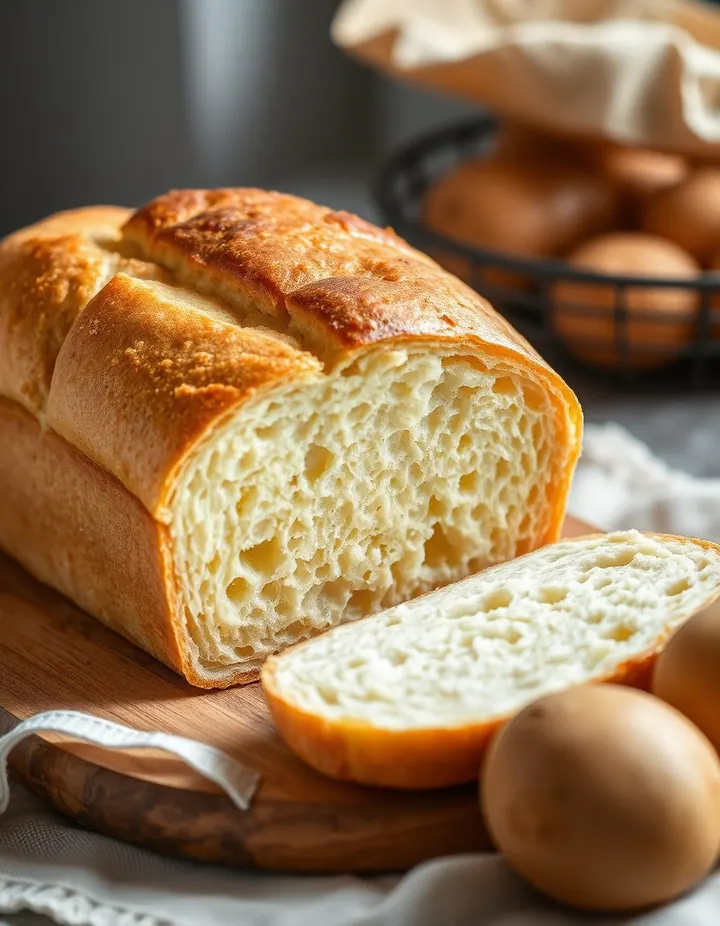 Orange Potato Bread80 recipes
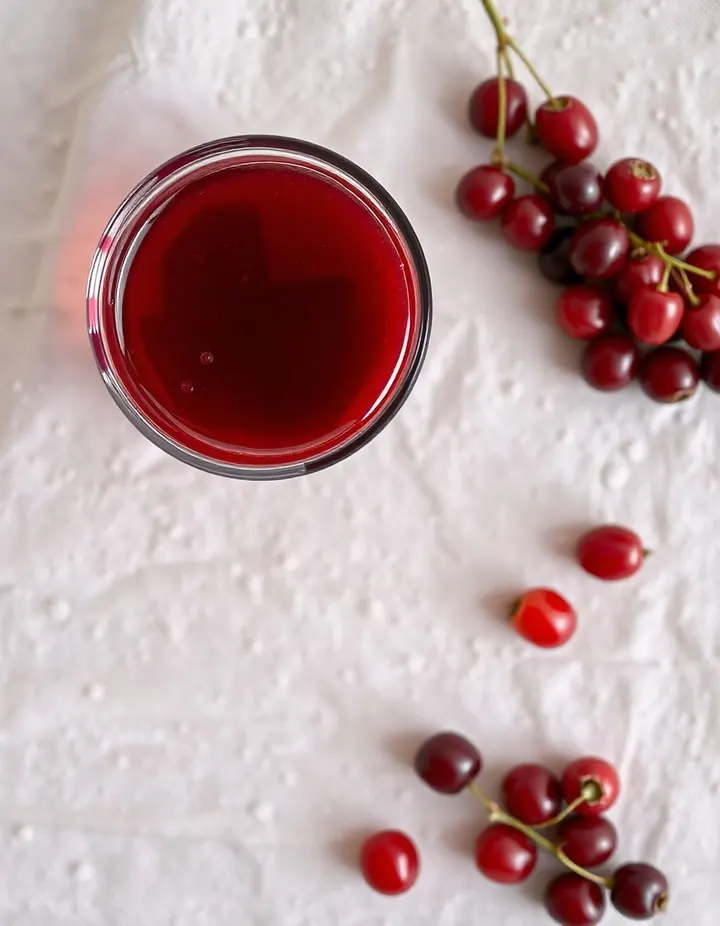 Red Currant Jelly65 recipes
The free Flavor Lab newsletter: one surprising pairing a week and the molecular reason it works, in 60 seconds. No spam, unsubscribe anytime.
Prefer an account? Create a free account to save pairings and unlock the full chemistry.