Why it works: Butter and bread are a kitchen classic. They rank in the top 7% of all ingredient pairs, and cooks put them together in 27,232 recipes. Both carry delta-decalactone, which smells sweet, creamy. The science ↓
Rice Pudding with Fruit
Ingredients
Directions
The book says “a moderate oven”. The 350°F (175°C) in the steps is the modern equivalent, not the book's own figure.
Prepare the rice
Soak the rice overnight or for 5 hours in warm water.
Boil the rice in 1 pint of milk until tender, simmering gently without stirring. Set the saucepan in hot water to avoid burning.
Shake the rice occasionally while it simmers.
Once done, beat in the butter.
Layer the pudding
Butter a mold. Cover the bottom of the mold with bread crumbs.
Layer the rice on top. Wet the rice with a custard made from the remaining pint of milk, egg yolks, and sugar.
Sprinkle suet over the rice. Add a layer of mixed fruit.
Repeat layering with bread crumbs, rice, custard, suet, and fruit until nearly full. Finish with a top layer of bread crumbs.
Bake and serve
Bake in a 350°F (175°C) oven for 1 hour. When nearly done, cover with a meringue made from whisked egg whites and a little powdered sugar.
Serve warm with sweetened cream or cold with cream.
Transcribed from a scanned cookbook and modernised for today's kitchens. Where the book gave no heat or time, or said "a moderate oven", the temperatures and times here may be modern equivalents rather than the book's own figures.
Explore the science
The flavor team
The pairs that carry this dish. Each one is judged two ways: how much their aromas overlap, and how often cooks already put them together.
-
Butter + breadtop 7% of all pairsSmell alikemoderateCooked together27,232 recipes
Shared aroma: delta-decalactone (sweet, creamy).
-
Milk + buttertop 7% of all pairsSmell alikemoderateCooked together81,283 recipes
Shared aroma: (z)-4-heptenal (biscuit, cream).
-
Milk + ricetop 7% of all pairsSmell alikemoderateCooked together7,374 recipes
Shared aroma: 2-nonenal (fatty, green).
-
Raisin + curranttop 10% of all pairsSmell alikelowCooked together6,180 recipes
Shared aroma: gamma-nonanolactone (coconut, creamy).
-
Milk + breadtop 11% of all pairsSmell alikemoderateCooked together11,466 recipes
Shared aroma: 2-undecenal (sweet).
Ranks compare each pair with 20,000 random ingredient pairs on CompKitchen. How we score pairs
What each ingredient does
- Rice
- Swells as it simmers in milk, forming the tender, creamy body of the pudding.
- Eggs
- Egg yolks in the custard set on baking, binding the layers; whites make the meringue topping.
- Milk
- Cooks the rice to tenderness and, as custard, moistens the layers and sets into a creamy texture.
- Sugar
- Adds sweetness and helps the custard and meringue brown lightly in the oven.
- Bread crumbs
- Absorb custard and butter between layers, adding structure so the pudding holds its shape when turned out.
- Raisins
- Add moisture and concentrated sweetness to the fruit layers as they plump during baking.
The step that matters
Simmer the rice gently without stirring. Rice cooked in milk can scorch on the bottom and stick, so a gentle simmer over hot water, without stirring that breaks the grains, keeps it tender and evenly cooked before layering.
Swap the currant
How well each one fits the dish's main ingredients (milk, rice, egg, butter, sugar, bread, raisin):
- Vanillafits better
- Figfits better
- Coconutfits better
- Currantthe original
Fit is the average pairing score against milk, rice, egg, butter, sugar, bread, raisin. Candidates are from the same food group and used in at least 100 recipes.
“What each ingredient does” and “The step that matters” were written by Claude from this recipe’s own method and reviewed in samples by CompKitchen.
You might also like
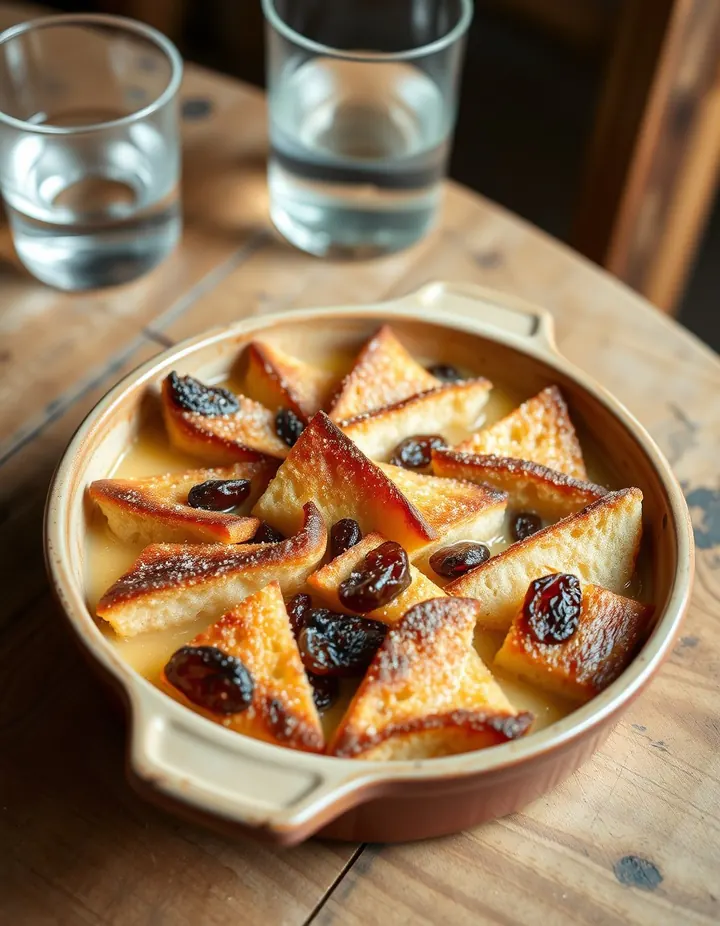 Bread Pudding153 recipes
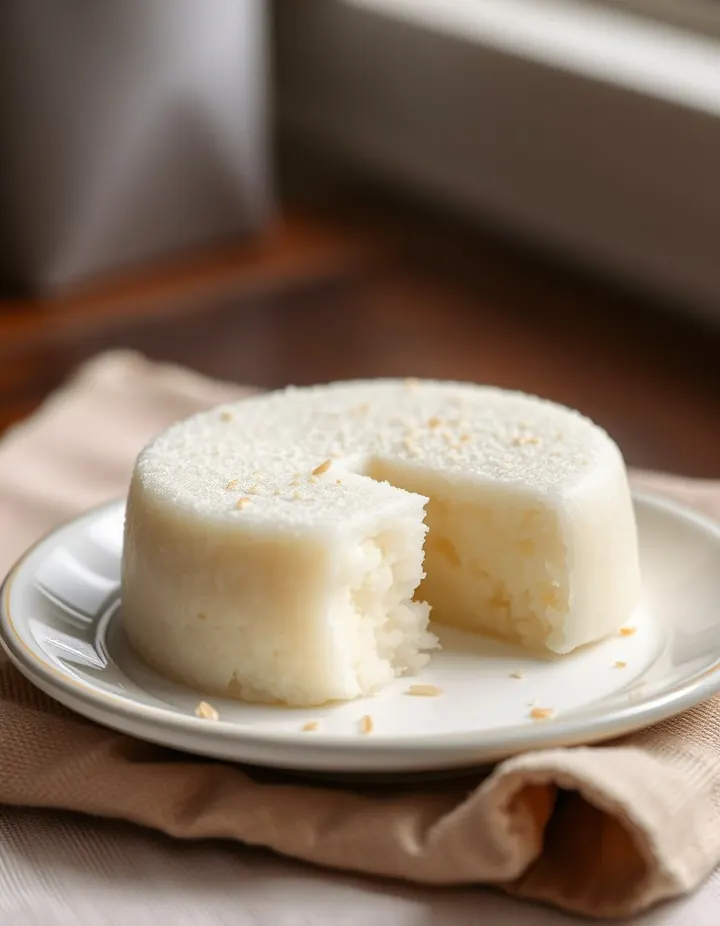 Rice Cake120 recipes
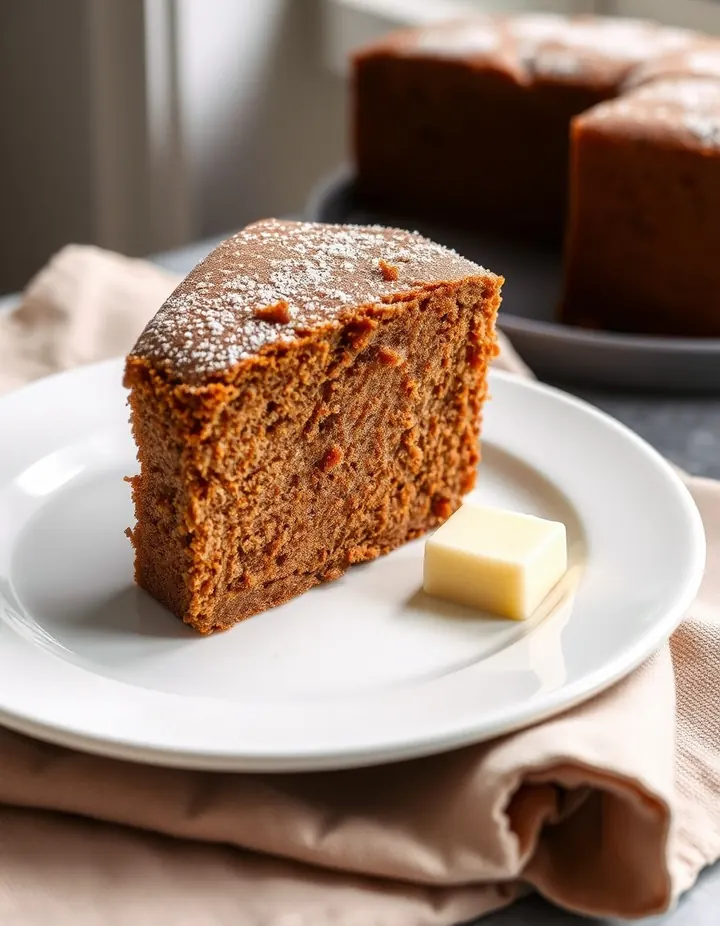 Soft Ginger Bread85 recipes
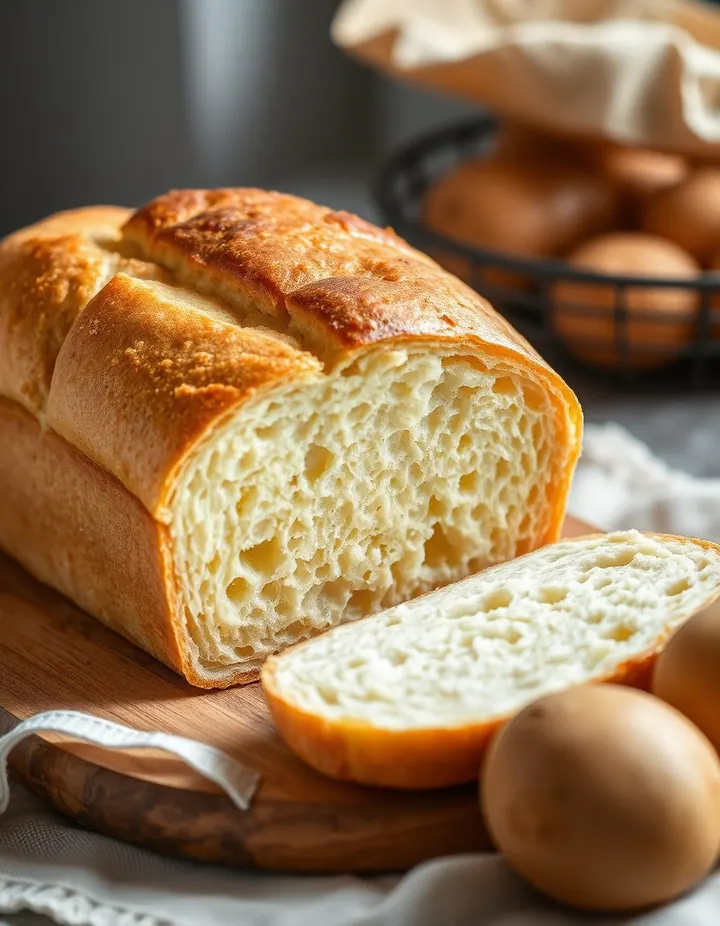 Orange Potato Bread80 recipes
The free Flavor Lab newsletter: one surprising pairing a week and the molecular reason it works, in 60 seconds. No spam, unsubscribe anytime.
Prefer an account? Create a free account to save pairings and unlock the full chemistry.