Why it works: Celery and pepper match in chemistry and in kitchens. They rank in the top 5% of all ingredient pairs, and cooks put them together in 16,012 recipes. Both carry 4'-methylacetophenone, which smells bitter almond. The science ↓
Oyster Stew
Ingredients
Directions
Remove gills from oysters and place them in a stew pan with butter, celery salt, salt, and pepper.
Sauté the oysters until they absorb the butter and are plump and open.
Add the milk and cream to the pan.
Check that the oysters are not overcooked and that no butter floats on top.
Transcribed from a scanned cookbook and modernised for today's kitchens. Where the book gave no heat or time, or said "a moderate oven", the temperatures and times here may be modern equivalents rather than the book's own figures.
Explore the science
The flavor team
The pairs that carry this dish. Each one is judged two ways: how much their aromas overlap, and how often cooks already put them together.
-
Celery + peppertop 5% of all pairsSmell alikestrongCooked together16,012 recipes
Shared aroma: 4'-methylacetophenone (bitter almond).
-
Butter + milktop 7% of all pairsSmell alikemoderateCooked together81,283 recipes
Shared aroma: (z)-4-heptenal (biscuit, cream).
-
Butter + creamtop 8% of all pairsSmell alikemoderateCooked together41,516 recipes
Shared aroma: delta-dodecalactone (sweet, creamy).
-
Oyster + buttertop 12% of all pairsSmell alikemoderateCooked together8,184 recipes
Shared aroma: 2,6-nonadienal (cucumber, green).
-
Oyster + creamtop 17% of all pairsSmell alikemoderateCooked together2,886 recipes
Shared aroma: 1-octen-3-one (mushroom, metallic).
Ranks compare each pair with 20,000 random ingredient pairs on CompKitchen. How we score pairs
What each ingredient does
- Oysters
- Provide the main flavor and tender texture of the stew.
- Butter
- Adds richness and fat, carrying flavor through the sautéed oysters.
- Milk
- Forms the liquid base of the stew and gives it a mild sweetness.
- Cream
- Adds body and a silky mouthfeel to the stew.
The step that matters
Checking the oysters for overcooking. Oysters turn firm and rubbery when overcooked, because their proteins tighten under prolonged heat. Removing them once plump and open keeps them tender. Watching for butter floating on top shows the emulsion has held, so the stew stays smooth rather than greasy.
Swap the celery
How well each one fits the dish's main ingredients (oyster, butter, milk, cream, pepper):
- Nutmegfits better
- Parsleyfits about as well
- Celerythe original
- Cinnamonfits about as well
Fit is the average pairing score against oyster, butter, milk, cream, pepper. Candidates are from the same food group and used in at least 100 recipes.
“What each ingredient does” and “The step that matters” were written by Claude from this recipe’s own method and reviewed in samples by CompKitchen.
More oyster stew recipes
You might also like
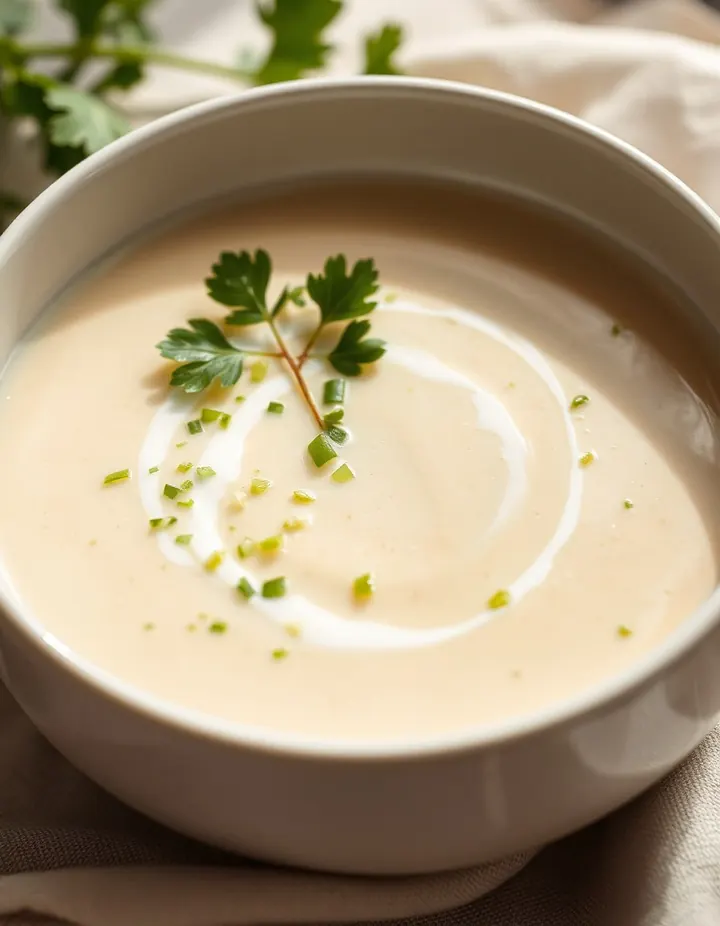 Cream of Celery Soup113 recipes
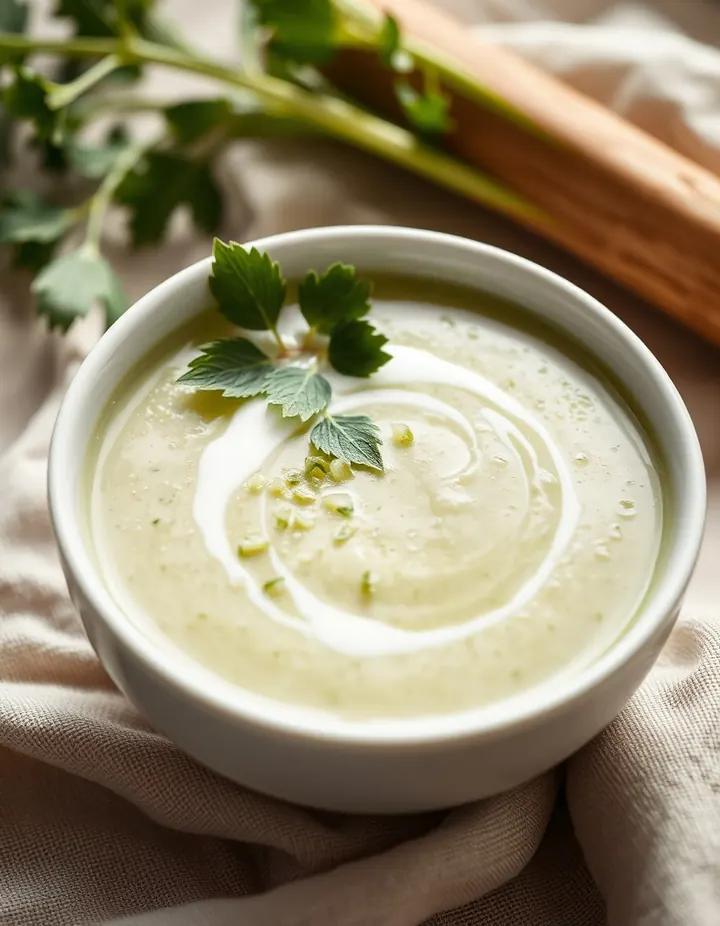 Celery Stew25 recipes
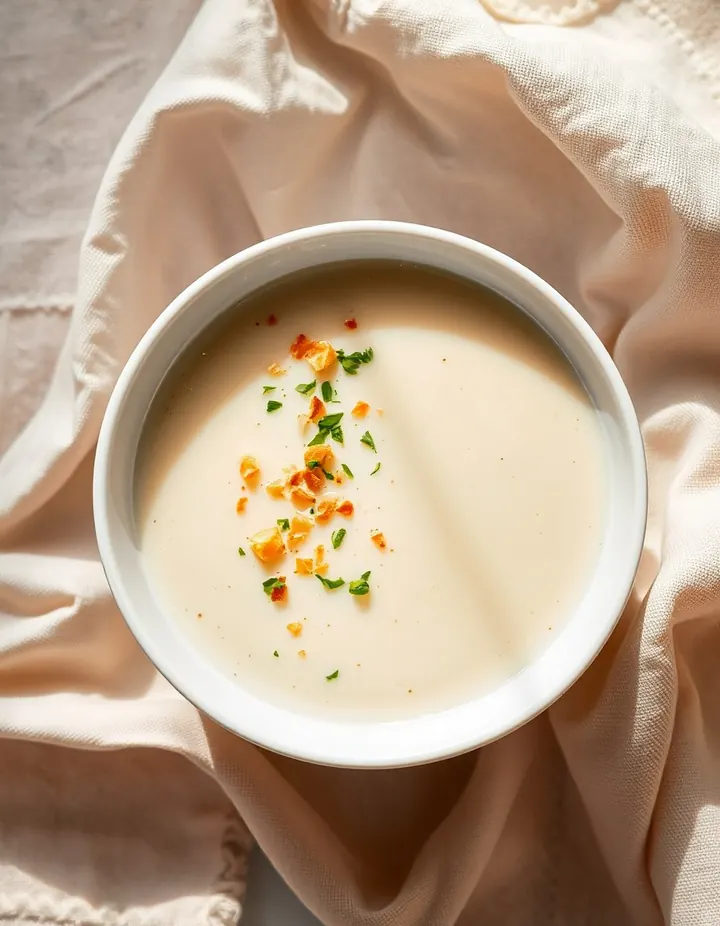 Mock Oyster Soup21 recipes
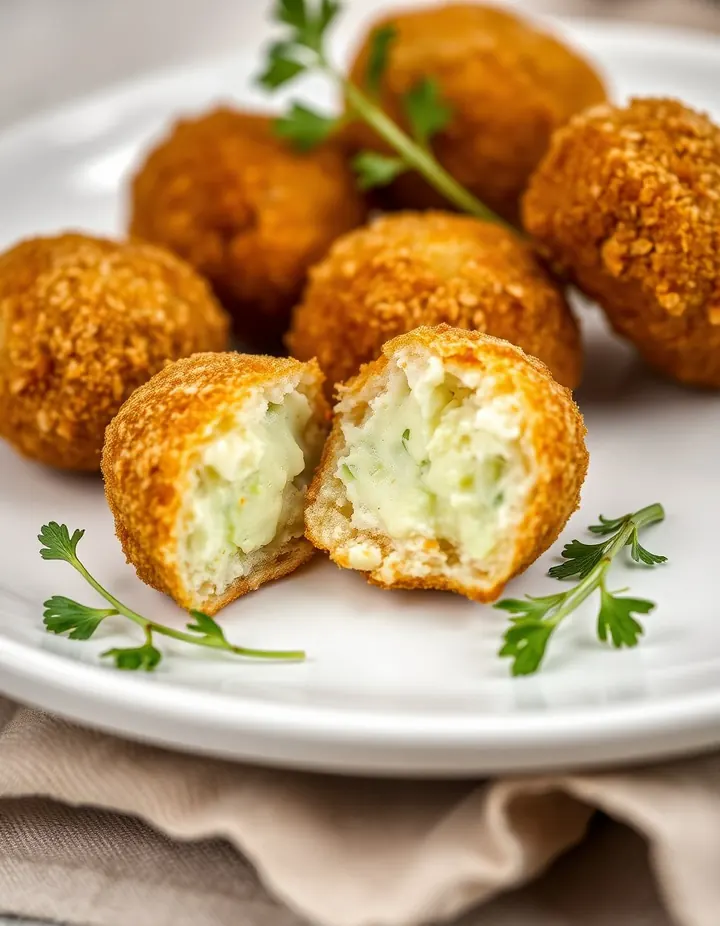 Celery Croquettes16 recipes
The free Flavor Lab newsletter: one surprising pairing a week and the molecular reason it works, in 60 seconds. No spam, unsubscribe anytime.
Prefer an account? Create a free account to save pairings and unlock the full chemistry.