Why it works: Clove and cinnamon match in chemistry and in kitchens. They rank in the top 1% of all ingredient pairs, and cooks put them together in 14,189 recipes. Both carry ethyl cinnamate, which smells sweet, balsamic. The science ↓
Gingerbread Nuts
Ingredients
Directions
The book says “a moderate oven”. The 350°F (175°C) in the steps is the modern equivalent, not the book's own figure.
Make the dough
Cut the butter into the flour and mix with the ginger and other spices.
Wet the mixture with the molasses.
Stir well with a knife.
If the molasses is thin or the weather is warm, add additional flour as needed.
Flour your work surface.
Take a large handful of dough.
Knead it into separate cakes.
Combine all the cakes.
Knead the dough very hard for a long time.
Shape and bake
Cut the dough in half.
Roll it out into two even sheets about ½ inch thick.
Cut into small cakes using a small tin cutter.
Optionally, shape the gingerbread nuts by rolling small pieces of dough into little round balls.
Place the cakes in buttered pans.
Bake in a moderate oven at 350°F (175°C), being careful not to scorch them.
Transcribed from a scanned cookbook and modernised for today's kitchens. Where the book gave no heat or time, or said "a moderate oven", the temperatures and times here may be modern equivalents rather than the book's own figures.
Explore the science
The flavor team
The pairs that carry this dish. Each one is judged two ways: how much their aromas overlap, and how often cooks already put them together.
-
Clove + cinnamontop 1% of all pairsSmell alikestrongCooked together14,189 recipes
Shared aroma: ethyl cinnamate (sweet, balsamic).
-
Allspice + clovetop 1% of all pairsSmell alikestrongCooked together7,874 recipes
Shared aroma: estragole (anise, licorice).
-
Allspice + cinnamontop 1% of all pairsSmell alikestrongCooked together5,536 recipes
Shared aroma: estragole (anise, licorice).
-
Ginger + cinnamontop 1% of all pairsSmell alikestrongCooked together6,380 recipes
Shared aroma: estragole (anise, licorice).
-
Ginger + clovetop 1% of all pairsSmell alikestrongCooked together6,038 recipes
Shared aroma: estragole (anise, licorice).
Ranks compare each pair with 20,000 random ingredient pairs on CompKitchen. How we score pairs
What each ingredient does
- All-purpose flour
- Forms the structure of the dough once mixed and kneaded.
- Unsalted butter
- Adds fat and tenderness, shortening the dough's texture.
- Sugar-house molasses
- Adds moisture, sweetness and dark color, and helps bind the dough.
- Ground ginger
- Provides the main warm, spicy aroma of the gingerbread.
- Pearl ash or baking soda
- Reacts with the molasses acid to lighten the dough and help it rise.
The step that matters
Knead the dough very hard for a long time. Long, firm kneading develops gluten in the flour, giving the dough the structure needed to hold its shape when rolled and cut. Under-kneaded dough can crumble.
Swap the ginger
How well each one fits the dish's main ingredients (flour, butter, sugar, molasses, allspice, clove, cinnamon):
- Nutmegfits better
- Cardamomfits about as well
- Gingerthe original
- Turmericfits less well
Fit is the average pairing score against flour, butter, sugar, molasses, allspice, clove, cinnamon. Candidates are from the same food group and used in at least 100 recipes.
“What each ingredient does” and “The step that matters” were written by Claude from this recipe’s own method and reviewed in samples by CompKitchen.
You might also like
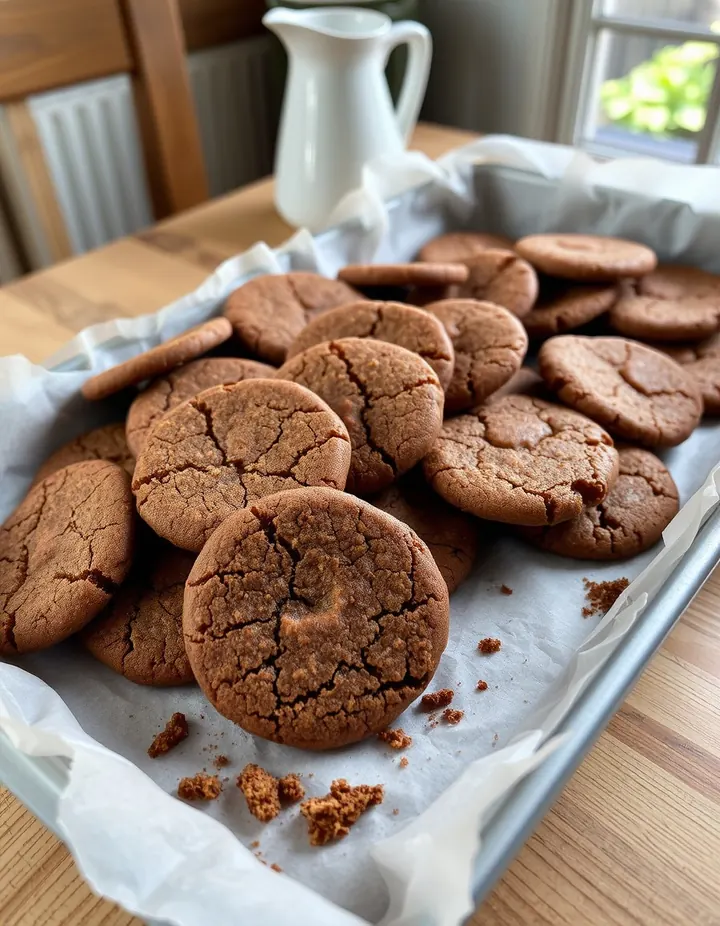 Ginger Cookies213 recipes
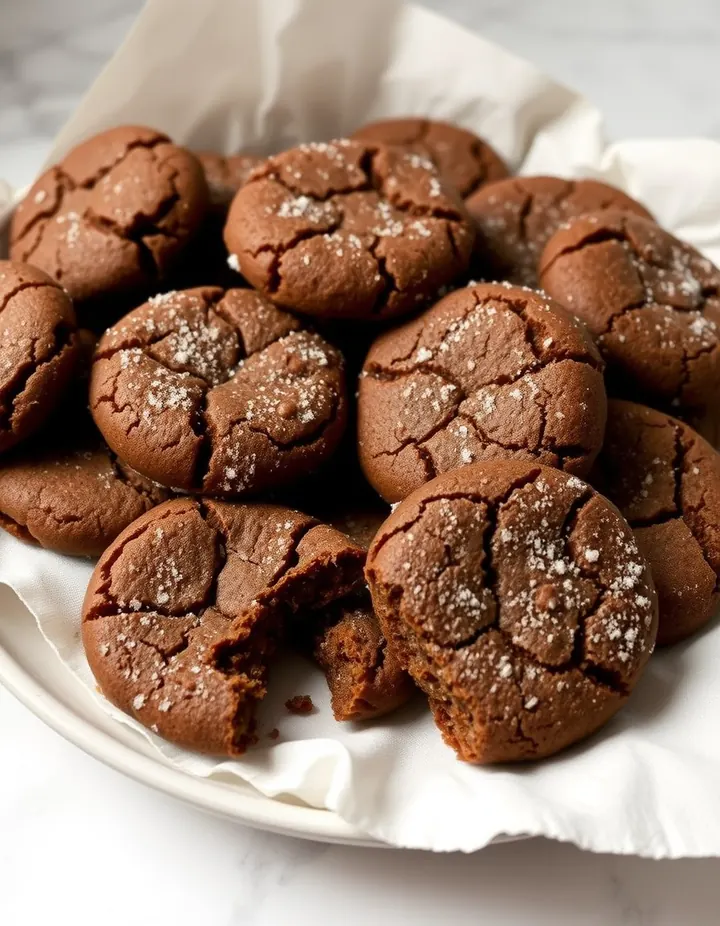 Molasses Cookies96 recipes
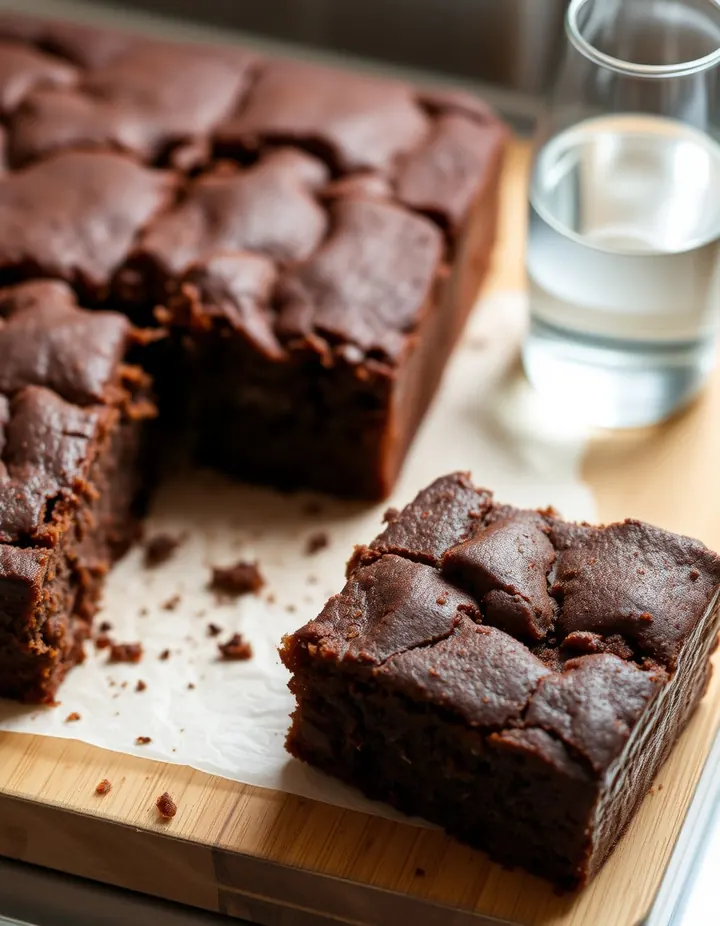 Ginger Cake93 recipes
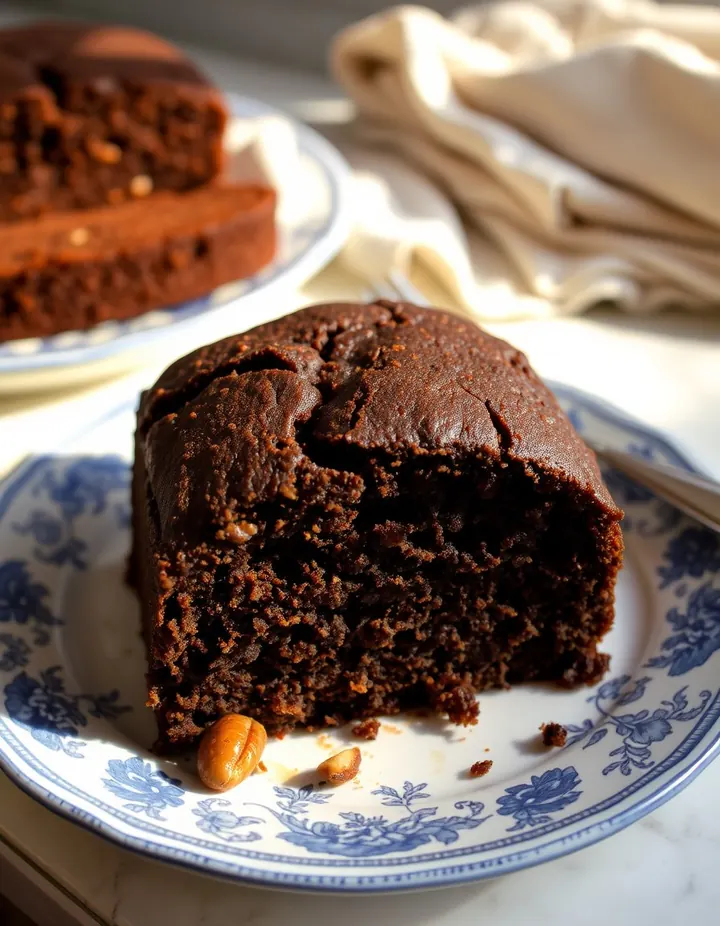 Molasses Cake90 recipes
The free Flavor Lab newsletter: one surprising pairing a week and the molecular reason it works, in 60 seconds. No spam, unsubscribe anytime.
Prefer an account? Create a free account to save pairings and unlock the full chemistry.