Why it works: Butter and flour are a kitchen classic. They rank in the top 12% of all ingredient pairs, and cooks put them together in 124,287 recipes. Both carry isobutyraldehyde, which smells malty, green. The science ↓
Stewed or Potted Pigeons
Ingredients
Directions
Prepare the pigeons
Pluck the pigeons.
Singe the pigeons.
Wipe the pigeons with a wet towel.
Remove the heads and feet.
Carefully draw the pigeons without breaking the entrails.
Save the hearts, livers, and gizzards.
Brown and stew
In a saucepan, heat the butter until smoking hot.
Add the pigeons to the saucepan and brown them.
Dust the browned pigeons with flour.
Stir until the flour is brown.
Cover the pigeons with boiling water.
Season with salt and pepper.
Simmer gently until tender.
Add the peas and serve
Shell enough young green peas to fill a pint measure.
Wash the pods if necessary.
Do not wash the shelled peas.
When the pigeons are tender, add the peas.
Cook until the peas are just tender.
Serve the pigeons on a deep platter with the peas underneath.
Transcribed from a scanned cookbook and modernised for today's kitchens. Where the book gave no heat or time, or said "a moderate oven", the temperatures and times here may be modern equivalents rather than the book's own figures.
Explore the science
The flavor team
The pairs that carry this dish. Each one is judged two ways: how much their aromas overlap, and how often cooks already put them together.
-
Butter + flourtop 12% of all pairsSmell alikelowCooked together124,287 recipes
Shared aroma: isobutyraldehyde (malty, green).
-
Pepper + peastop 15% of all pairsSmell alikemoderateCooked together5,331 recipes
Shared aroma: 2-isopropyl-3-methoxypyrazine (earthy, pea).
-
Butter + peastop 16% of all pairsSmell alikemoderateCooked together4,887 recipes
Shared aroma: trans-2-nonenal (cardboard, fatty).
-
Flour + peppertop 19% of all pairsSmell alikemoderateCooked together50,459 recipes
Shared aroma: isobutyraldehyde (malty, green).
-
Butter + peppertop 21% of all pairsSmell alikemoderateCooked together85,593 recipes
Shared aroma: trans-2-nonenal (cardboard, fatty).
Butter and flour barely smell alike, yet cooks put them together in 124,287 recipes: they work on texture and structure more than aroma.
Ranks compare each pair with 20,000 random ingredient pairs on CompKitchen. How we score pairs
What each ingredient does
- Pigeons
- Provide the main meat, which becomes tender through slow simmering in liquid.
- Butter
- Fat that browns the pigeons and carries flavour into the dish.
- Dry flour
- Browns in the fat and thickens the cooking liquid into a light gravy.
- Young green peas
- Add sweetness and a fresh, tender texture that contrasts with the rich meat.
The step that matters
Stir until the flour is brown. Flour browned in hot fat develops a nutty, toasted flavour and colour. If it is pulled too early it tastes raw and thickens poorly, and if it burns it turns bitter.
Swap the peas
How well each one fits the dish's main ingredients (butter, flour, pepper):
- Almondfits better
- Black-eyed peafits better
- Chestnutfits better
- Peasthe original
Fit is the average pairing score against butter, flour, pepper. Candidates are from the same food group and used in at least 100 recipes.
“What each ingredient does” and “The step that matters” were written by Claude from this recipe’s own method and reviewed in samples by CompKitchen.
You might also like
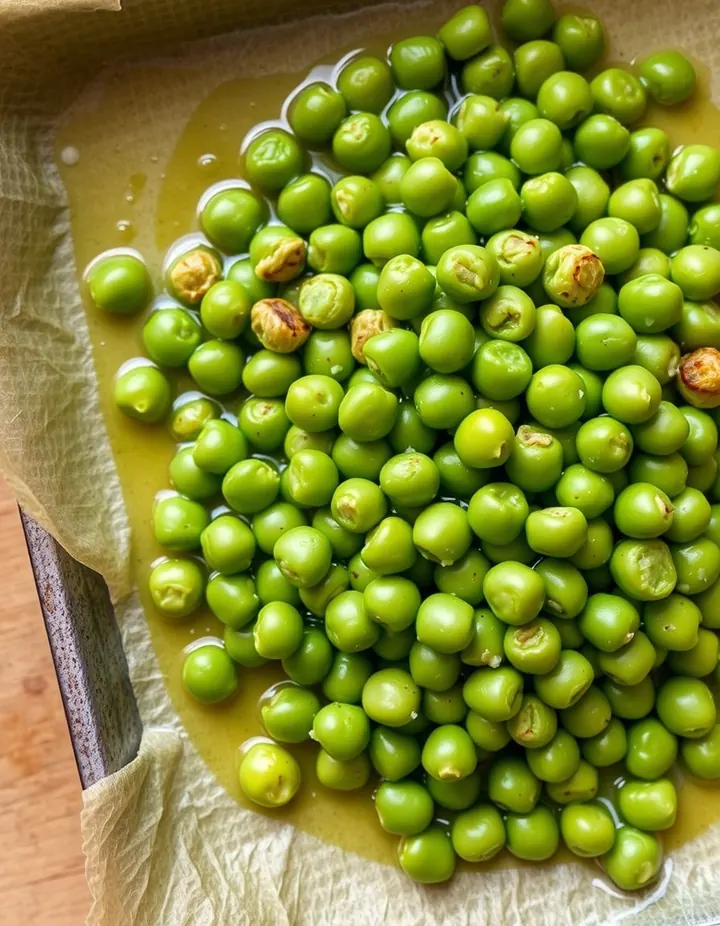 Green Peas229 recipes
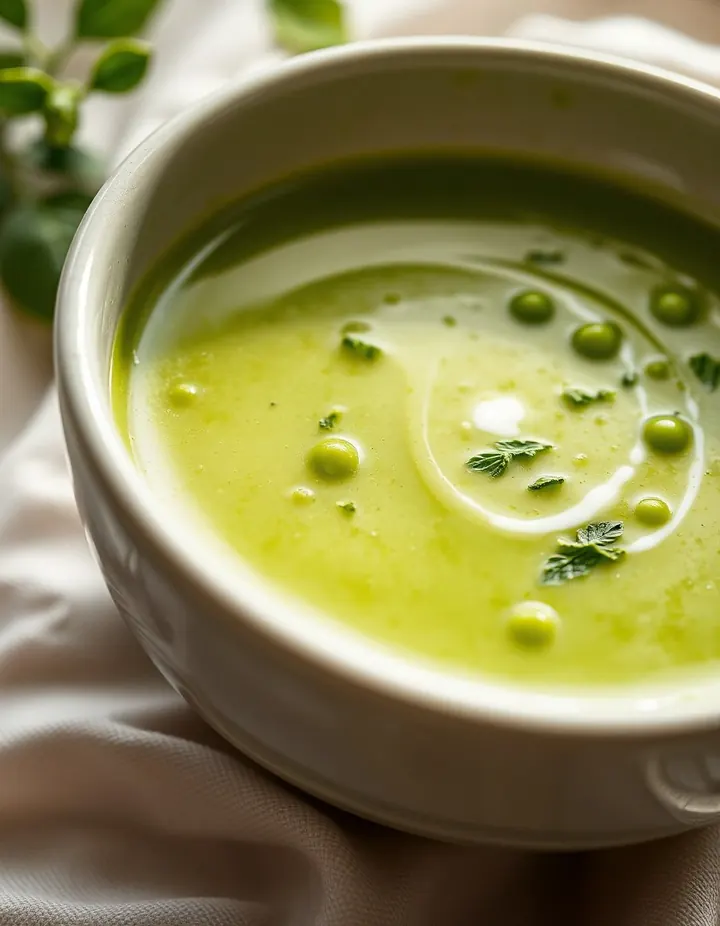 Green Peas Soup35 recipes
 Tomato Soup526 recipes
 Brown Bread461 recipes
The free Flavor Lab newsletter: one surprising pairing a week and the molecular reason it works, in 60 seconds. No spam, unsubscribe anytime.
Prefer an account? Create a free account to save pairings and unlock the full chemistry.