Why it works: Nutmeg and cinnamon match in chemistry and in kitchens. They rank in the top 1% of all ingredient pairs, and cooks put them together in 11,917 recipes. Both carry estragole, which smells anise, licorice. The science ↓
Dorchester Cracker Plum-pudding
Ingredients
Directions
The book says “a moderate oven”. The 350°F (175°C) in the steps is the modern equivalent, not the book's own figure.
Make the custard
Heat the milk almost to boiling, pour it over the beaten eggs and sugar, add the spices, and do not boil again.
Layer the pudding
Butter a pudding dish; layer the bottom with buttered crackers, buttered side up, and moisten with a few spoonfuls of custard.
Cover the crackers with raisins, then add another layer of crackers, buttered side down.
Moisten this layer with hot custard and repeat the layering process until all crackers and fruit are used.
Pour custard until only the surface of the upper layer is visible, but do not float them.
Cover and refrigerate overnight.
In the morning, add the remaining custard in intervals of five or six minutes.
Bake and serve
Bake covered for two hours in a moderate oven at 350°F (175°C), then uncover to brown.
Serve hot with sauce.
Transcribed from a scanned cookbook and modernised for today's kitchens. Where the book gave no heat or time, or said "a moderate oven", the temperatures and times here may be modern equivalents rather than the book's own figures.
Explore the science
The flavor team
The pairs that carry this dish. Each one is judged two ways: how much their aromas overlap, and how often cooks already put them together.
-
Nutmeg + cinnamontop 1% of all pairsSmell alikestrongCooked together11,917 recipes
Shared aroma: estragole (anise, licorice).
-
Clove + cinnamontop 1% of all pairsSmell alikestrongCooked together14,189 recipes
Shared aroma: ethyl cinnamate (sweet, balsamic).
-
Nutmeg + clovetop 1% of all pairsSmell alikestrongCooked together8,686 recipes
Shared aroma: estragole (anise, licorice).
-
Cinnamon + raisintop 1% of all pairsSmell alikemoderateCooked together5,390 recipes
Shared aroma: 1-octen-3-ol (mushroom, earthy).
-
Nutmeg + raisintop 6% of all pairsSmell alikemoderateCooked together5,377 recipes
Shared aroma: alpha-terpineol (lilac, floral).
Ranks compare each pair with 20,000 random ingredient pairs on CompKitchen. How we score pairs
What each ingredient does
- Eggs
- Set the custard and bind the layers into a sliceable pudding.
- Milk
- Forms the liquid base of the custard that soaks into the crackers.
- Boston crackers
- Absorb the custard and form the soft, bread-like body of the pudding.
- Raisins
- Add sweetness and chewy pockets of fruit throughout the layers.
- Sugar
- Sweetens the custard and contributes to browning on the baked surface.
The step that matters
Do not boil the custard after adding the eggs. High heat makes the beaten eggs scramble and curdle, so the custard turns grainy instead of smooth and evenly set.
Swap the raisin
How well each one fits the dish's main ingredients (milk, egg, sugar, nutmeg, clove, cinnamon):
- Vanillafits better
- Raisinthe original
- Figfits about as well
- Lemonfits less well
Fit is the average pairing score against milk, egg, sugar, nutmeg, clove, cinnamon. Candidates are from the same food group and used in at least 100 recipes.
“What each ingredient does” and “The step that matters” were written by Claude from this recipe’s own method and reviewed in samples by CompKitchen.
You might also like
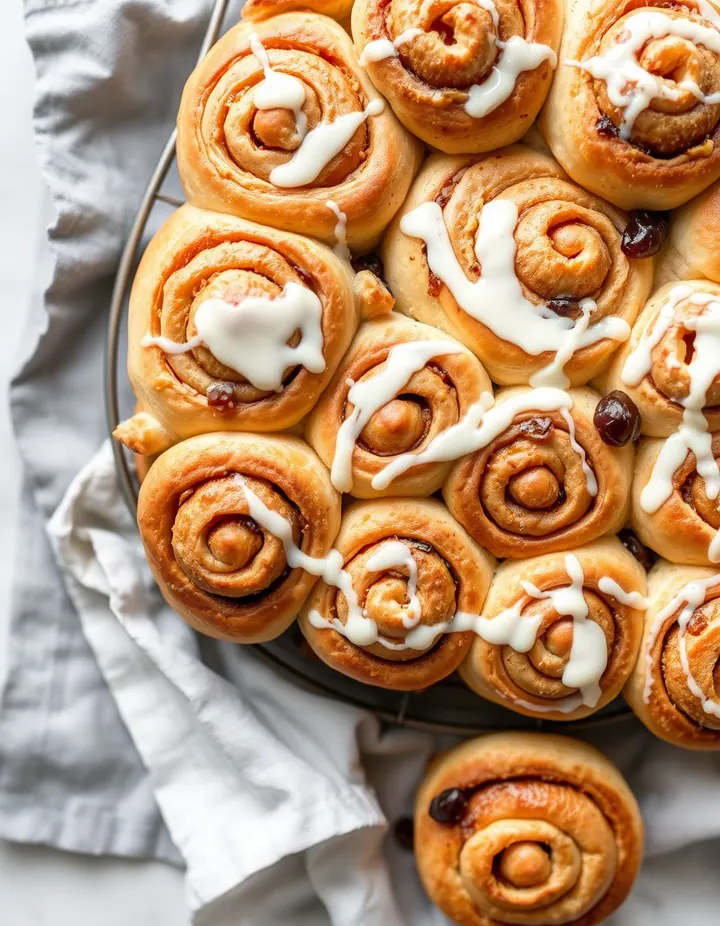 Cinnamon Rolls71 recipes
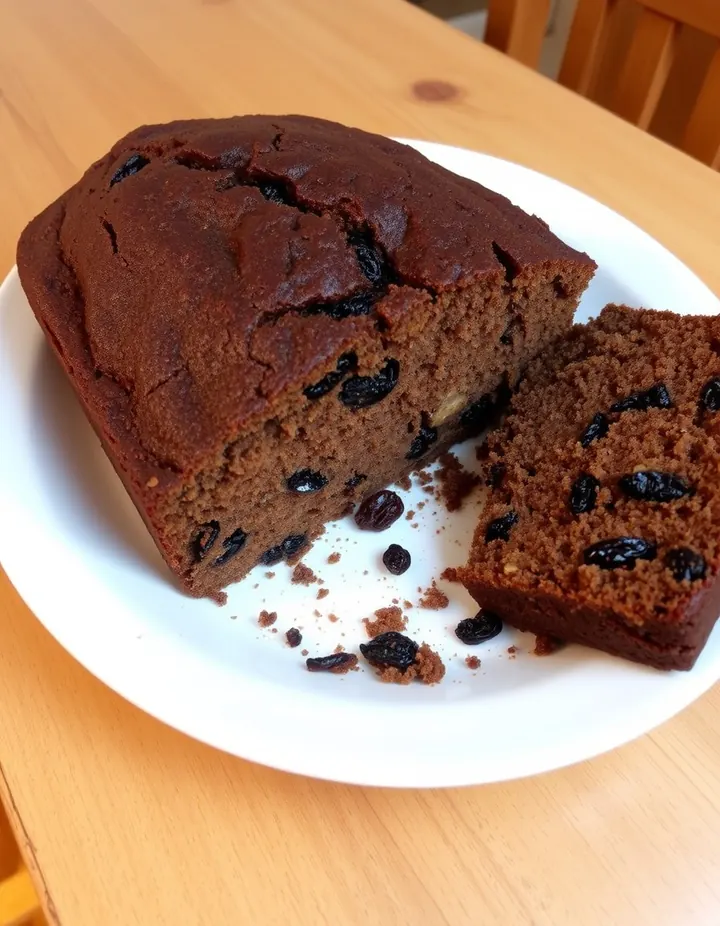 Clove Cake53 recipes
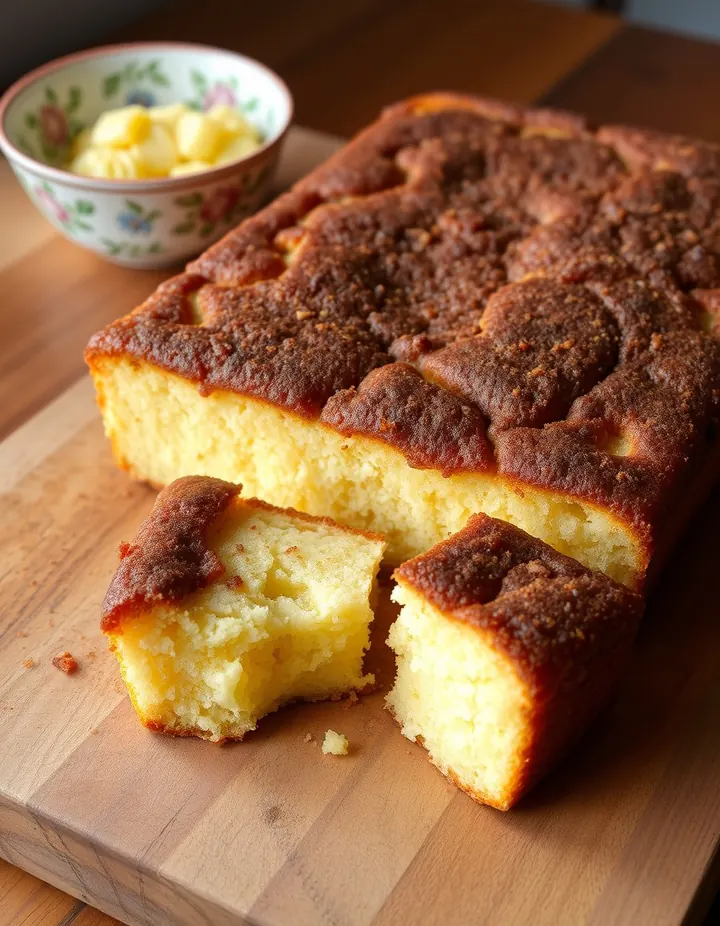 Cinnamon Cake42 recipes
 White Cake431 recipes
The free Flavor Lab newsletter: one surprising pairing a week and the molecular reason it works, in 60 seconds. No spam, unsubscribe anytime.
Prefer an account? Create a free account to save pairings and unlock the full chemistry.