Why it works: Peas and green beans share more aroma than cooks usually use. They rank in the top 2% of all ingredient pairs, and cooks put them together in 54 recipes. Both carry 2-isobutyl-3-methoxypyrazine, which smells green bell pepper, earthy. The science ↓
Planked Steak
Ingredients
Directions
The book says “a slow oven”. The 300°F (150°C) in the steps is the modern equivalent, not the book's own figure.
Prepare
Preheat the oven to 300°F (150°C).
Grease a plank.
Prepare the vegetables.
Pare the potatoes.
Scrape the carrots, shaping them into balls.
Peel the small onion.
Wash and peel the mushrooms.
Cook the vegetables
Boil the potatoes and carrot balls in separate pots until tender.
Boil the onion until tender.
Drain the onion.
Fry the onion.
Cook the peas and green beans (or canned beans).
Season the peas and green beans well.
Cook and serve the steak
Pan‑broil the steak for 5 minutes on each side.
Place the steak on the heated plank in the oven.
Cook the steak for about 20 minutes.
Place the mushrooms on top of the steak.
Spread butter or marrow over the steak.
Season the steak with salt and pepper.
Arrange the cooked vegetables around the steak.
Garnish with watercress.
Serve immediately.
Transcribed from a scanned cookbook and modernised for today's kitchens. Where the book gave no heat or time, or said "a moderate oven", the temperatures and times here may be modern equivalents rather than the book's own figures.
Explore the science
The flavor team
The pairs that carry this dish. Each one is judged two ways: how much their aromas overlap, and how often cooks already put them together.
-
Peas + green beanstop 2% of all pairsSmell alikestrongCooked together54 recipes
Shared aroma: 2-isobutyl-3-methoxypyrazine (green bell pepper, earthy).
-
Potato + oniontop 3% of all pairsSmell alikemoderateCooked together9,023 recipes
Shared aroma: 2-isopropyl-3-methoxypyrazine (earthy, pea).
-
Potato + carrottop 4% of all pairsSmell alikestrongCooked together3,107 recipes
Shared aroma: 2-isobutyl-3-methoxypyrazine (green bell pepper, earthy).
-
Potato + green beanstop 5% of all pairsSmell alikemoderateCooked together81 recipes
Shared aroma: 2-isobutyl-3-methoxypyrazine (green bell pepper, earthy).
-
Carrot + peppertop 6% of all pairsSmell alikestrongCooked together14,555 recipes
Shared aroma: 2-isopropyl-3-methoxypyrazine (earthy, pea).
Ranks compare each pair with 20,000 random ingredient pairs on CompKitchen. How we score pairs
What each ingredient does
- Porterhouse steak
- Forms the main protein, browning on the surface while the interior cooks gently in the oven.
- Butter or marrow
- Adds fat and richness, carrying flavour and helping the steak stay moist as it cooks.
- Mushrooms
- Release moisture and savoury flavour as they cook over the steak, adding a rich, earthy taste.
- Potatoes
- Provide starch that turns soft and filling when boiled until tender.
The step that matters
Pan-broil the steak before the oven. Searing the steak in a hot pan browns its surface and builds flavour. Finishing it gently in the oven then cooks the interior more evenly, so the outside is not overcooked before the centre is done.
Swap the green beans
How well each one fits the dish's main ingredients (butter, mushroom, potato, carrot, onion, peas, pepper):
- Leekfits better
- Asparagusfits better
- Capsicumfits better
- Green beansthe original
Fit is the average pairing score against butter, mushroom, potato, carrot, onion, peas, pepper. Candidates are from the same food group and used in at least 100 recipes.
“What each ingredient does” and “The step that matters” were written by Claude from this recipe’s own method and reviewed in samples by CompKitchen.
You might also like
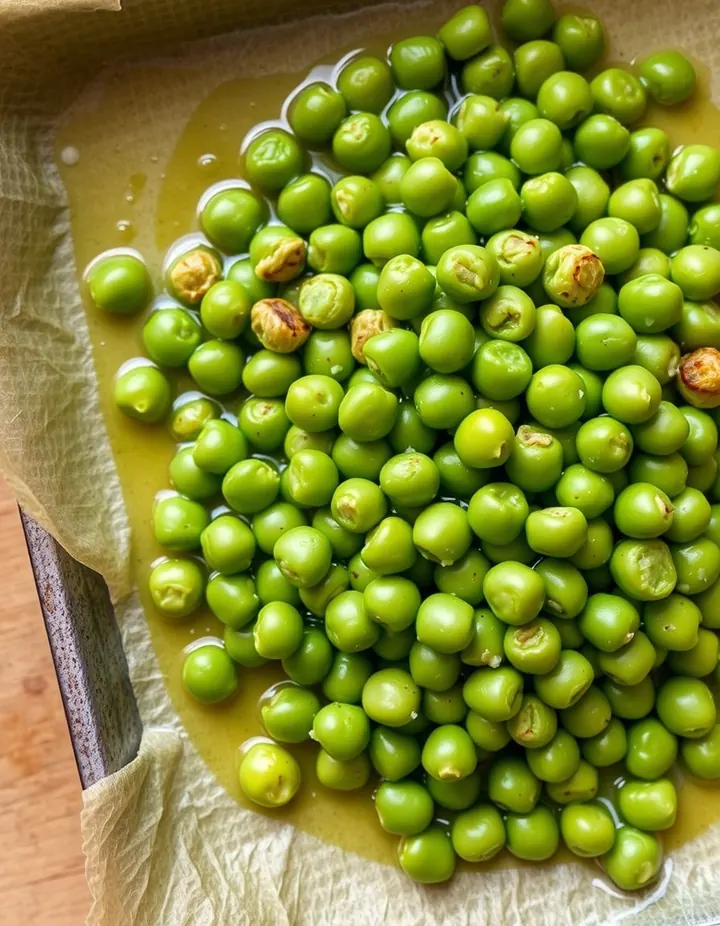 Green Peas229 recipes
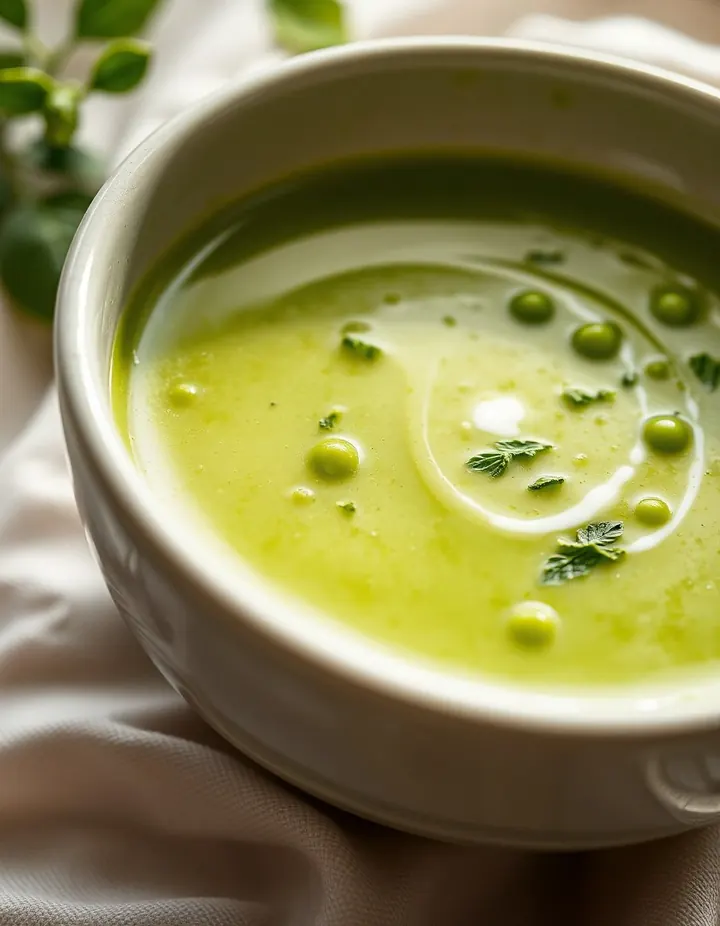 Green Peas Soup35 recipes
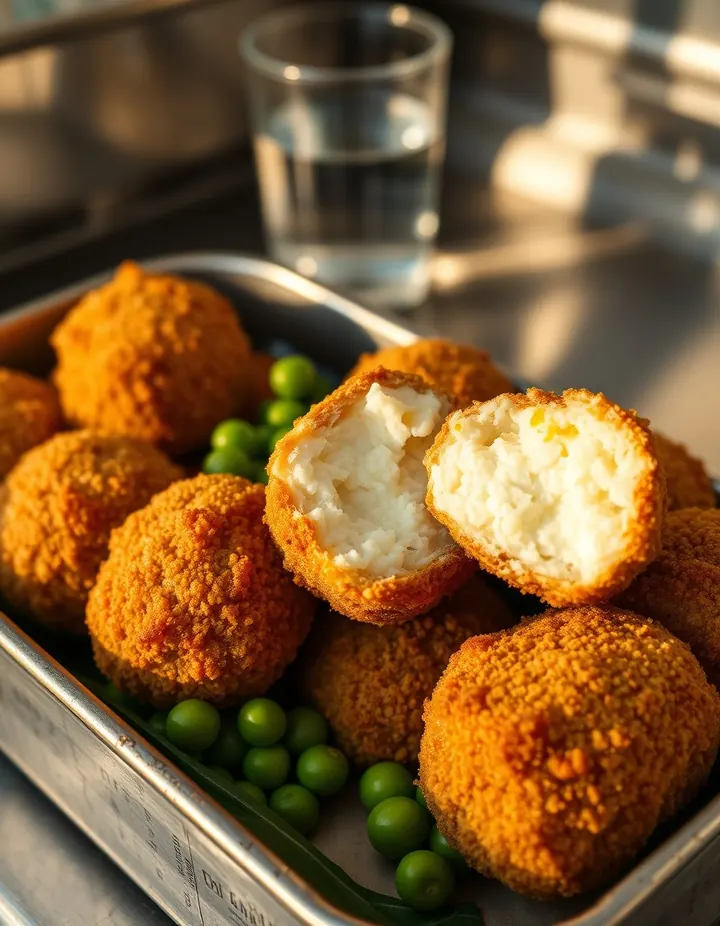 Potato Croquettes255 recipes
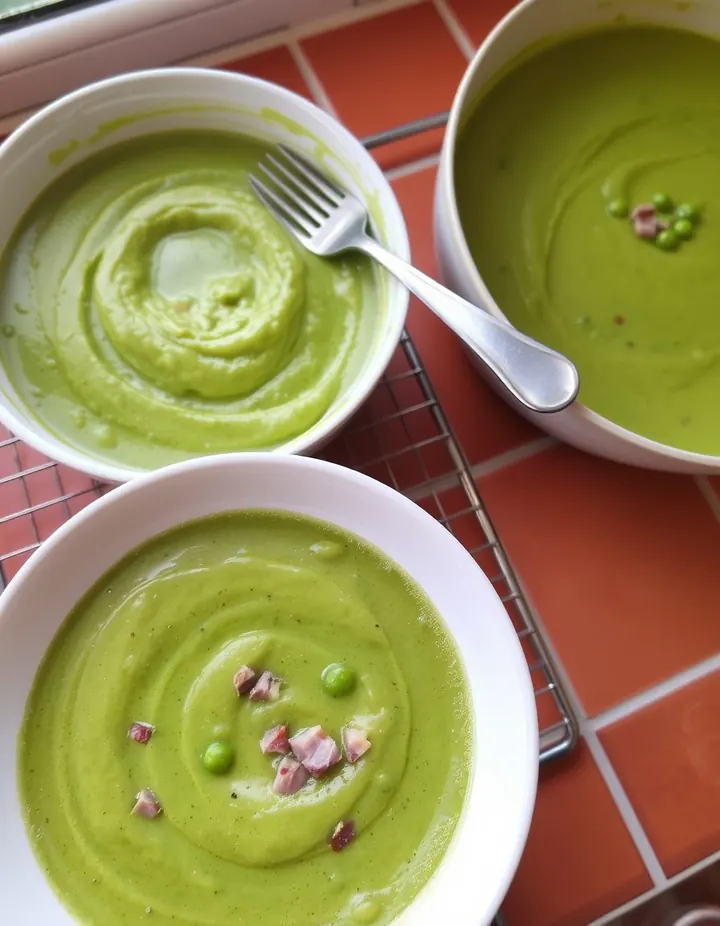 Green Pea Soup181 recipes
The free Flavor Lab newsletter: one surprising pairing a week and the molecular reason it works, in 60 seconds. No spam, unsubscribe anytime.
Prefer an account? Create a free account to save pairings and unlock the full chemistry.