Why it works: Vanilla and milk are a kitchen classic. They rank in the top 5% of all ingredient pairs, and 19,187 recipes mention both. Both carry ethyl caproate, which smells fruity, apple peel. The science ↓
The Queen of Puddings
Ingredients
Directions
The book gives no oven temperature. The 350°F (175°C) in the steps was added when the recipe was transcribed, as a starting point.
Prepare the base
Preheat the oven to 350°F (175°C).
Rub the butter into the sugar until well combined.
Beat the egg yolks until light and creamy, then mix with the butter and sugar.
Add the soaked bread crumbs and seasoning, and stir until combined.
Bake the custard
Pour the mixture into a large buttered pudding dish, filling it about two-thirds full.
Bake until the custard is set.
Add the meringue
Remove from the oven and spread the jelly or fruit conserve on top.
Make a meringue by whipping the egg whites and gradually adding the sugar until stiff peaks form.
Spread the meringue over the jelly and return to the oven until the meringue begins to color.
Serve
Serve cold with cream.
Transcribed from a scanned cookbook and modernised for today's kitchens. Where the book gave no heat or time, or said "a moderate oven", the temperatures and times here may be modern equivalents rather than the book's own figures.
Explore the science
The flavor team
The pairs that carry this dish. Each one is judged two ways: how much aroma chemistry they share, and how many recipes mention both.
-
Vanilla + milktop 5% of all pairsAroma overlapmoderateMentioned together19,187 recipes
Shared aroma: ethyl caproate (fruity, apple peel).
-
Bread + buttertop 7% of all pairsAroma overlapmoderateMentioned together27,232 recipes
Shared aroma: delta-decalactone (sweet, creamy).
-
Butter + milktop 7% of all pairsAroma overlapmoderateMentioned together81,283 recipes
Shared aroma: (z)-4-heptenal (biscuit, cream).
-
Sugar + vanillatop 8% of all pairsAroma overlaplowMentioned together35,032 recipes
Shared aroma: beta-damascenone (apple, rose).
-
Bread + milktop 11% of all pairsAroma overlapmoderateMentioned together11,466 recipes
Shared aroma: 2-undecenal (sweet).
Sugar and vanilla share little aroma chemistry, yet 35,032 recipes mention both: they likely work on texture and structure more than aroma.
Ranks compare each pair with 20,000 random ingredient pairs on CompKitchen. How we score pairs
What each ingredient does
- Eggs
- Yolks set the custard, and whipped whites form the light meringue topping.
- Fine dry bread crumbs
- Soaked crumbs absorb the milk and give the pudding its body.
- Fresh milk
- Milk forms the liquid base that sets into a custard as the eggs cook.
- White sugar
- Sweetens the custard and helps stiffen the meringue as it dissolves into the whites.
- Butter
- Adds fat that enriches the custard and softens its texture.
- Jelly
- Adds a sweet, fruity layer between the custard and the meringue.
The step that matters
Adding the sugar to the meringue. Sugar must be added gradually so it dissolves fully into the whites, producing stiff, stable peaks. Undissolved sugar can weep, and the meringue should only be baked until it just colors, since overbaking makes it tough and dries it out.
“What each ingredient does” and “The step that matters” were written by Claude from this recipe’s own method and reviewed in samples by CompKitchen.
You might also like
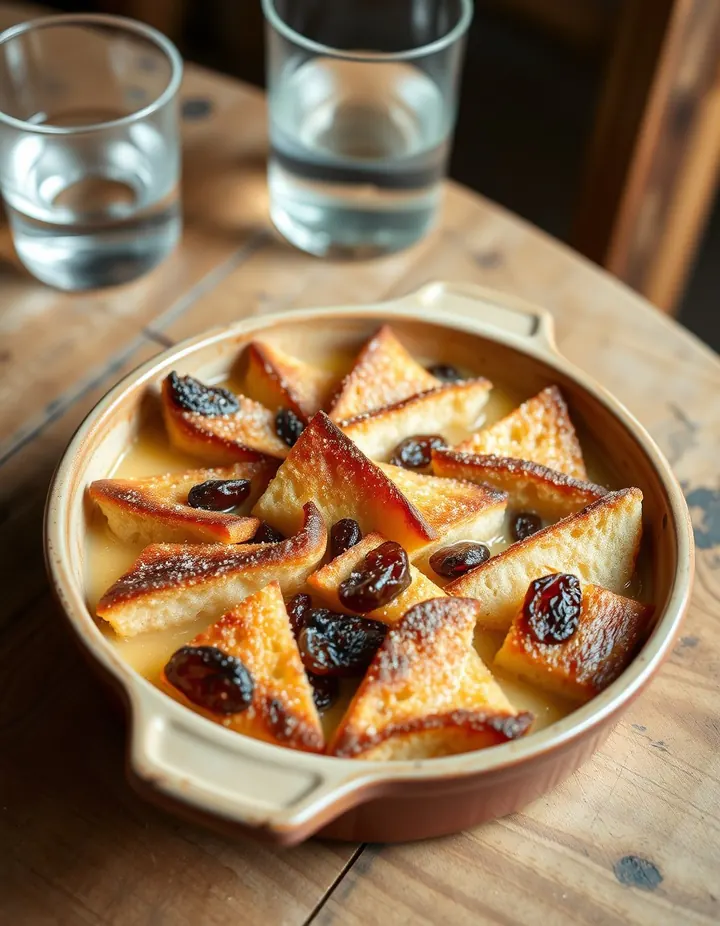 Bread Pudding153 recipes
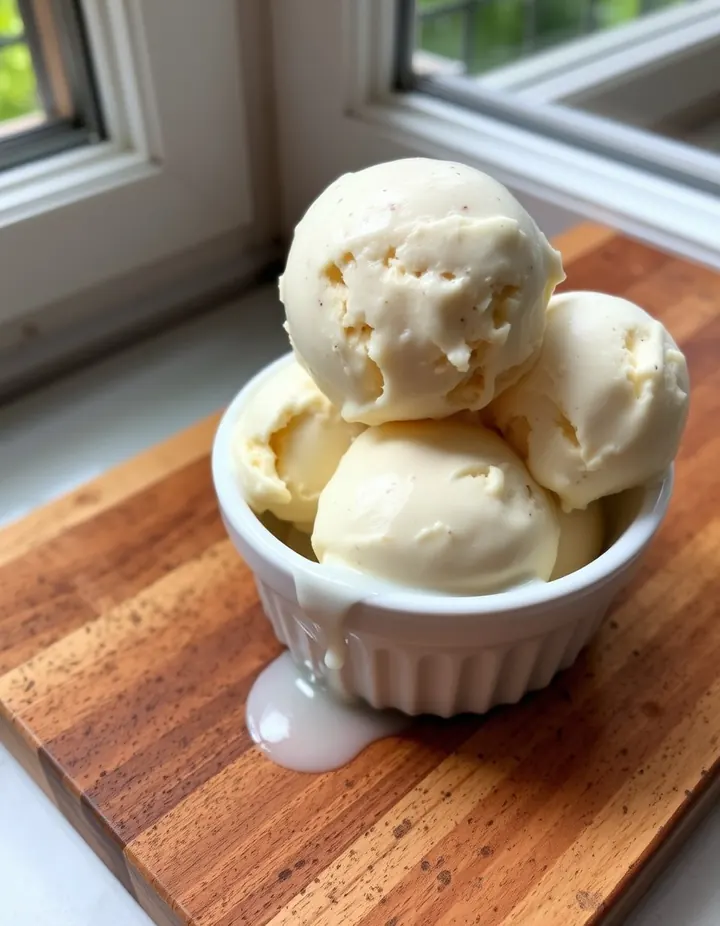 Vanilla Ice Cream108 recipes
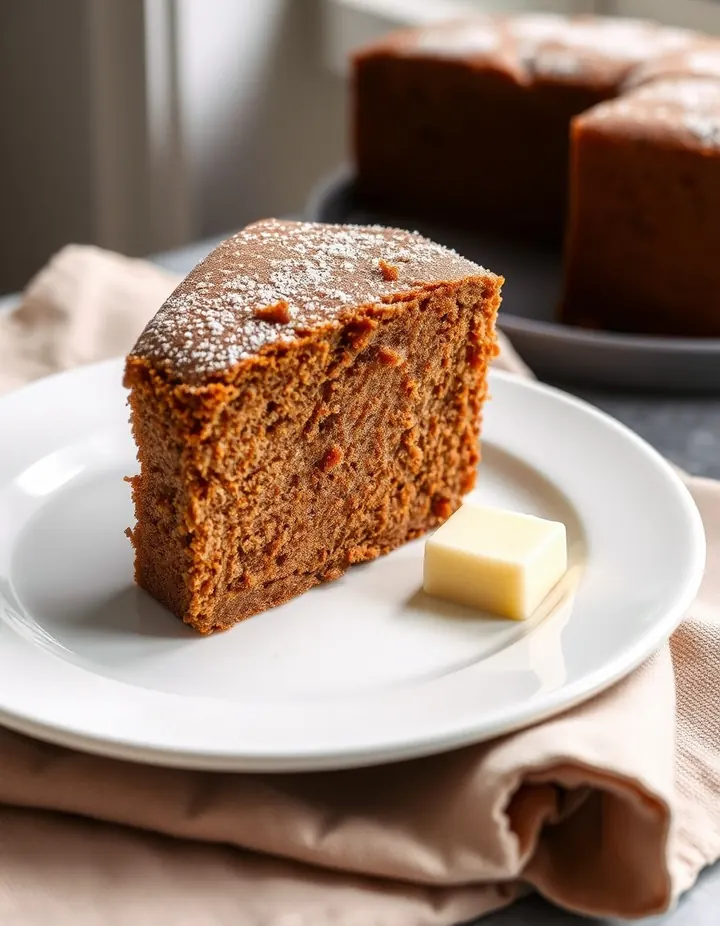 Soft Ginger Bread85 recipes
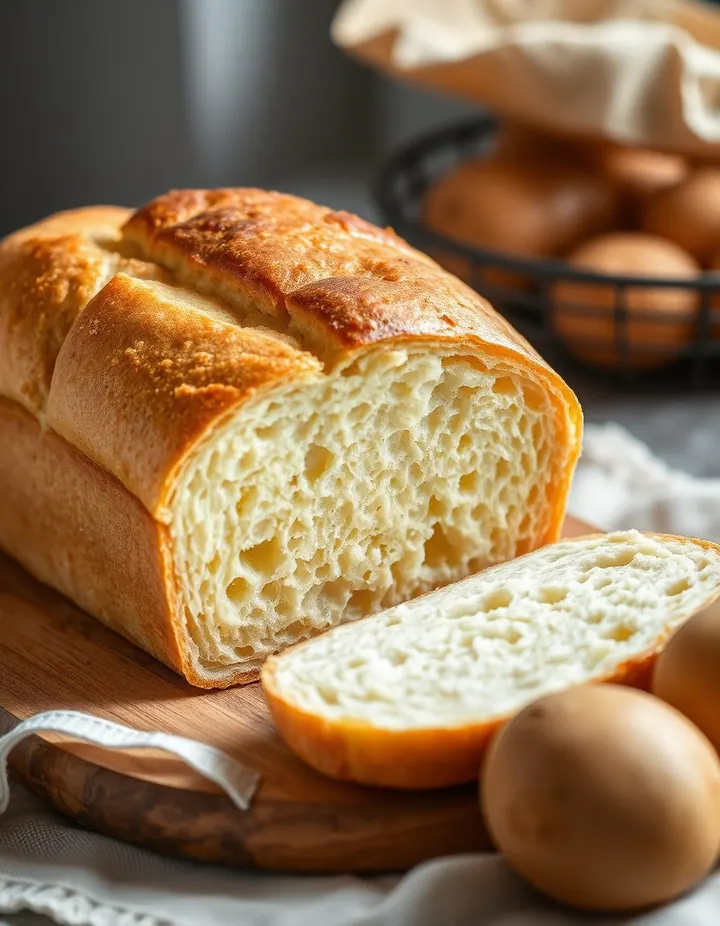 Orange Potato Bread80 recipes
The Sunday pairing: one pairing, the chemistry behind it, and how to cook it. No spam, unsubscribe anytime.
Prefer an account? Create a free account for sign-in; Pro adds the full results and chemistry.