Why it works: Bread and sugar are a kitchen classic. They rank in the top 32% of all ingredient pairs, and cooks put them together in 8,638 recipes. Both carry 2-nonenal, which smells fatty, green. The science ↓
Hydropathic Pudding
Ingredients
Directions
Prepare the bread
Cut a round piece of stale bread the size of a half-dollar and place it at the bottom of a basin.
Arrange strips of stale bread around the round piece, leaving a finger-width space between them.
Cook the fruit
If using fresh fruit, stew it with water and sugar until cooked like in a fruit pie.
If using bottled fruit, boil the syrup with sugar and simmer the fruit in it for a minute or two.
Assemble and set
While the fruit is hot, add it to the basin spoonful by spoonful to avoid displacing the bread.
Place the heavier parts of the fruit at the bottom and the juice on top.
Cover the top with small diced stale bread.
Place a plate on top and weigh it down, preserving the juice that rises.
Set the pudding in a cool place until needed.
Transcribed from a scanned cookbook and modernised for today's kitchens. Where the book gave no heat or time, or said "a moderate oven", the temperatures and times here may be modern equivalents rather than the book's own figures.
Explore the science
The flavor team
The pairs that carry this dish. Each one is judged two ways: how much their aromas overlap, and how often cooks already put them together.
-
Bread + sugartop 32% of all pairsSmell alikelowCooked together8,638 recipes
Shared aroma: 2-nonenal (fatty, green).
Ranks compare each pair with 20,000 random ingredient pairs on CompKitchen. How we score pairs
What each ingredient does
- Stale bread
- Forms the structure of the pudding, soaking up fruit juice so it holds its shape when set.
- Fresh or bottled fruit
- Provides the main flavour and moisture that softens the bread into a set, sliceable body.
- Sugar
- Sweetens the fruit and syrup, balancing the tartness of the fruit.
The step that matters
Add the hot fruit spoonful by spoonful. Pouring fruit in quickly can shift or break the carefully arranged bread, spoiling the shape. Adding it gradually lets each spoonful settle while the bread absorbs the juice evenly.
“What each ingredient does” and “The step that matters” were written by Claude from this recipe’s own method and reviewed in samples by CompKitchen.
You might also like
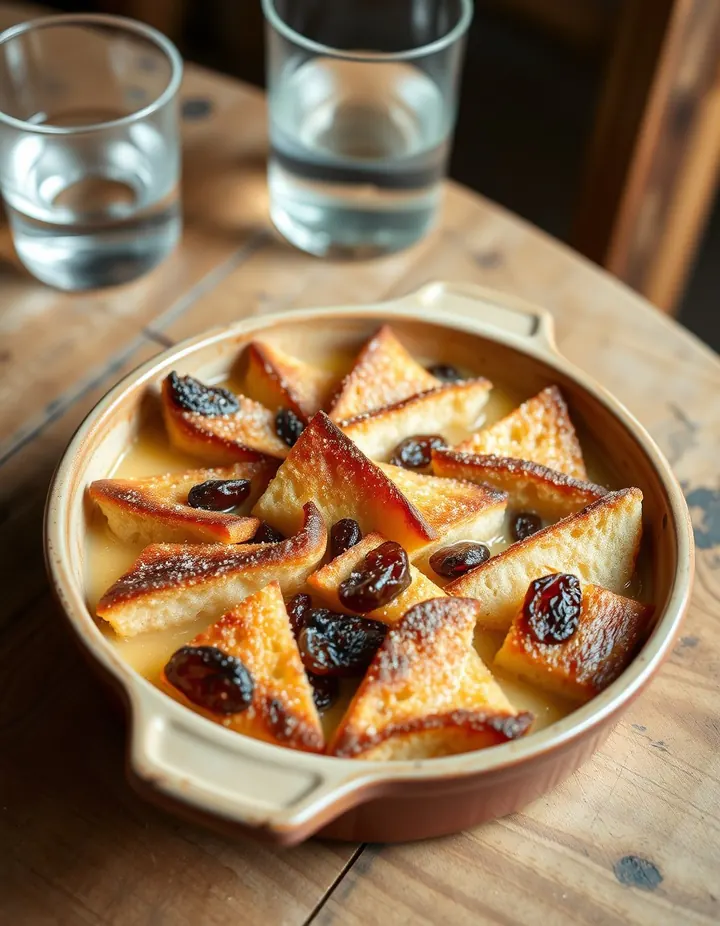 Bread Pudding153 recipes
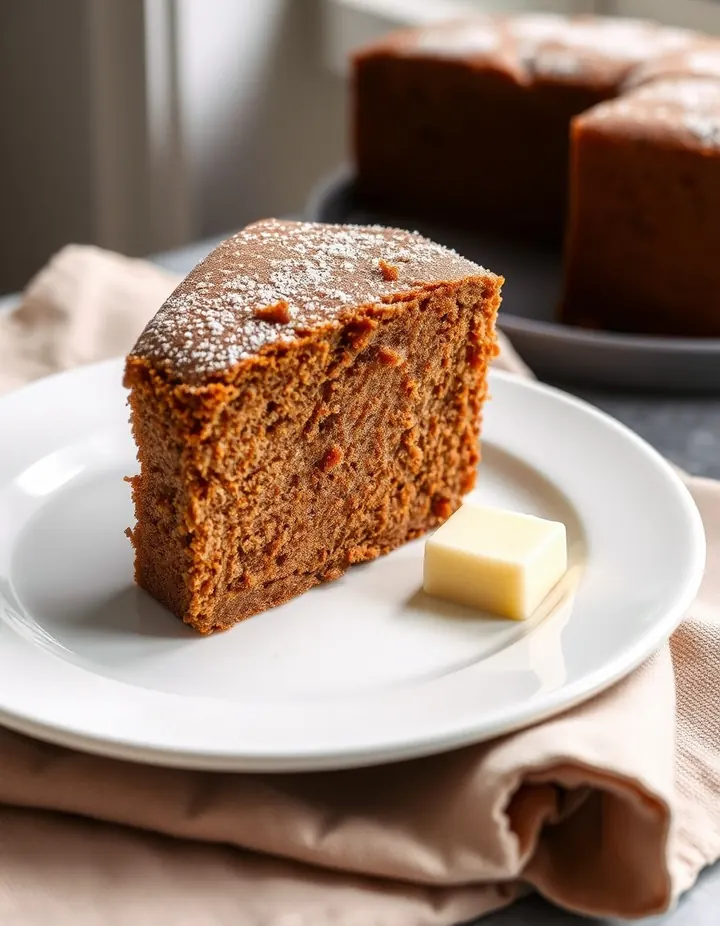 Soft Ginger Bread85 recipes
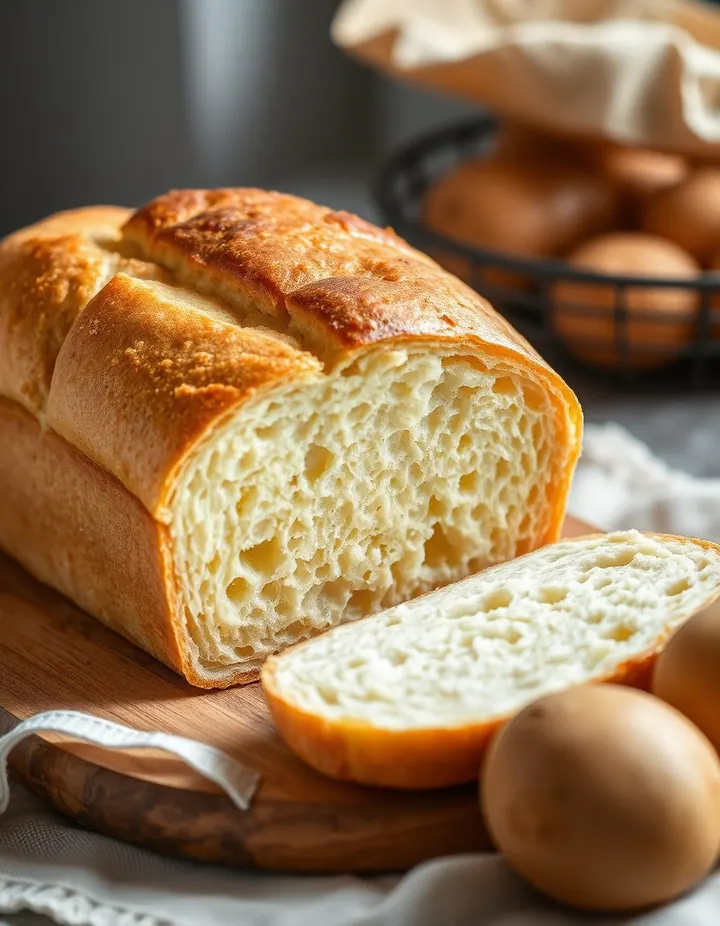 Orange Potato Bread80 recipes
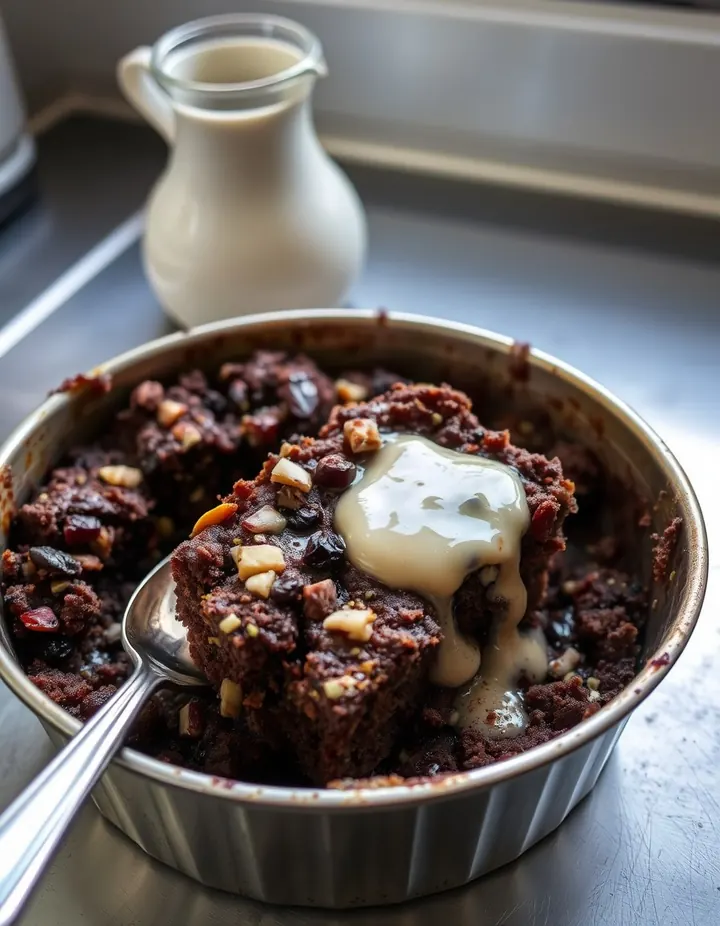 Brown Bread Pudding47 recipes
The free Flavor Lab newsletter: one surprising pairing a week and the molecular reason it works, in 60 seconds. No spam, unsubscribe anytime.
Prefer an account? Create a free account to save pairings and unlock the full chemistry.