Why it works: Bread and butter are a kitchen classic. They rank in the top 7% of all ingredient pairs, and cooks put them together in 27,232 recipes. Both carry delta-decalactone, which smells sweet, creamy. The science ↓
To Make Good Rusk
Ingredients
Directions
Prepare the dough
Take a piece of bread dough large enough to fill a quart bowl.
Add melted butter, egg, and baking soda; knead the mixture well.
Roll out the dough thin.
Fold it over and roll it to the thickness of a thin biscuit.
Shape and bake
Cut out shapes with a biscuit cutter and place them in a warm spot to rise for 20 to 30 minutes.
Bake until thoroughly dry and enjoy with coffee.
Transcribed from a scanned cookbook and modernised for today's kitchens. Where the book gave no heat or time, or said "a moderate oven", the temperatures and times here may be modern equivalents rather than the book's own figures.
Explore the science
The flavor team
The pairs that carry this dish. Each one is judged two ways: how much their aromas overlap, and how often cooks already put them together.
-
Bread + buttertop 7% of all pairsSmell alikemoderateCooked together27,232 recipes
Shared aroma: delta-decalactone (sweet, creamy).
-
Bread + eggtop 13% of all pairsSmell alikemoderateCooked together22,662 recipes
Shared aroma: (e)-2-octenal (fatty, green).
-
Butter + eggtop 17% of all pairsSmell alikemoderateCooked together118,967 recipes
Shared aroma: decanal (soap, orange peel).
Ranks compare each pair with 20,000 random ingredient pairs on CompKitchen. How we score pairs
What each ingredient does
- Bread dough
- Forms the base structure that gives the rusks their body.
- Melted butter
- Adds fat, which softens the crumb and gives a richer texture.
- Egg
- Adds structure and richness, helping bind the kneaded dough.
- Baking soda
- Reacts to lighten the dough and helps it rise in a warm spot.
The step that matters
Baking until thoroughly dry. Rusks are twice-cooked or dried breads whose crisp, shelf-stable texture depends on removing moisture completely. Stopping early leaves a soft, damp center that spoils faster and tastes doughy.
“What each ingredient does” and “The step that matters” were written by Claude from this recipe’s own method and reviewed in samples by CompKitchen.
More rusks recipes
You might also like
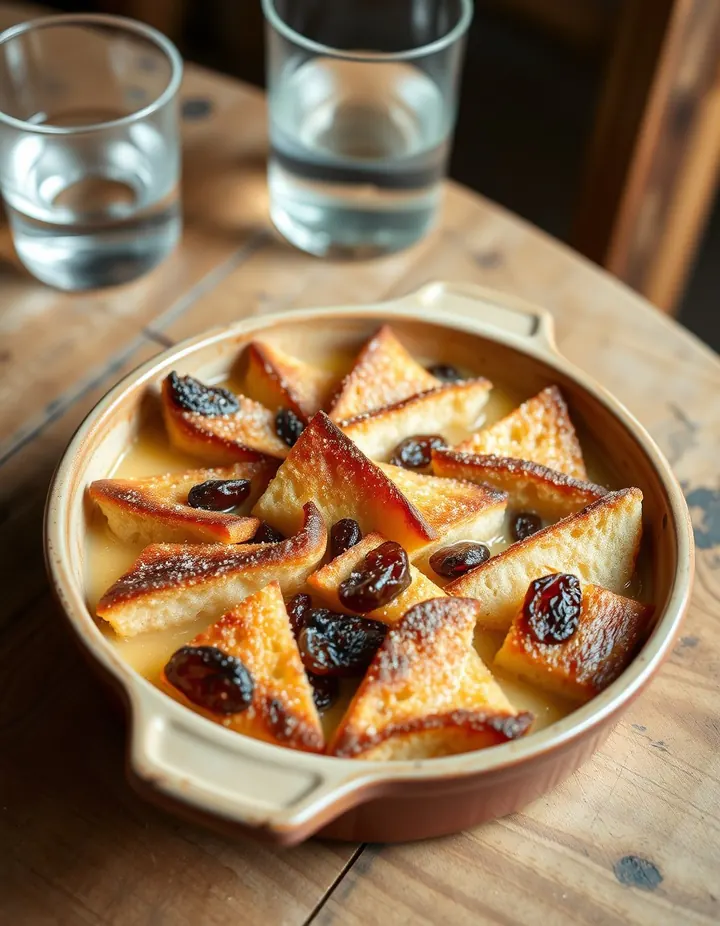 Bread Pudding153 recipes
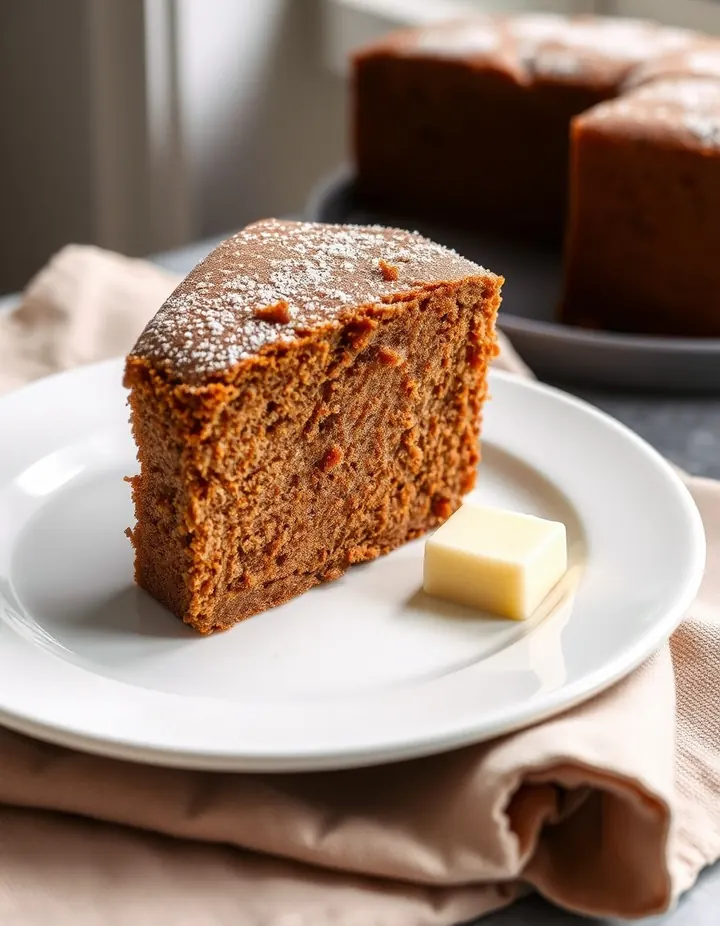 Soft Ginger Bread85 recipes
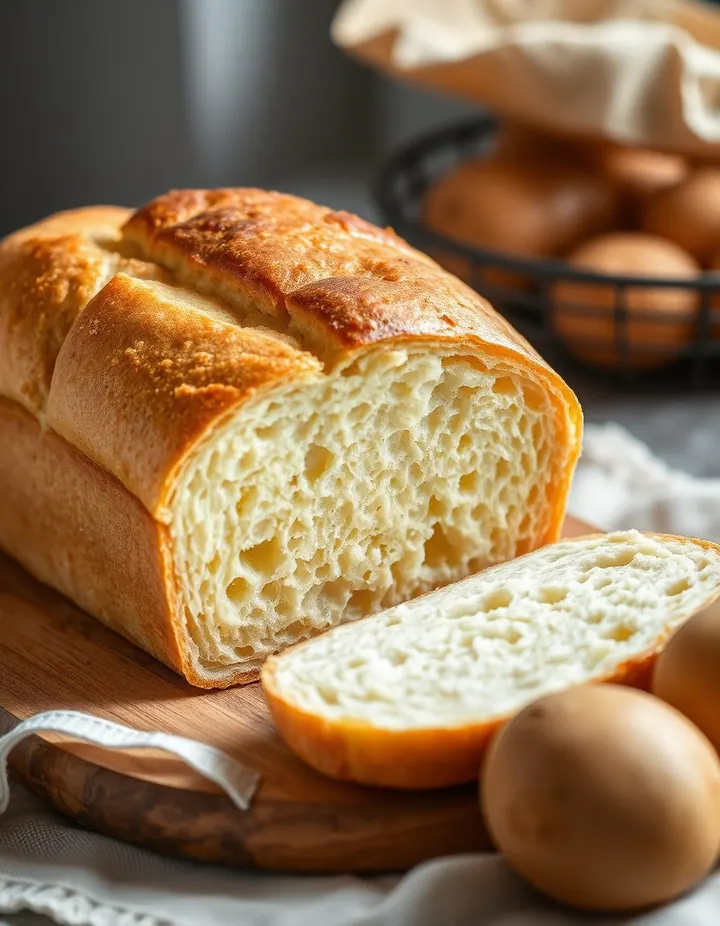 Orange Potato Bread80 recipes
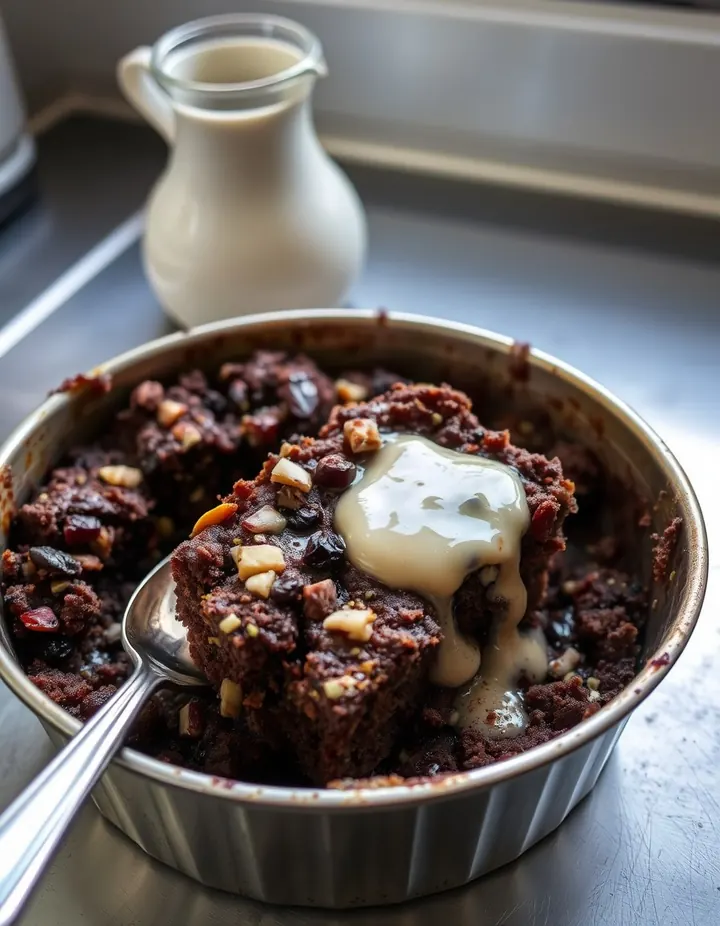 Brown Bread Pudding47 recipes
The free Flavor Lab newsletter: one surprising pairing a week and the molecular reason it works, in 60 seconds. No spam, unsubscribe anytime.
Prefer an account? Create a free account to save pairings and unlock the full chemistry.