Why it works: Celery and pepper match in chemistry and in kitchens. They rank in the top 5% of all ingredient pairs, and 16,012 recipes mention both. Both carry 4'-methylacetophenone, which smells bitter almond. The science ↓
Oyster Salad
Ingredients
Directions
The book gives no cooking times; the times in the steps were added in transcription, so check for doneness rather than trusting the clock.
Prepare the oysters
Remove the gills from the oysters.
Measure the oysters without the liquor.
Add water, salt, and pepper to the oysters.
Cook the oysters until the edges curl, about 2–3 minutes.
Remove the oysters from heat.
Let the oysters cool completely.
Cut the oysters into small pieces.
Assemble the salad
Chop the celery into ½‑inch pieces.
Dice the eggs.
Combine the oysters, celery, and eggs in a dish.
Strain ½ cup of the oyster cooking liquor over the mixture.
Toss the mixture gently with a fork.
Transfer the salad to a serving dish.
Top the salad with mayonnaise dressing.
Make the dressings and serve
Mix 1 cup bottled salad dressing with 3 heaping tablespoons whipped cream.
Pour the mixture over the salad.
Use plain cream instead of whipped cream if you don't have whipped cream.
Mix 3 tablespoons oil with 1½ tablespoons vinegar.
Combine the oil‑vinegar mixture with the salad before adding the dressing.
Garnish with celery or lettuce.
Transcribed from a scanned cookbook and modernised for today's kitchens. Where the book gave no heat or time, or said "a moderate oven", the temperatures and times here may be modern equivalents rather than the book's own figures.
Explore the science
The flavor team
The pairs that carry this dish. Each one is judged two ways: how much aroma chemistry they share, and how many recipes mention both.
-
Celery + peppertop 5% of all pairsAroma overlapstrongMentioned together16,012 recipes
Shared aroma: 4'-methylacetophenone (bitter almond).
-
Oyster + eggtop 14% of all pairsAroma overlapmoderateMentioned together4,103 recipes
Shared aroma: 2-nonenal (fatty, green).
-
Pepper + vinegartop 14% of all pairsAroma overlapmoderateMentioned together27,814 recipes
Shared aroma: 4'-methylacetophenone (bitter almond).
-
Oyster + creamtop 17% of all pairsAroma overlapmoderateMentioned together2,886 recipes
Shared aroma: 1-octen-3-one (mushroom, metallic).
-
Celery + vinegartop 17% of all pairsAroma overlapmoderateMentioned together5,627 recipes
Shared aroma: 4'-methylacetophenone (bitter almond).
Ranks compare each pair with 20,000 random ingredient pairs on CompKitchen. How we score pairs
What each ingredient does
- Oysters
- Form the main body of the salad and supply its briny flavour.
- Hard boiled eggs
- Add richness and a soft, creamy texture to the salad.
- Celery
- Adds crisp texture that contrasts with the soft oysters and eggs.
- Mayonnaise dressing
- Adds fat and moisture, binding the salad and making it rich.
- Whipped cream
- Lightens the bottled dressing, adding fat and a smoother, creamier body.
- Vinegar
- Adds acidity that brightens the flavour and balances the richness.
The step that matters
Cool the oysters completely before combining. Cooking only until the edges curl keeps the oysters tender; adding them warm to the eggs, celery and dressing would soften the salad and thin the dressing.
Flavor stand-ins for the celery
How well each one fits the dish's main ingredients (oyster, egg, pepper, cream, vinegar):
- Tarragonbetter flavor fit
- Parsleyabout as good a flavor fit
- Nutmegabout as good a flavor fit
- Celerythe original
Fit is the average pairing score against oyster, egg, pepper, cream, vinegar. Candidates are from the same food group and used in at least 100 recipes. This compares flavor only: it does not check the job the ingredient does in the dish (bulk, moisture, acidity, structure).
“What each ingredient does” and “The step that matters” were written by Claude from this recipe’s own method and reviewed in samples by CompKitchen.
You might also like
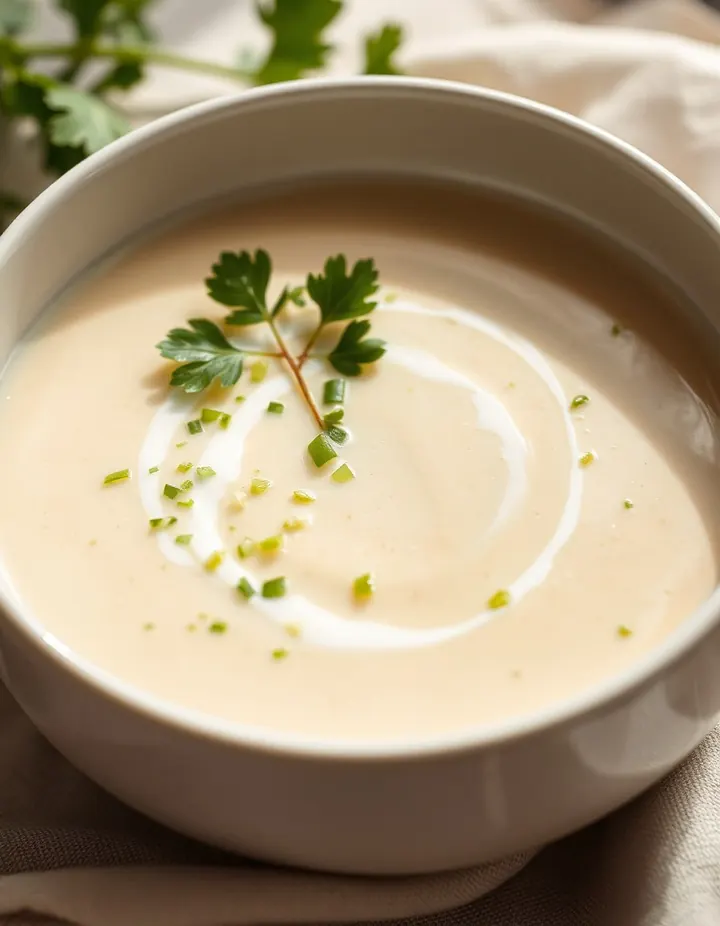 Cream of Celery Soup113 recipes
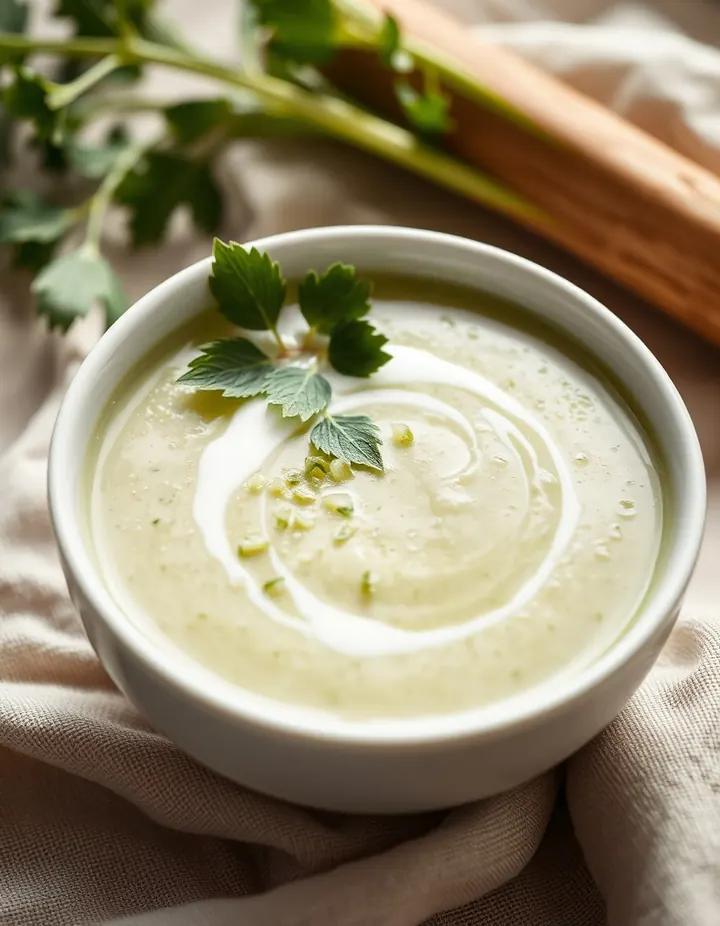 Celery Stew25 recipes
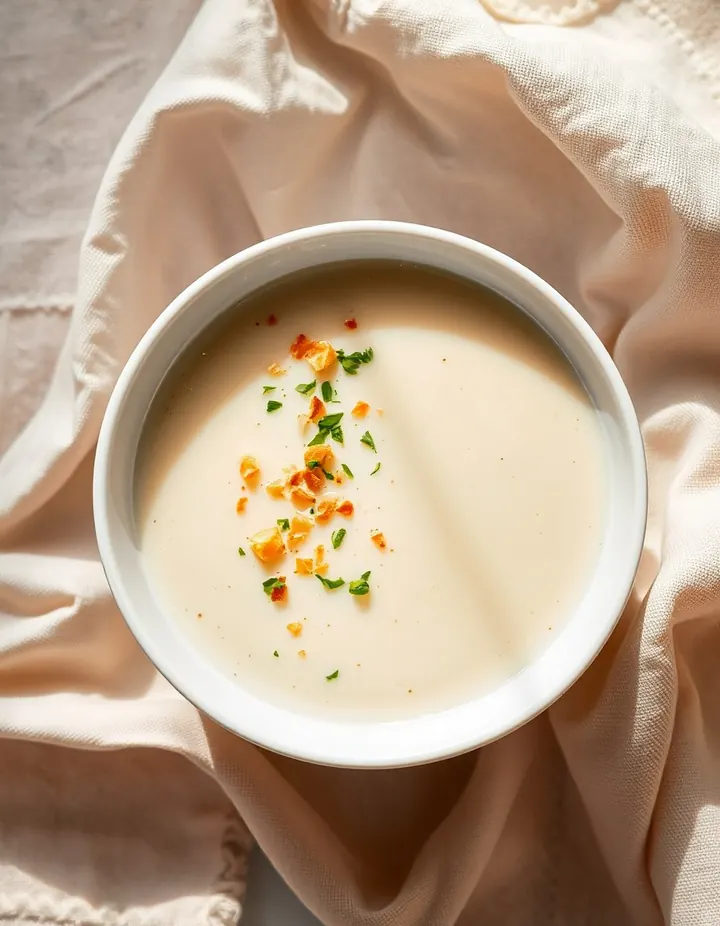 Mock Oyster Soup21 recipes
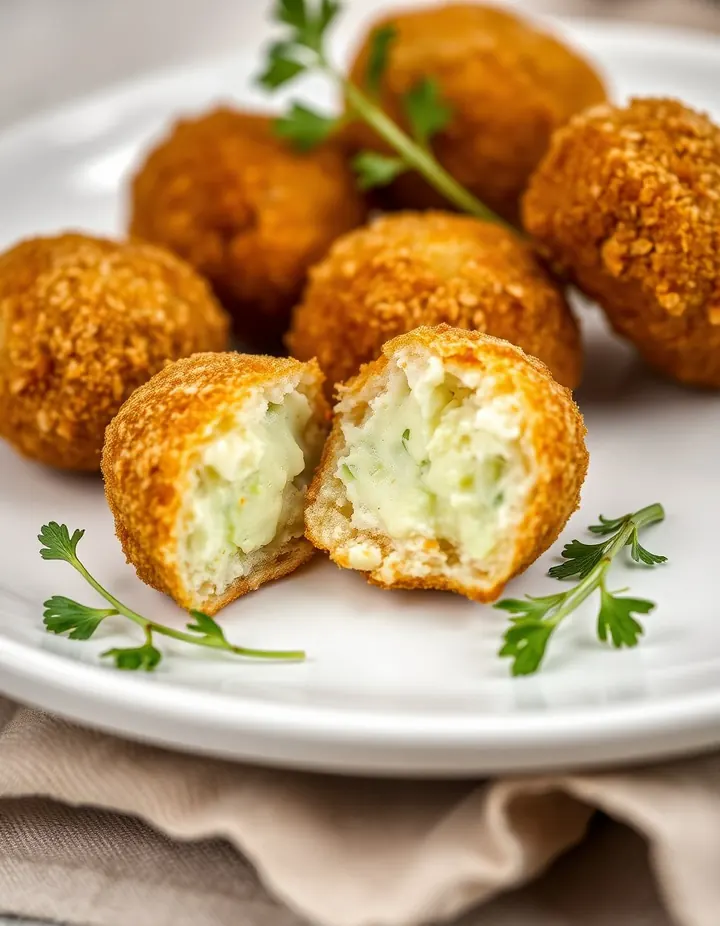 Celery Croquettes16 recipes
The Sunday pairing: one pairing, the chemistry behind it, and how to cook it. No spam, unsubscribe anytime.
Prefer an account? Create a free account for sign-in; Pro adds the full results and chemistry.