Why it works: Banana and apricot match in chemistry and in kitchens. They rank in the top 3% of all ingredient pairs, and cooks put them together in 124 recipes. Both carry 3-methyl-1-butanol acetate, which smells fruity. The science ↓
Banana Charlotte
Ingredients
Directions
The book says “a brisk oven”. The 400°F (200°C) in the steps is the modern equivalent, not the book's own figure.
Prepare the mold
Butter a plain mold or deep pie dish generously.
Cut a thin piece of bread to cover the bottom of the mold, butter both sides, and fit it in.
Cut oblong slices of bread, buttered on both sides, and line the sides of the mold, ensuring they fit closely together.
Prepare the filling
Cut the bananas in half lengthwise, then divide them across, and cut in half lengthwise again.
Place the banana pieces in a dish, pour the rum or liqueur and lemon juice over them, and let them soak for a while.
Sprinkle the soaked bananas with sugar.
Assemble and bake
Layer the banana pieces in the prepared mold, spreading apricot jam on top, and repeat until the mold is full.
Cover the top with slices of bread dipped in clarified butter, fitting them closely together.
Place a tin plate on top with a weight, and bake in a brisk oven at 400°F (200°C) for 45 to 60 minutes.
Serve
Once cooked, drain the butter from the mold, gently turn out onto a dish, and sift sugar over the top.
Transcribed from a scanned cookbook and modernised for today's kitchens. Where the book gave no heat or time, or said "a moderate oven", the temperatures and times here may be modern equivalents rather than the book's own figures.
Explore the science
The flavor team
The pairs that carry this dish. Each one is judged two ways: how much their aromas overlap, and how often cooks already put them together.
-
Banana + apricottop 3% of all pairsSmell alikestrongCooked together124 recipes
Shared aroma: 3-methyl-1-butanol acetate (fruity).
-
Banana + rumtop 4% of all pairsSmell alikemoderateCooked together183 recipes
Shared aroma: ethyl isobutyrate (fruity, ethereal).
-
Bread + buttertop 7% of all pairsSmell alikemoderateCooked together27,232 recipes
Shared aroma: delta-decalactone (sweet, creamy).
-
Apricot + rumtop 8% of all pairsSmell alikemoderateCooked together149 recipes
Shared aroma: ethyl isobutyrate (fruity, ethereal).
-
Rum + buttertop 13% of all pairsSmell alikemoderateCooked together1,007 recipes
Shared aroma: delta-decalactone (sweet, creamy).
Ranks compare each pair with 20,000 random ingredient pairs on CompKitchen. How we score pairs
What each ingredient does
- Bananas
- Provide the main soft filling and sweetness that sets against the bread.
- Bread
- Forms the structure of the mold and absorbs butter so the shape holds when turned out.
- Apricot jam
- Adds fruity sweetness and moisture between the banana layers.
- Rum or liqueur
- Adds aroma and flavor to the soaked bananas.
- Butter
- Adds fat that browns the bread and keeps the crust crisp and rich.
- Caster sugar
- Sweetens the bananas and helps them caramelize slightly during baking.
The step that matters
Fitting the bread closely in the mold. Bread that is loosely fitted leaves gaps that let the soft filling escape or collapse, so the charlotte may not hold its shape when turned out. Tight fitting and well-buttered bread browns evenly and gives a firm outer case.
Swap the lemon
How well each one fits the dish's main ingredients (banana, apricot, bread, sugar, rum, butter):
- Vanillafits better
- Pineapplefits better
- Figfits better
- Lemonthe original
Fit is the average pairing score against banana, apricot, bread, sugar, rum, butter. Candidates are from the same food group and used in at least 100 recipes.
“What each ingredient does” and “The step that matters” were written by Claude from this recipe’s own method and reviewed in samples by CompKitchen.
You might also like
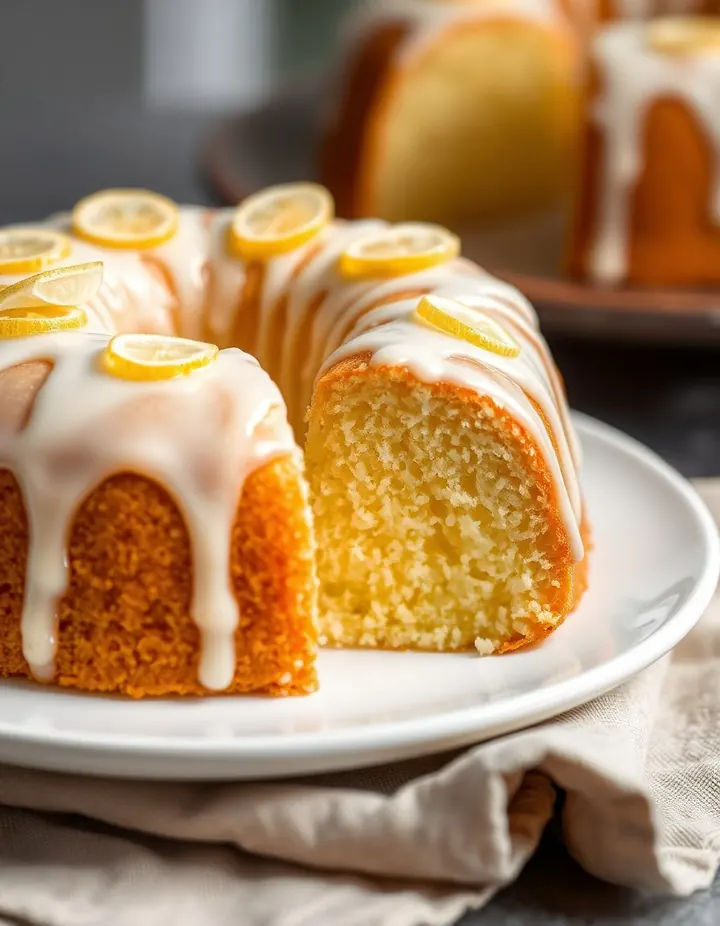 Lemon Cake228 recipes
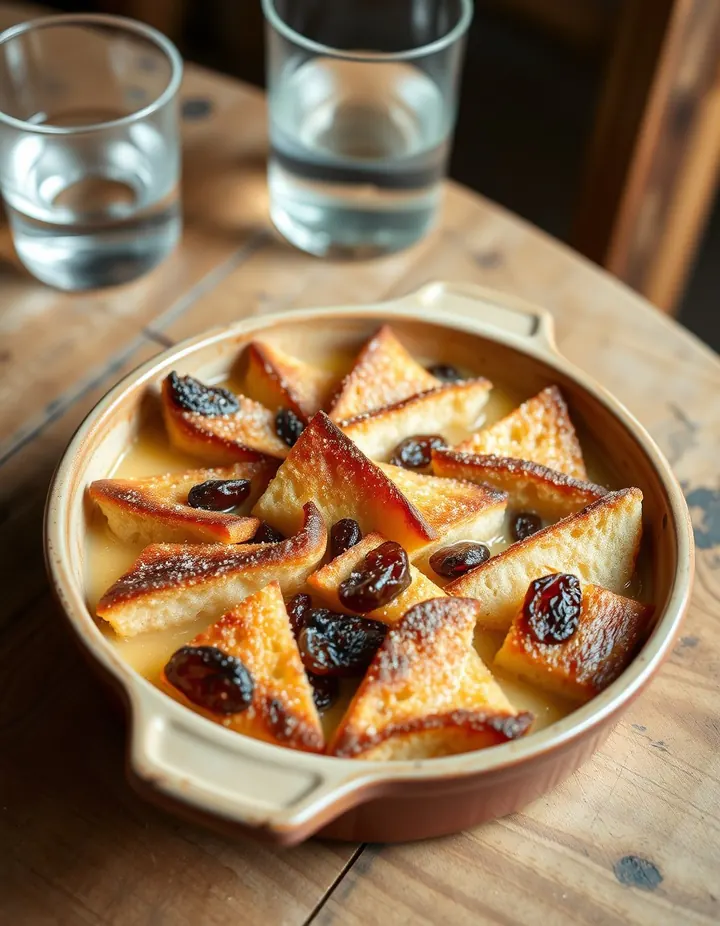 Bread Pudding153 recipes
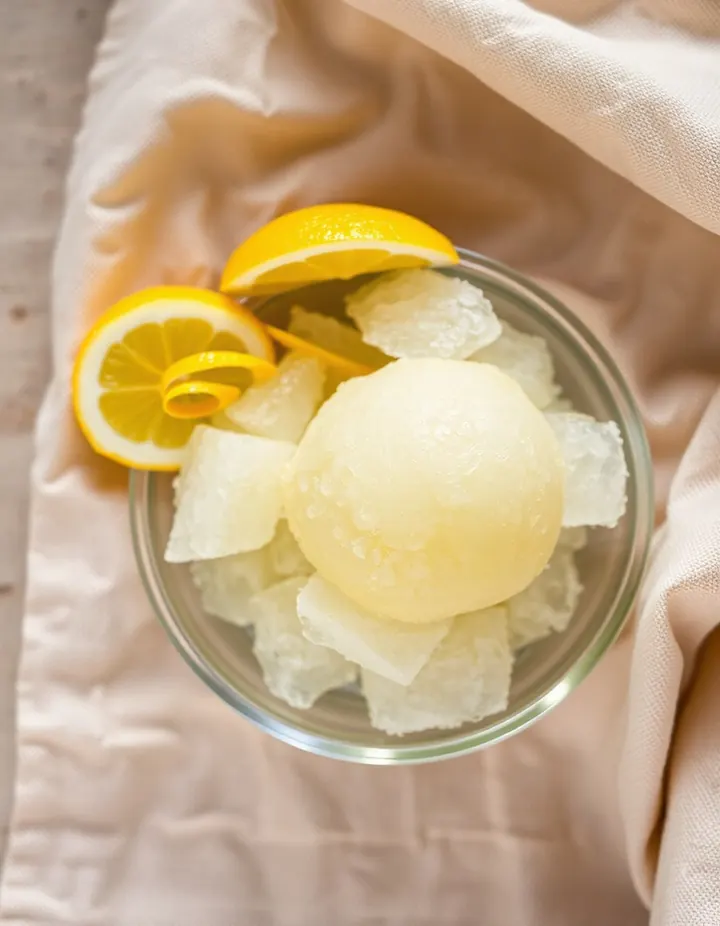 Lemon Ice147 recipes
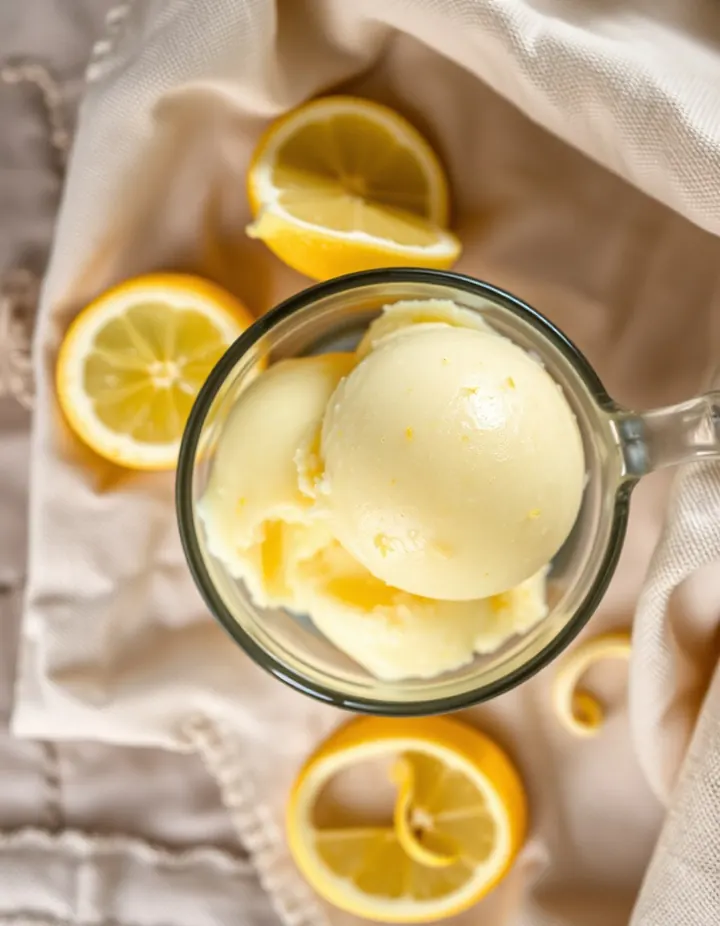 Lemon Sherbet103 recipes
The free Flavor Lab newsletter: one surprising pairing a week and the molecular reason it works, in 60 seconds. No spam, unsubscribe anytime.
Prefer an account? Create a free account to save pairings and unlock the full chemistry.