Why it works: Lemon and rice are a kitchen classic. They rank in the top 12% of all ingredient pairs, and cooks put them together in 4,366 recipes. Both carry (e,e)-2,4-decadienal, which smells fatty, deep fried. The science ↓
Cold Sweet Entremets
Ingredients
Directions
The book says “a moderate oven”. The 350°F (175°C) in the steps is the modern equivalent, not the book's own figure.
Make the tartlet shells
Preheat the oven to 350°F (175°C).
Make a paste with flour, icing sugar, lemon juice, butter, and egg white.
Roll the paste out thinly.
Line 12 to 18 small boat-shaped molds with the paste.
Fill the molds with small strawberries.
Sprinkle the strawberries with sugar.
Bake the filled molds until done.
Once cooled, coat the tartlets with strawberry jelly.
Cut rice paper into sails.
Place one sail on each tartlet.
Make the meringue strips
Roll out puff pastry to ⅛ inch thick and 4 inches wide.
Bake the puff pastry strips until done.
Spread meringue made from whisked egg whites and caster sugar mixed with small strawberries over the baked strips.
Cut the meringue-covered strips into even slices with a wet knife.
Bake the slices again for 20 minutes in a 300°F (150°C) oven.
Serve hot or cold.
Transcribed from a scanned cookbook and modernised for today's kitchens. Where the book gave no heat or time, or said "a moderate oven", the temperatures and times here may be modern equivalents rather than the book's own figures.
Explore the science
The flavor team
The pairs that carry this dish. Each one is judged two ways: how much their aromas overlap, and how often cooks already put them together.
-
Lemon + ricetop 12% of all pairsSmell alikemoderateCooked together4,366 recipes
Shared aroma: (e,e)-2,4-decadienal (fatty, deep fried).
-
Flour + buttertop 12% of all pairsSmell alikelowCooked together124,287 recipes
Shared aroma: isobutyraldehyde (malty, green).
-
Flour + sugartop 15% of all pairsSmell alikemoderateCooked together92,116 recipes
Shared aroma: phenylacetaldehyde (hawthorne, honey).
-
Butter + strawberrytop 15% of all pairsSmell alikemoderateCooked together1,149 recipes
Shared aroma: 3-hexenal (apple, fruity).
-
Strawberry + ricetop 15% of all pairsSmell alikemoderateCooked together136 recipes
Shared aroma: 2,4-decadienal (seaweed).
Flour and butter barely smell alike, yet cooks put them together in 124,287 recipes: they work on texture and structure more than aroma.
Ranks compare each pair with 20,000 random ingredient pairs on CompKitchen. How we score pairs
What each ingredient does
- Flour
- Forms the structure of the paste that holds the boat-shaped tartlet shell.
- Butter
- Adds fat and richness, making the shell tender and flaky as it bakes.
- Egg whites
- Whisked into meringue, they trap air to give the topping a light, airy structure.
- Caster sugar
- Dissolves into the whisked egg whites to stabilise the meringue and add sweetness.
- Strawberry jelly
- Glazes the cooled tartlets, adding sweetness, shine and fruity flavour.
The step that matters
Spreading and slicing the meringue strips. Meringue is delicate and can crack or weep if overbaked. Cutting with a wet knife keeps the slices clean, and rebaking at a low temperature dries them without browning.
Swap the strawberry
How well each one fits the dish's main ingredients (flour, sugar, lemon, butter, egg, rice):
- Raisinfits better
- Vanillafits better
- Coconutfits better
- Strawberrythe original
Fit is the average pairing score against flour, sugar, lemon, butter, egg, rice. Candidates are from the same food group and used in at least 100 recipes.
“What each ingredient does” and “The step that matters” were written by Claude from this recipe’s own method and reviewed in samples by CompKitchen.
You might also like
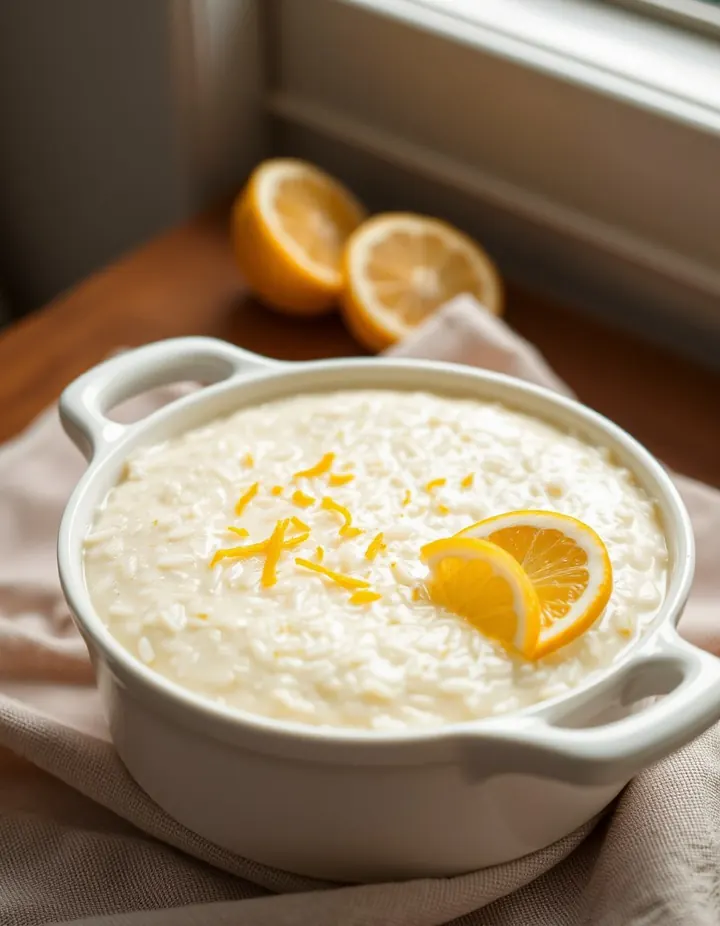 Lemon Rice Pudding19 recipes
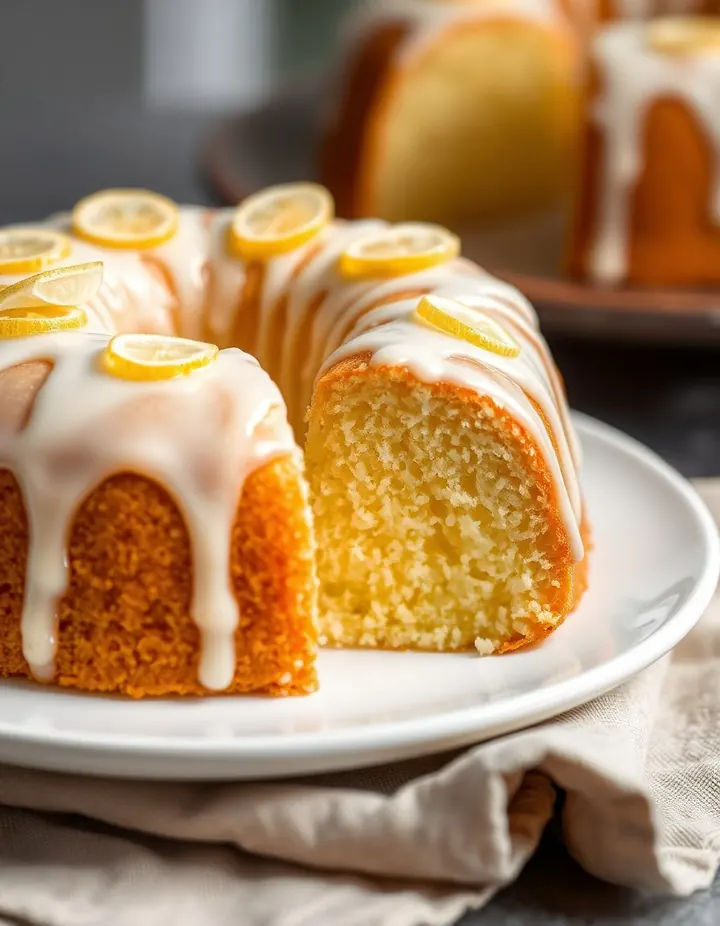 Lemon Cake228 recipes
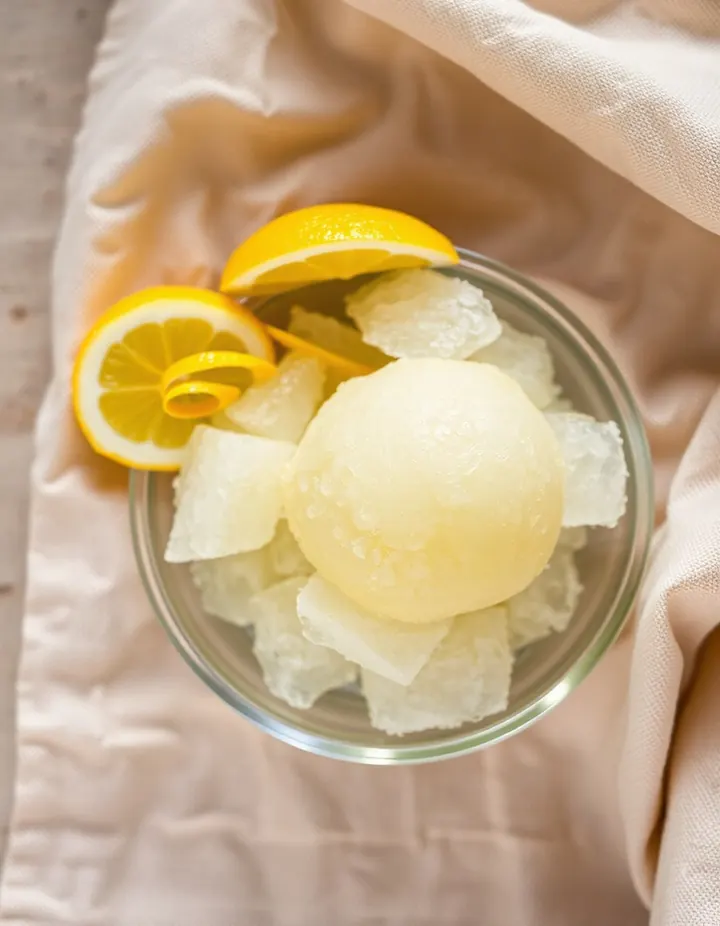 Lemon Ice147 recipes
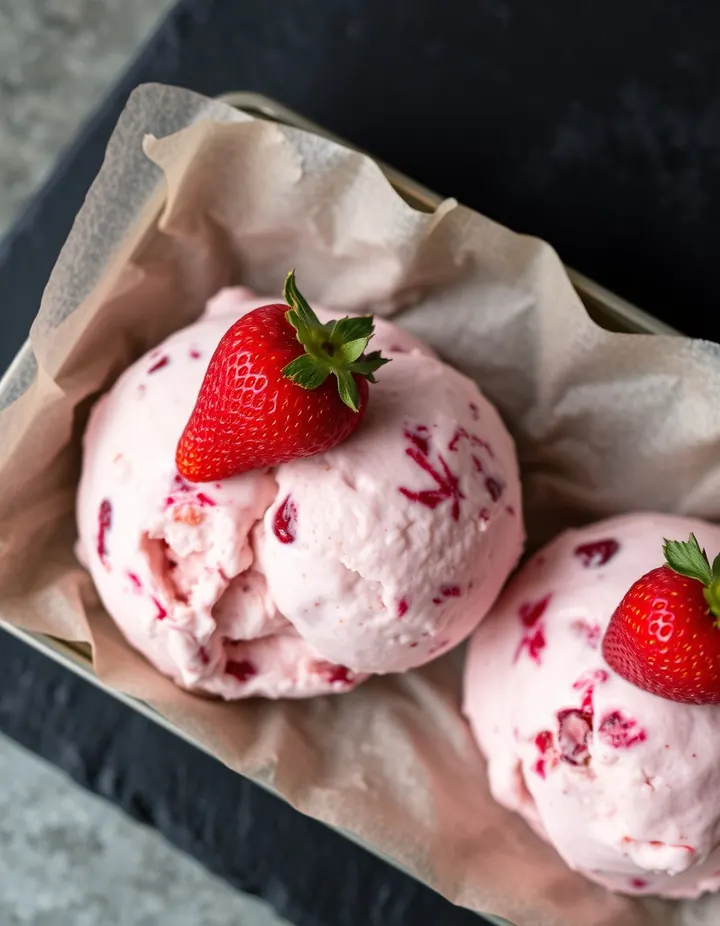 Strawberry Ice Cream122 recipes
The free Flavor Lab newsletter: one surprising pairing a week and the molecular reason it works, in 60 seconds. No spam, unsubscribe anytime.
Prefer an account? Create a free account to save pairings and unlock the full chemistry.