Why it works: Peach and apricot match in chemistry and in kitchens. They rank in the top 1% of all ingredient pairs, and cooks put them together in 342 recipes. Both carry delta-dodecalactone, which smells sweet, creamy. The science ↓
Crust with Peaches
Ingredients
Directions
The book says “a slack oven”. The 300°F (150°C) in the steps is the modern equivalent, not the book's own figure.
Prepare the peaches
Divide peaches in half and remove stones.
Plunge peaches into boiling water for a few moments, then drain and remove skins.
In a flat stewpan, moisten peaches with syrup mixed with kirschwasser.
Make the purée
Prepare ½ cup of purée with small peaches and the same volume of syrup.
Boil the purée and thicken with diluted potato flour, then strain.
Add ¼ cup of kirschwasser and a stick of vanilla; keep warm in a bain‑marie.
Bake and assemble
Spread tartlet paste in a mold, line with buttered paper, and bake in a 300°F (150°C) oven.
Remove paper, coat the bottom and sides with apricot marmalade.
Warm the peaches without boiling, drain, and arrange in a pyramid shape within the crust.
Coat peaches with marmalade using a pastry brush and adorn with preserved fruit.
Sprinkle with kirsch mixed with syrup and serve with peach purée in a sauceboat.
Transcribed from a scanned cookbook and modernised for today's kitchens. Where the book gave no heat or time, or said "a moderate oven", the temperatures and times here may be modern equivalents rather than the book's own figures.
Explore the science
The flavor team
The pairs that carry this dish. Each one is judged two ways: how much their aromas overlap, and how often cooks already put them together.
-
Peach + apricottop 1% of all pairsSmell alikestrongCooked together342 recipes
Shared aroma: delta-dodecalactone (sweet, creamy).
-
Peach + vanillatop 1% of all pairsSmell alikestrongCooked together558 recipes
Shared aroma: beta-damascenone (apple, rose).
-
Vanilla + apricottop 2% of all pairsSmell alikestrongCooked together608 recipes
Shared aroma: 4-methoxybenzaldehyde (sweet, anise).
-
Syrup + sugartop 6% of all pairsSmell alikestrongCooked together5,842 recipes
Shared aroma: ethanol (alcoholic, ethereal).
-
Vanilla + sugartop 8% of all pairsSmell alikelowCooked together35,032 recipes
Shared aroma: beta-damascenone (apple, rose).
Vanilla and sugar barely smell alike, yet cooks put them together in 35,032 recipes: they work on texture and structure more than aroma.
Ranks compare each pair with 20,000 random ingredient pairs on CompKitchen. How we score pairs
What each ingredient does
- Peaches
- Provide the main fruit flavour and form the visible pyramid topping of the tart.
- Potato flour
- Thickens the purée into a smooth, spoonable sauce as it boils.
- Apricot marmalade
- Gives a glossy coating and a sweet, fruity layer that seals the crust.
- Tartlet paste
- Forms the crisp baked shell that holds the peaches and marmalade.
- Kirschwasser
- Adds a cherry-like aroma that enhances the flavour of the peaches.
The step that matters
Warming the peaches without boiling. Boiling softens peach flesh until it collapses and turns mushy, so the fruit loses its shape in the pyramid. Gentle warming keeps the halves firm and intact.
Swap the potato
How well each one fits the dish's main ingredients (peach, syrup, flour, vanilla, apricot, sugar):
- Arrowrootfits better
- Sweet potatofits better
- Beetrootfits better
- Potatothe original
Fit is the average pairing score against peach, syrup, flour, vanilla, apricot, sugar. Candidates are from the same food group and used in at least 100 recipes.
“What each ingredient does” and “The step that matters” were written by Claude from this recipe’s own method and reviewed in samples by CompKitchen.
You might also like
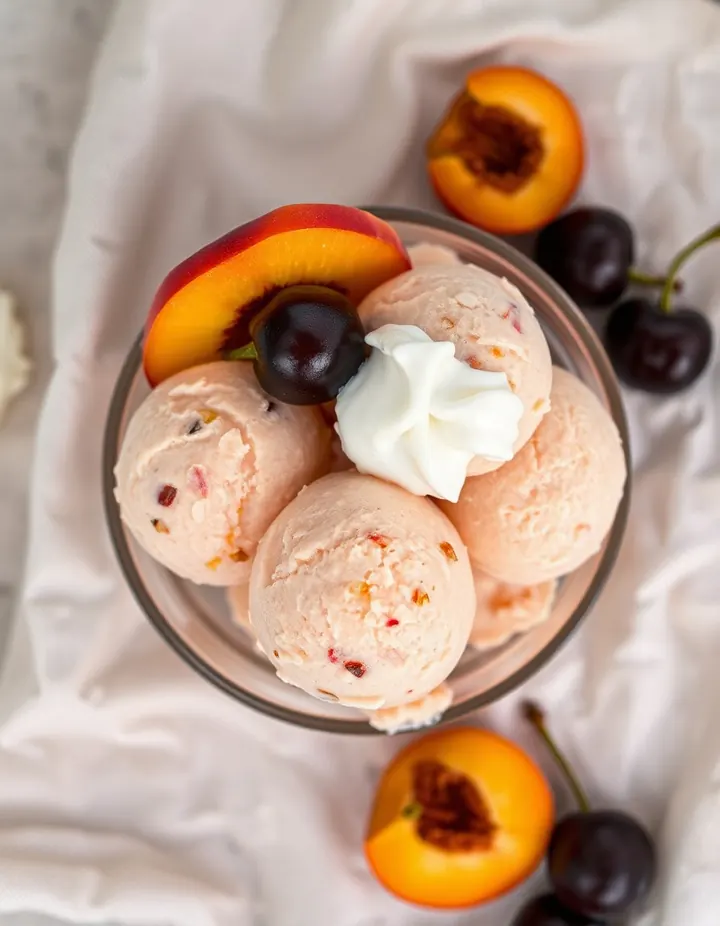 Mixed Fruit Sherbet6 recipes
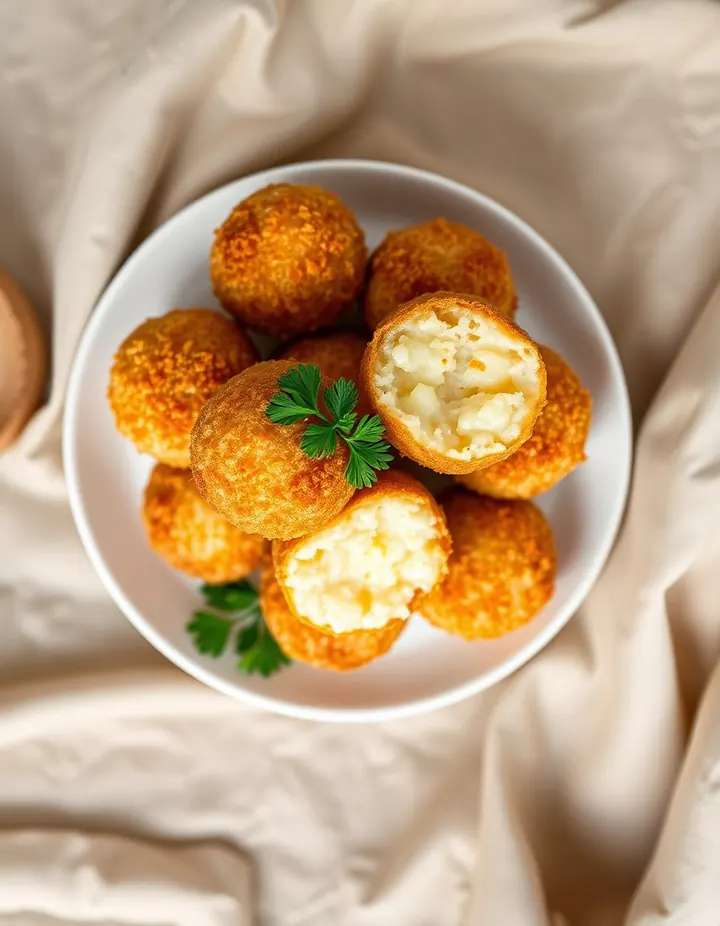 Deep-Fried Potato Balls119 recipes
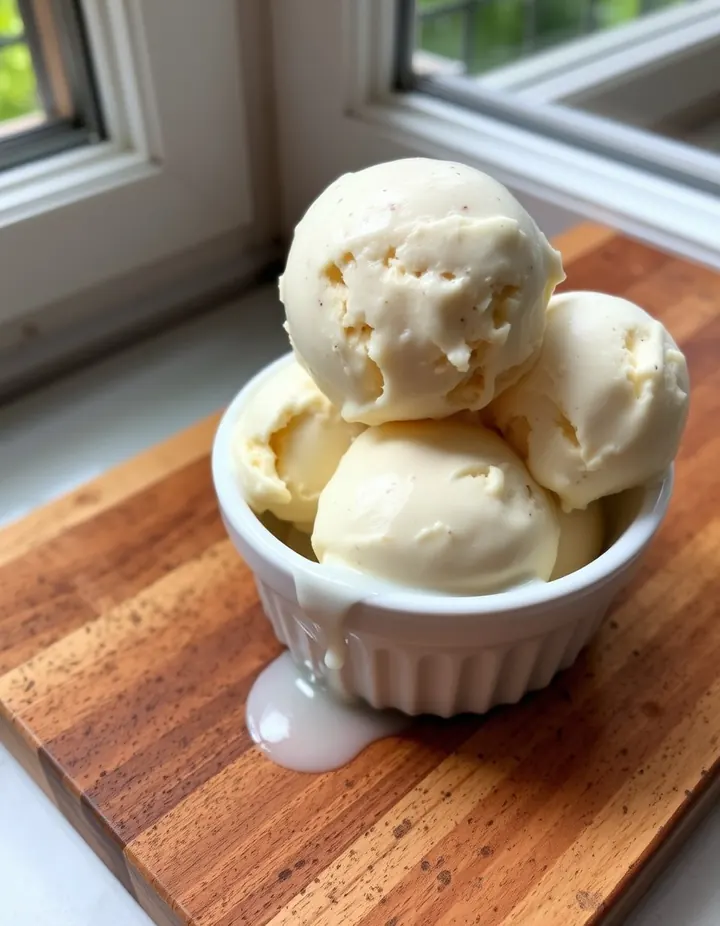 Vanilla Ice Cream108 recipes
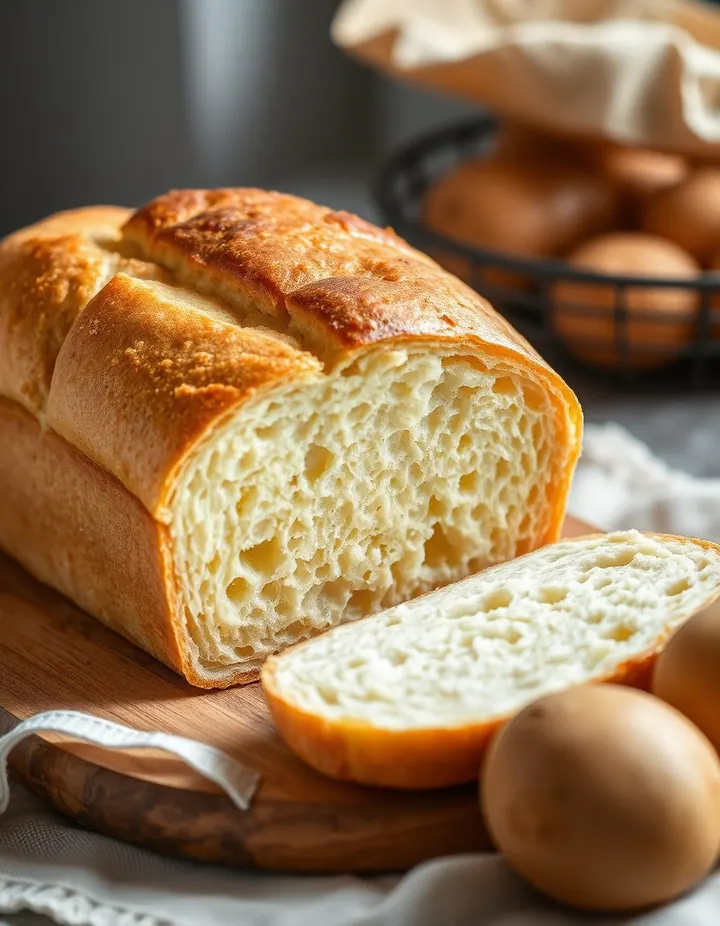 Orange Potato Bread80 recipes
The free Flavor Lab newsletter: one surprising pairing a week and the molecular reason it works, in 60 seconds. No spam, unsubscribe anytime.
Prefer an account? Create a free account to save pairings and unlock the full chemistry.