Why it works: Onion and garlic match in chemistry and in kitchens. They rank in the top 1% of all ingredient pairs, and 29,058 recipes mention both. Both carry furaneol, which smells caramel, strawberry. The science ↓
Pigeons Aux Petits Pois
Ingredients
Directions
Prepare the pigeons
Prepare the pigeons by returning their livers into their bodies and trussing them with legs inside.
Pick and sear the pigeons, then place a bit of butter in a stewpan.
Let the pigeons stiffen in the butter, then remove them.
Make the ragout
Cut the petit lard into large dice and steep it for half an hour.
Pass the lard in the butter to give it a nice color, then drain it.
Add 1 tablespoon of flour to the butter to make a roux, keeping it very white.
Return the pigeons and lard to the roux, turning them to coat.
Moisten gradually with bouillon until it reaches a sauce consistency, then bring to a boil.
Season with parsley, young onions, bay leaf, garlic, and clove.
Simmer and serve
Simmer the mixture, and when half done, add 1 quart of young peas, shaking often.
If the sauce is too thin when done, drain the pigeons and reduce the sauce.
If needed, add a little salt, skim, and dish the pigeons, masking them with the ragout of peas and petit lard.
Transcribed from a scanned cookbook and modernised for today's kitchens. Where the book gave no heat or time, or said "a moderate oven", the temperatures and times here may be modern equivalents rather than the book's own figures.
Explore the science
The flavor team
The pairs that carry this dish. Each one is judged two ways: how much aroma chemistry they share, and how many recipes mention both.
-
Onion + garlictop 1% of all pairsAroma overlapstrongMentioned together29,058 recipes
Shared aroma: furaneol (caramel, strawberry).
-
Parsley + garlictop 4% of all pairsAroma overlapstrongMentioned together9,308 recipes
Shared aroma: beta-phellandrene (minty, terpene).
-
Parsley + clovetop 6% of all pairsAroma overlapstrongMentioned together6,768 recipes
Shared aroma: cuminaldehyde (Spicy, cumin).
-
Parsley + oniontop 9% of all pairsAroma overlapmoderateMentioned together25,843 recipes
Shared aroma: 2,4-decadienal (seaweed).
-
Clove + garlictop 10% of all pairsAroma overlapmoderateMentioned together11,368 recipes
Shared aroma: linalool (floral, citrus).
Ranks compare each pair with 20,000 random ingredient pairs on CompKitchen. How we score pairs
What each ingredient does
- Pigeons
- Provide the main meat, which is seared and then gently braised in the sauce.
- Butter
- Carries the searing and browning of the pigeons and lard, adding richness and flavor.
- Petit lard (bacon)
- Adds savory, salty fat and flavor to the sauce and ragout.
- Flour
- Thickens the sauce into a roux with the butter.
- Bouillon (broth)
- Forms the liquid that becomes the sauce as it reduces and thickens.
- Young peas
- Add sweetness and fresh texture to the finished ragout.
The step that matters
Keeping the roux very white. Cooking the flour and butter only briefly keeps the roux pale, so it thickens without browning or tasting toasted. Lumps are avoided by adding the bouillon gradually while stirring.
Flavor stand-ins for the peas
How well each one fits the dish's main ingredients (butter, flour, parsley, onion, clove, garlic):
- Chickpeabetter flavor fit
- Lentilsbetter flavor fit
- Cashew nutbetter flavor fit
- Peasthe original
Fit is the average pairing score against butter, flour, parsley, onion, clove, garlic. Candidates are from the same food group and used in at least 100 recipes. This compares flavor only: it does not check the job the ingredient does in the dish (bulk, moisture, acidity, structure).
“What each ingredient does” and “The step that matters” were written by Claude from this recipe’s own method and reviewed in samples by CompKitchen.
You might also like
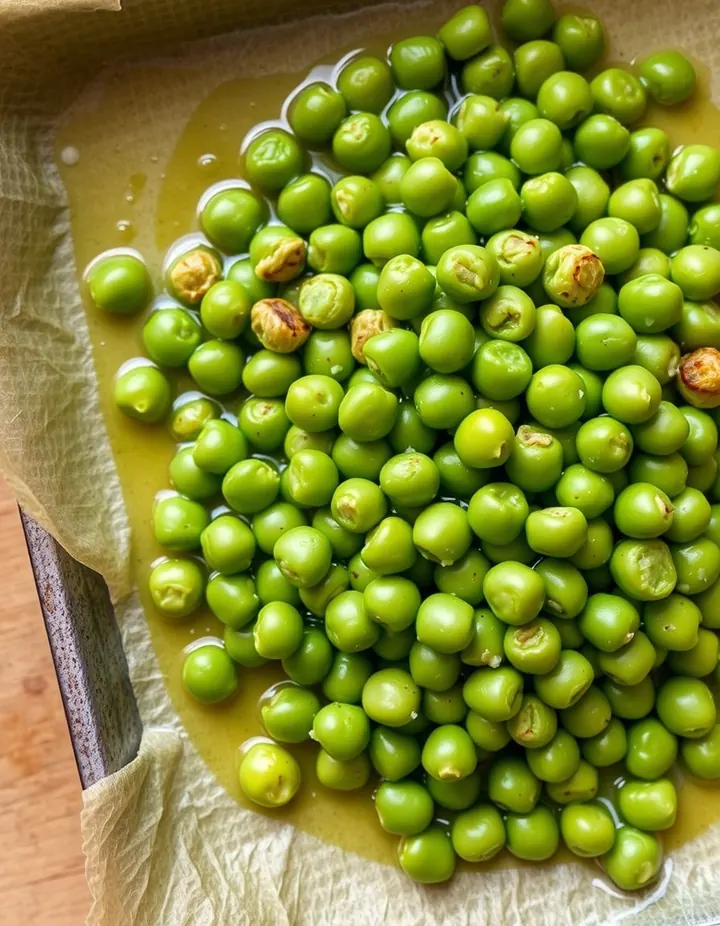 Green Peas229 recipes
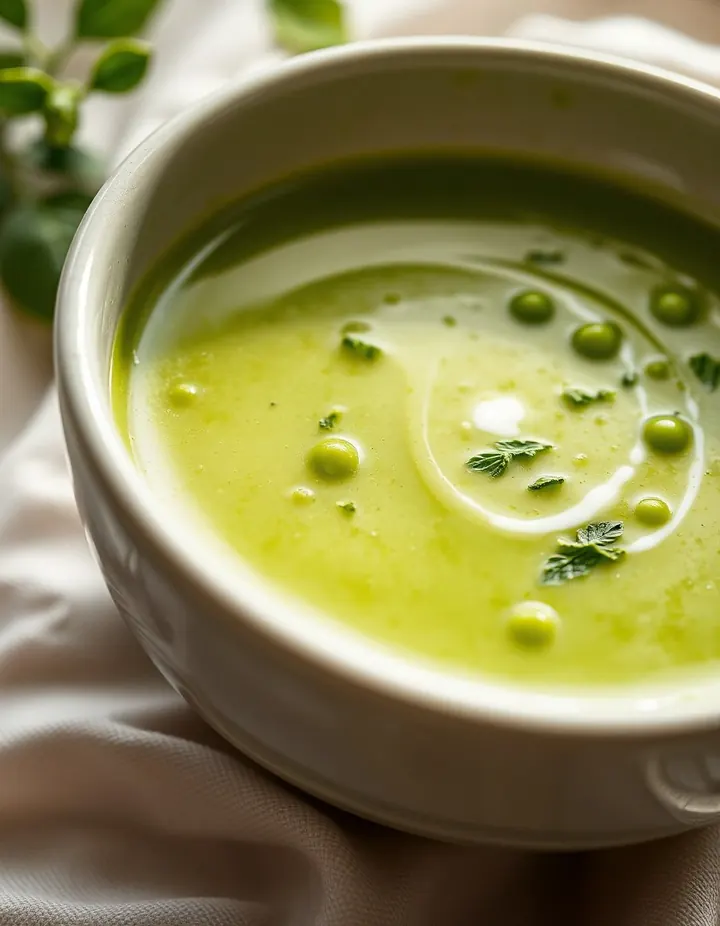 Green Peas Soup35 recipes
 Tomato Soup526 recipes
 Brown Bread461 recipes
The Sunday pairing: one pairing, the chemistry behind it, and how to cook it. No spam, unsubscribe anytime.
Prefer an account? Create a free account for sign-in; Pro adds the full results and chemistry.