Why it works: Sugar and syrup match in chemistry and in kitchens. They rank in the top 6% of all ingredient pairs, and cooks put them together in 5,842 recipes. Both carry ethanol, which smells alcoholic, ethereal. The science ↓
Fruit Custard Fritters
Ingredients
Directions
The book says “a moderate oven”. The 350°F (175°C) in the steps is the modern equivalent, not the book's own figure.
Make the syrup
Combine the fruit with 1 pound of granulated sugar in a pot.
Boil until the sugar dissolves and the juice runs freely.
Strain the syrup.
Cool the syrup.
Make the custard
Mix ½ cup of fruit syrup, ½ cup of milk, and 1 pound of granulated sugar with an egg whip.
Add 6 eggs one at a time, beating constantly.
Strain the mixture into a shallow dish.
Place the dish in a pan of hot water and bake in a 350°F (175°C) oven.
Test for doneness with a knife; it should not stick.
Cool the custard in the dish.
Fry and serve
Turn the custard out onto a board covered with fine bread crumbs.
Cut the custard into pieces about 2 inches long and 1 inch wide.
Roll the pieces in bread crumbs.
Dip the pieces in beaten egg.
Roll the pieces in crumbs again.
Heat fat in a frying kettle.
Fry the fritters until golden brown.
Drain the fritters on brown paper.
Dust the fritters with powdered sugar before serving hot.
Transcribed from a scanned cookbook and modernised for today's kitchens. Where the book gave no heat or time, or said "a moderate oven", the temperatures and times here may be modern equivalents rather than the book's own figures.
Explore the science
The flavor team
The pairs that carry this dish. Each one is judged two ways: how much their aromas overlap, and how often cooks already put them together.
-
Sugar + syruptop 6% of all pairsSmell alikestrongCooked together5,842 recipes
Shared aroma: ethanol (alcoholic, ethereal).
-
Milk + breadtop 11% of all pairsSmell alikemoderateCooked together11,466 recipes
Shared aroma: 2-undecenal (sweet).
-
Egg + breadtop 13% of all pairsSmell alikemoderateCooked together22,662 recipes
Shared aroma: (e)-2-octenal (fatty, green).
-
Milk + eggtop 18% of all pairsSmell alikemoderateCooked together88,785 recipes
Shared aroma: 2-nonenal (fatty, green).
-
Sugar + milktop 18% of all pairsSmell alikelowCooked together77,875 recipes
Shared aroma: 2-nonenal (fatty, green).
Sugar and milk barely smell alike, yet cooks put them together in 77,875 recipes: they work on texture and structure more than aroma.
Ranks compare each pair with 20,000 random ingredient pairs on CompKitchen. How we score pairs
What each ingredient does
- Eggs
- Set the custard into a firm, sliceable structure as they cook.
- Granulated sugar
- Sweetens the custard and helps form the syrup that gives body and flavor.
- Milk
- Adds moisture and richness, giving the custard a soft, tender texture.
- Fruit syrup
- Adds fruit flavor and sweetness while keeping the custard moist.
- Fine bread crumbs
- Form a crisp, golden coating that browns when the fritters are fried.
The step that matters
Bake the custard gently in a water bath. Eggs set into a smooth, tender custard when heated gently. Too much heat makes them curdle, puff, or crack, and the knife test shows when the centre is just set.
“What each ingredient does” and “The step that matters” were written by Claude from this recipe’s own method and reviewed in samples by CompKitchen.
You might also like
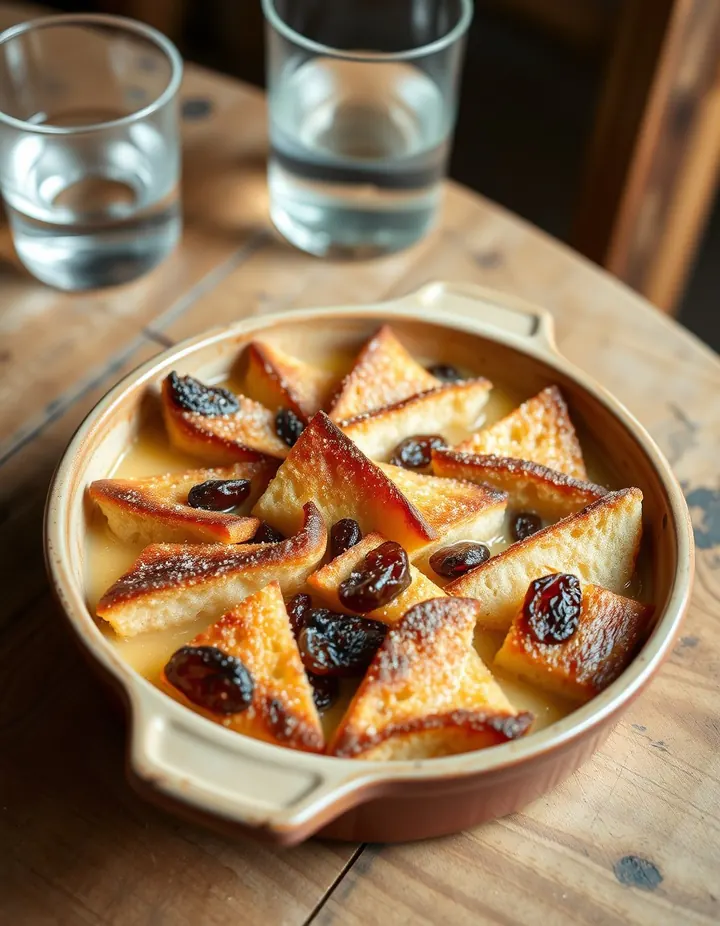 Bread Pudding153 recipes
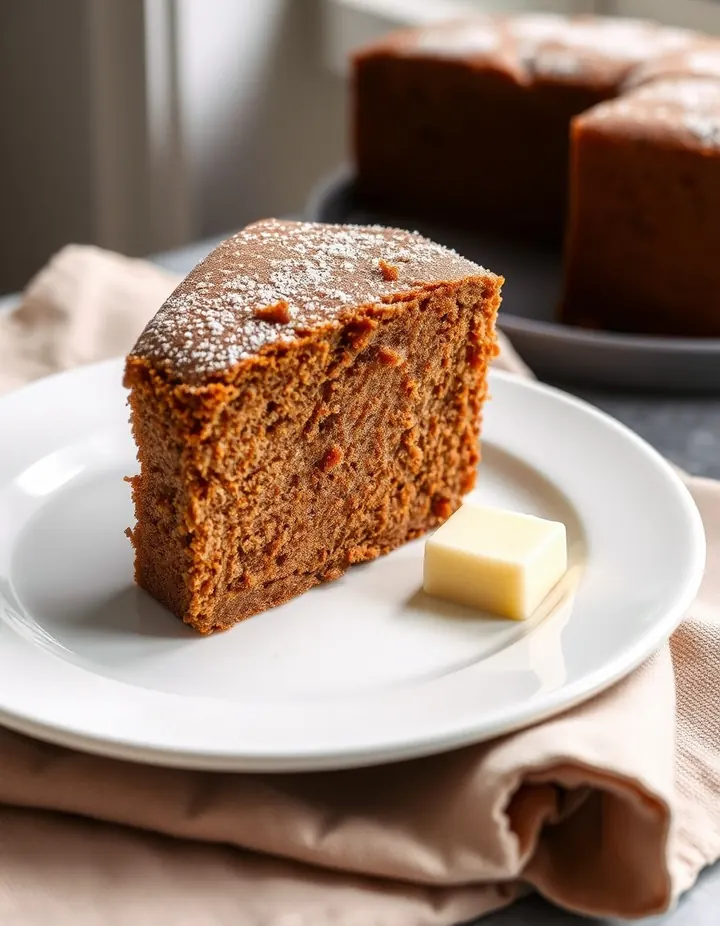 Soft Ginger Bread85 recipes
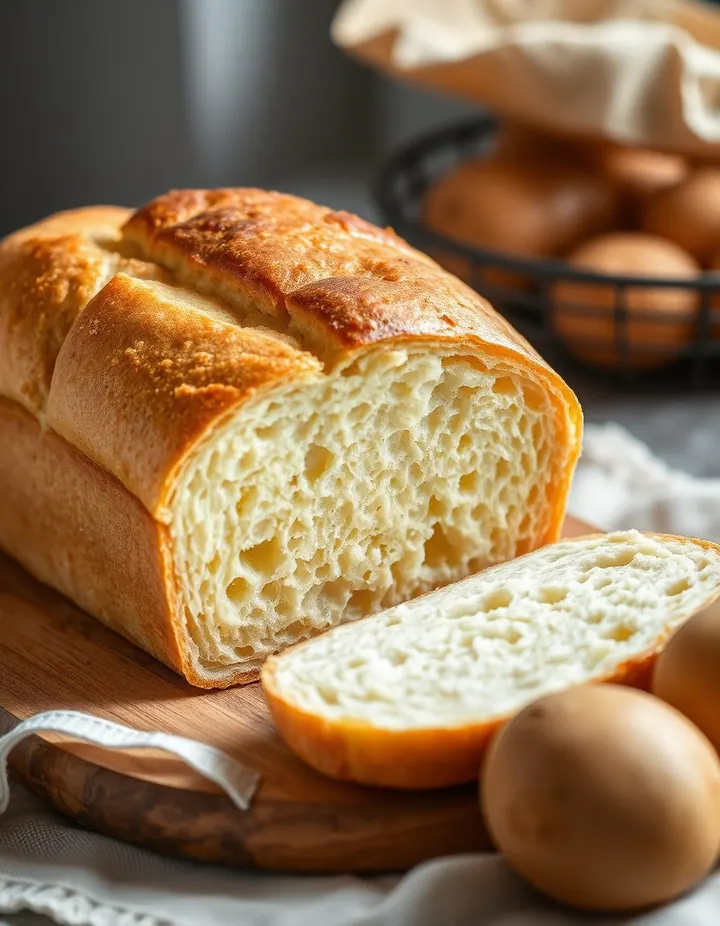 Orange Potato Bread80 recipes
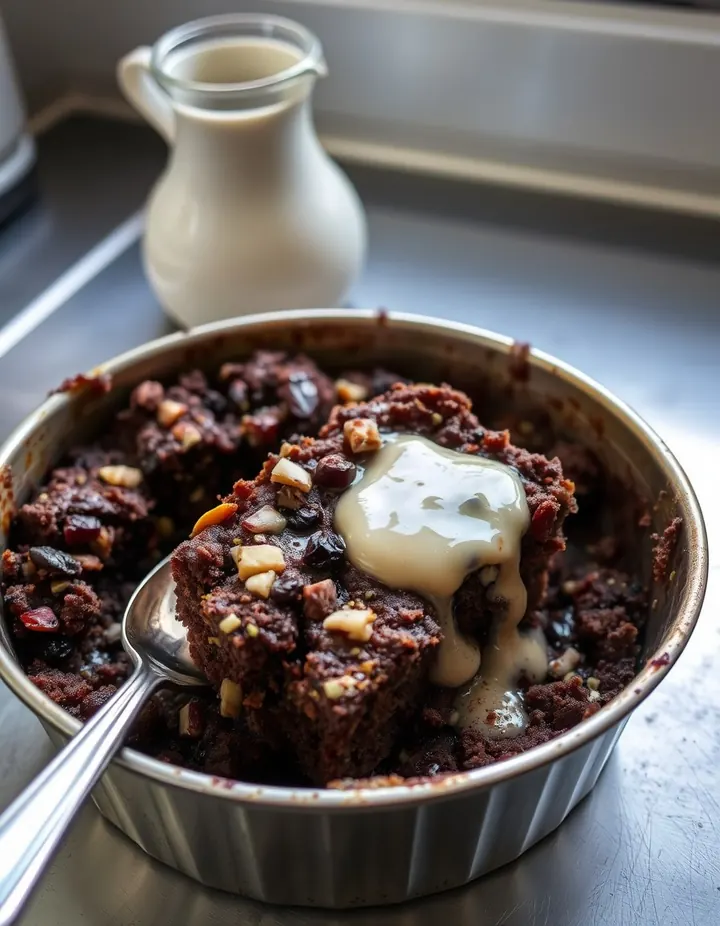 Brown Bread Pudding47 recipes
The free Flavor Lab newsletter: one surprising pairing a week and the molecular reason it works, in 60 seconds. No spam, unsubscribe anytime.
Prefer an account? Create a free account to save pairings and unlock the full chemistry.