Why it works: Pepper and celery match in chemistry and in kitchens. They rank in the top 5% of all ingredient pairs, and 16,012 recipes mention both. Both carry 4'-methylacetophenone, which smells bitter almond. The science ↓
Oysters Stewed with Milk
Ingredients
Directions
Stew the oysters
Pat the oysters with their own liquor and milk in a stew pan.
If desired, add a blade of mace.
Set over the fire and remove any scum that rises.
Finish and serve
When the oysters are plump and white, turn them into a deep plate.
Add butter and pepper to taste.
Serve with crackers and dressed celery.
Transcribed from a scanned cookbook and modernised for today's kitchens. Where the book gave no heat or time, or said "a moderate oven", the temperatures and times here may be modern equivalents rather than the book's own figures.
Explore the science
The flavor team
The pairs that carry this dish. Each one is judged two ways: how much aroma chemistry they share, and how many recipes mention both.
-
Pepper + celerytop 5% of all pairsAroma overlapstrongMentioned together16,012 recipes
Shared aroma: 4'-methylacetophenone (bitter almond).
-
Milk + buttertop 7% of all pairsAroma overlapmoderateMentioned together81,283 recipes
Shared aroma: (z)-4-heptenal (biscuit, cream).
-
Oyster + buttertop 12% of all pairsAroma overlapmoderateMentioned together8,184 recipes
Shared aroma: 2,6-nonadienal (cucumber, green).
-
Mace + peppertop 16% of all pairsAroma overlaplowMentioned together12,257 recipes
Shared aroma: myristicin (spice, warm).
-
Mace + celerytop 17% of all pairsAroma overlapmoderateMentioned together2,769 recipes
Shared aroma: myristicin (spice, warm).
Mace and pepper share little aroma chemistry, yet 12,257 recipes mention both: they likely work on texture and structure more than aroma.
Ranks compare each pair with 20,000 random ingredient pairs on CompKitchen. How we score pairs
What each ingredient does
- Oysters
- Form the main body of the dish, becoming tender and plump as they gently heat.
- Milk
- Provides the creamy liquid base that gently poaches the oysters and gives the stew its body.
- Butter
- Adds richness and a smooth, rounded flavour to the finished stew.
The step that matters
Pull the oysters when plump and white. Oysters toughen and shrink when overcooked. Removing them as soon as they plump and turn white keeps them tender and juicy.
Flavor stand-ins for the mace
The recipe marks mace as optional. How well each one fits the dish's main ingredients (oyster, milk, butter, pepper, celery):
- Parsleybetter flavor fit
- Thymebetter flavor fit
- Nutmegbetter flavor fit
- Macethe original
Fit is the average pairing score against oyster, milk, butter, pepper, celery. Candidates are from the same food group and used in at least 100 recipes. This compares flavor only: it does not check the job the ingredient does in the dish (bulk, moisture, acidity, structure).
“What each ingredient does” and “The step that matters” were written by Claude from this recipe’s own method and reviewed in samples by CompKitchen.
You might also like
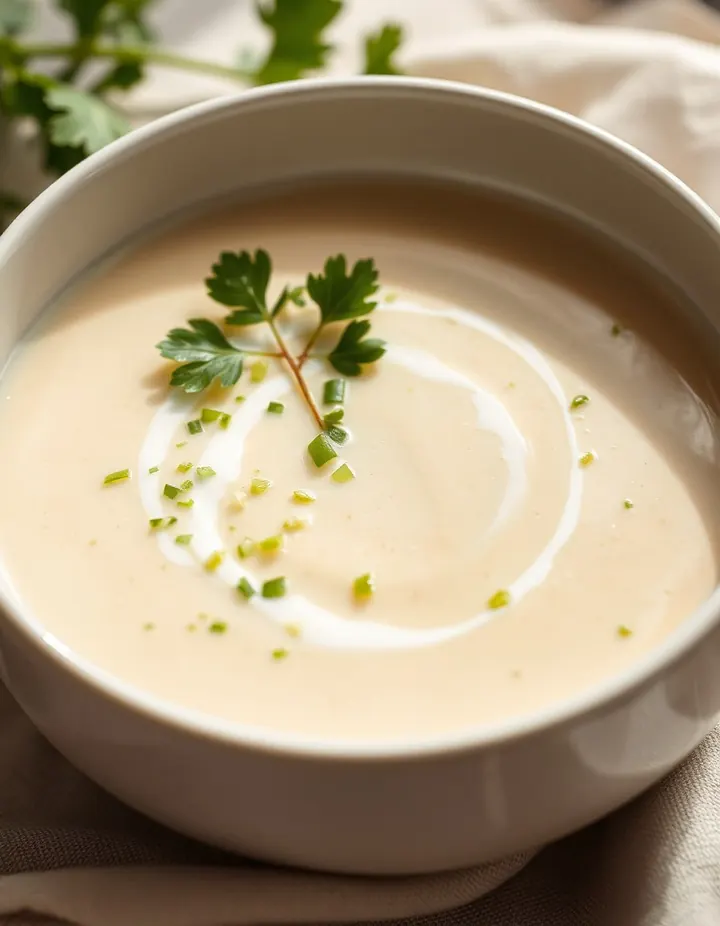 Cream of Celery Soup113 recipes
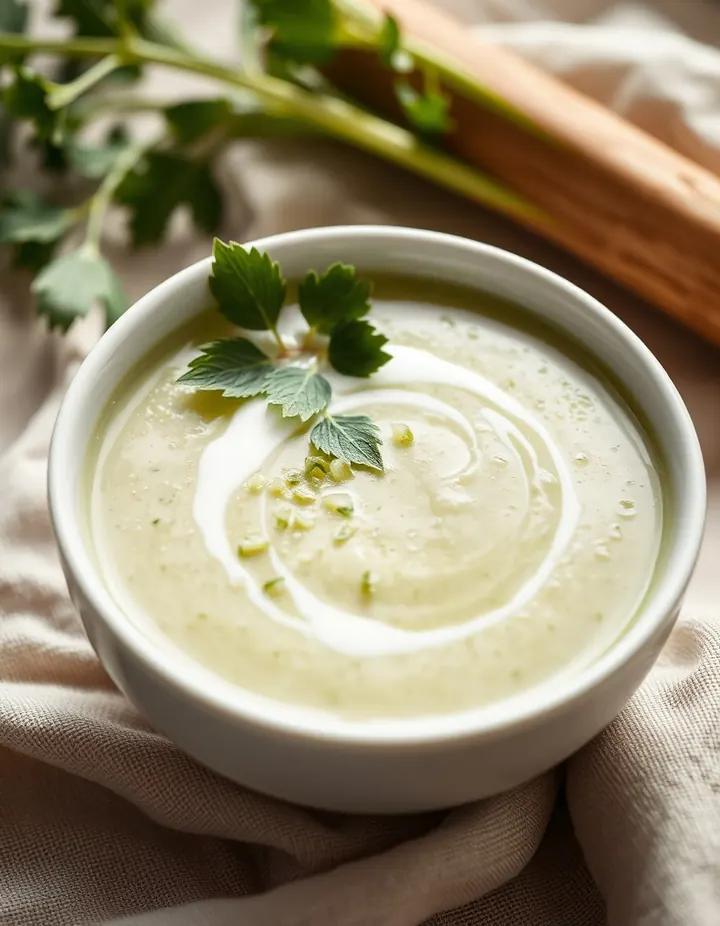 Celery Stew25 recipes
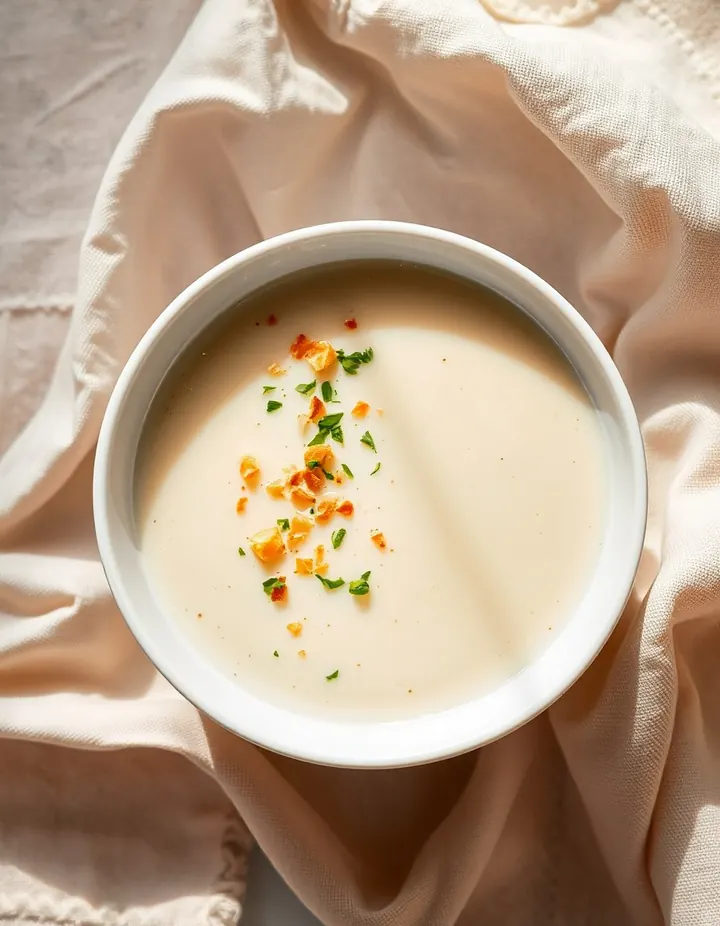 Mock Oyster Soup21 recipes
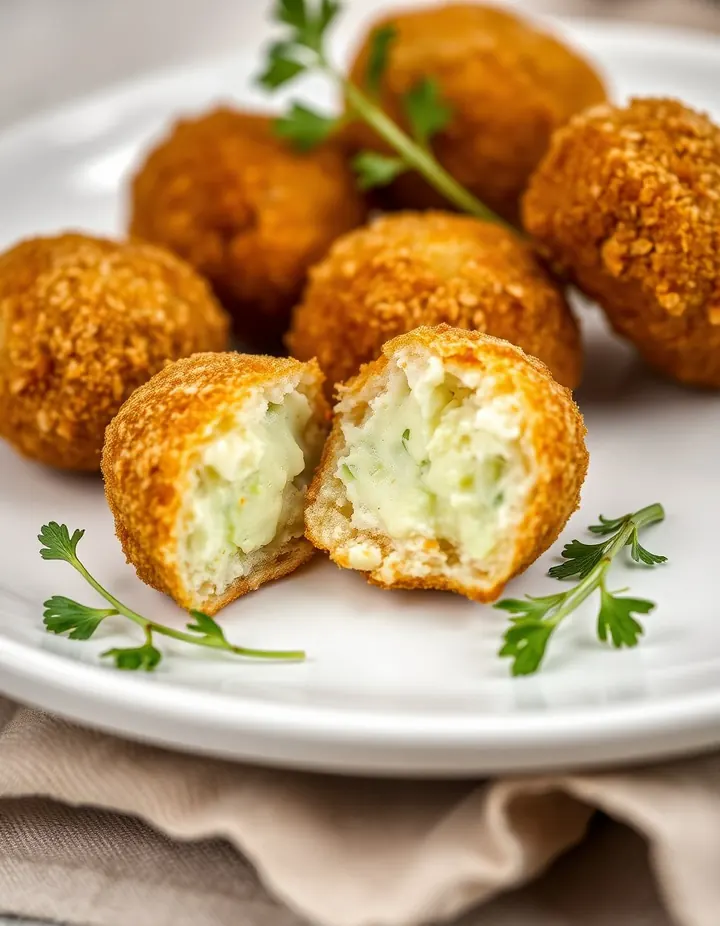 Celery Croquettes16 recipes
The Sunday pairing: one pairing, the chemistry behind it, and how to cook it. No spam, unsubscribe anytime.
Prefer an account? Create a free account for sign-in; Pro adds the full results and chemistry.