Why it works: Pear and plum match in chemistry and in kitchens. They rank in the top 1% of all ingredient pairs, and cooks put them together in 245 recipes. Both carry 2,4-decadienal, which smells seaweed. The science ↓
Candied Fruits
Ingredients
Directions
The book says “a cool oven”. The 300°F (150°C) in the steps is the modern equivalent, not the book's own figure.
Make the syrup and soak
Boil the fruits in a thick syrup made from ½ cup water and 1 pound sugar until tender.
Remove from heat and let the fruits sit in the syrup for two days.
Dry and finish
Take the fruits out, drain them, sprinkle sugar over each piece, and dry in a cool oven at 300°F (150°C).
Transcribed from a scanned cookbook and modernised for today's kitchens. Where the book gave no heat or time, or said "a moderate oven", the temperatures and times here may be modern equivalents rather than the book's own figures.
Explore the science
The flavor team
The pairs that carry this dish. Each one is judged two ways: how much their aromas overlap, and how often cooks already put them together.
-
Pear + plumtop 1% of all pairsSmell alikestrongCooked together245 recipes
Shared aroma: 2,4-decadienal (seaweed).
-
Peach + plumtop 1% of all pairsSmell alikestrongCooked together163 recipes
Shared aroma: 2,4-decadienal (seaweed).
-
Pear + quincetop 1% of all pairsSmell alikestrongCooked together133 recipes
Shared aroma: ethyl isobutyrate (fruity, ethereal).
-
Peach + peartop 1% of all pairsSmell alikestrongCooked together114 recipes
Shared aroma: 2,4-decadienal (seaweed).
-
Plum + quincetop 2% of all pairsSmell alikestrongCooked together92 recipes
Shared aroma: ethyl cinnamate (sweet, balsamic).
Ranks compare each pair with 20,000 random ingredient pairs on CompKitchen. How we score pairs
What each ingredient does
- White sugar
- Sweetens the fruit and, at high concentration, preserves it by drawing out water.
- Peaches
- Main fruit that softens when simmered and absorbs syrup, becoming sweet and translucent.
- Pears
- Main fruit that softens when simmered and absorbs syrup, becoming sweet and translucent.
- Plums
- Main fruit that softens when simmered and absorbs syrup, becoming sweet and translucent.
- Cherries
- Main fruit that softens when simmered and absorbs syrup, becoming sweet and translucent.
- Quinces
- Main fruit that softens when simmered and absorbs syrup, becoming sweet and translucent.
The step that matters
Letting the fruit sit in the syrup for two days. Sugar must replace the water in the fruit gradually. Resting in the syrup lets the concentration rise slowly, so the fruit keeps its shape and preserves well rather than shrinking or fermenting.
Swap the quince
How well each one fits the dish's main ingredients (sugar, peach, pear, plum):
- Apricotfits better
- Vanillafits better
- Applefits better
- Quincethe original
Fit is the average pairing score against sugar, peach, pear, plum. Candidates are from the same food group and used in at least 100 recipes.
“What each ingredient does” and “The step that matters” were written by Claude from this recipe’s own method and reviewed in samples by CompKitchen.
You might also like
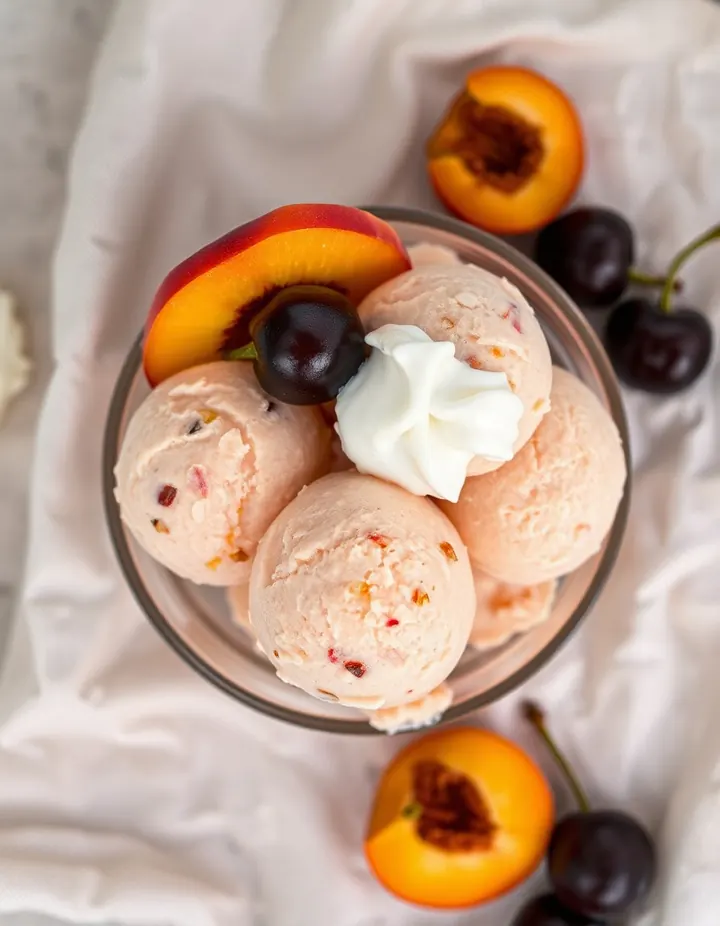 Mixed Fruit Sherbet6 recipes
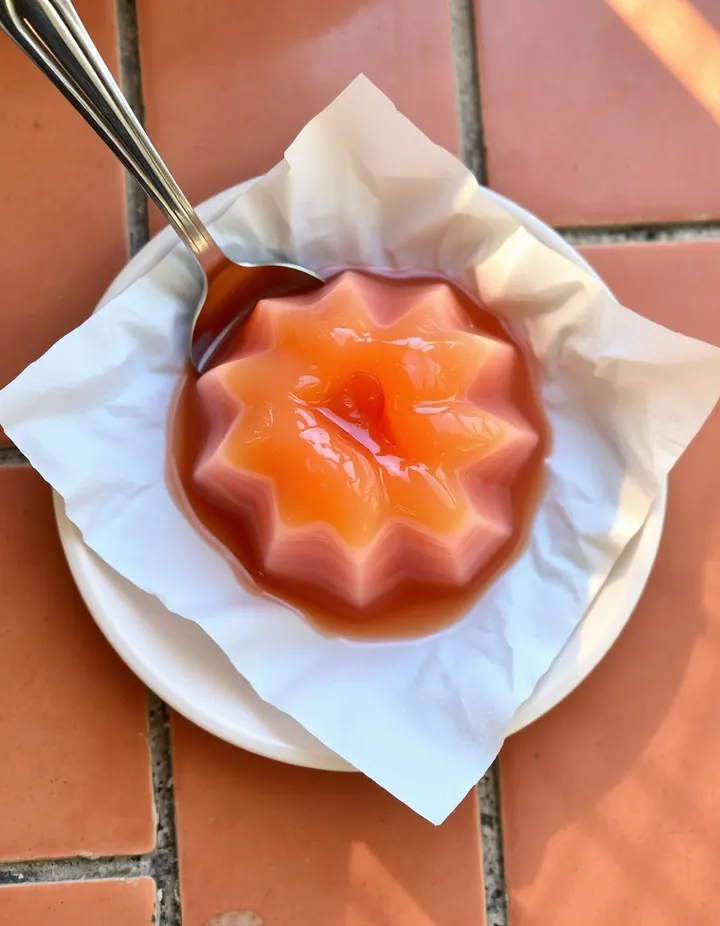 Quince Jelly131 recipes
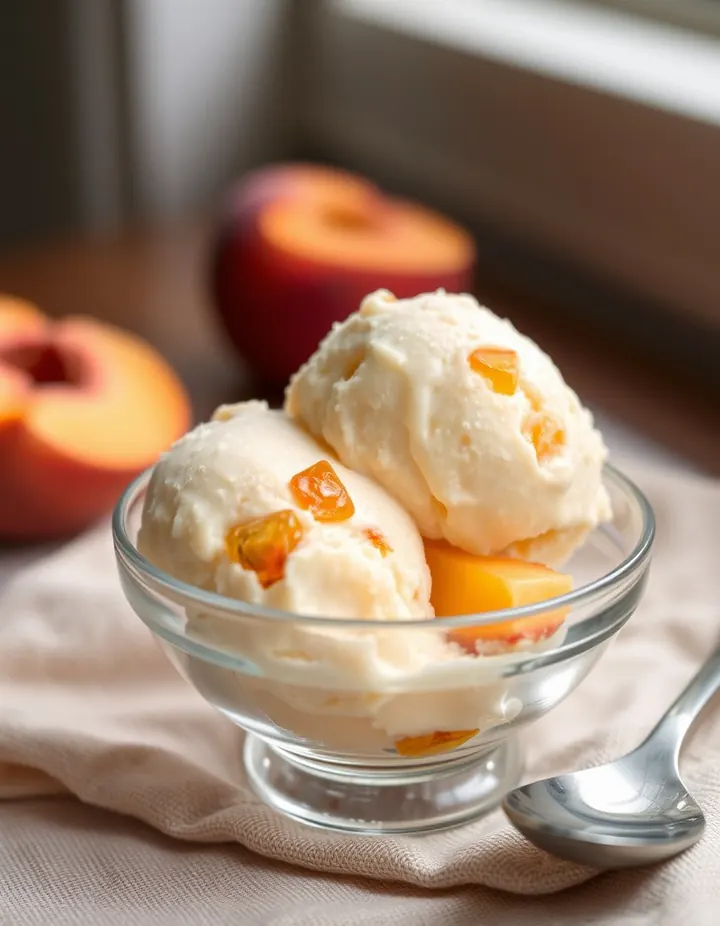 Peach Ice Cream64 recipes
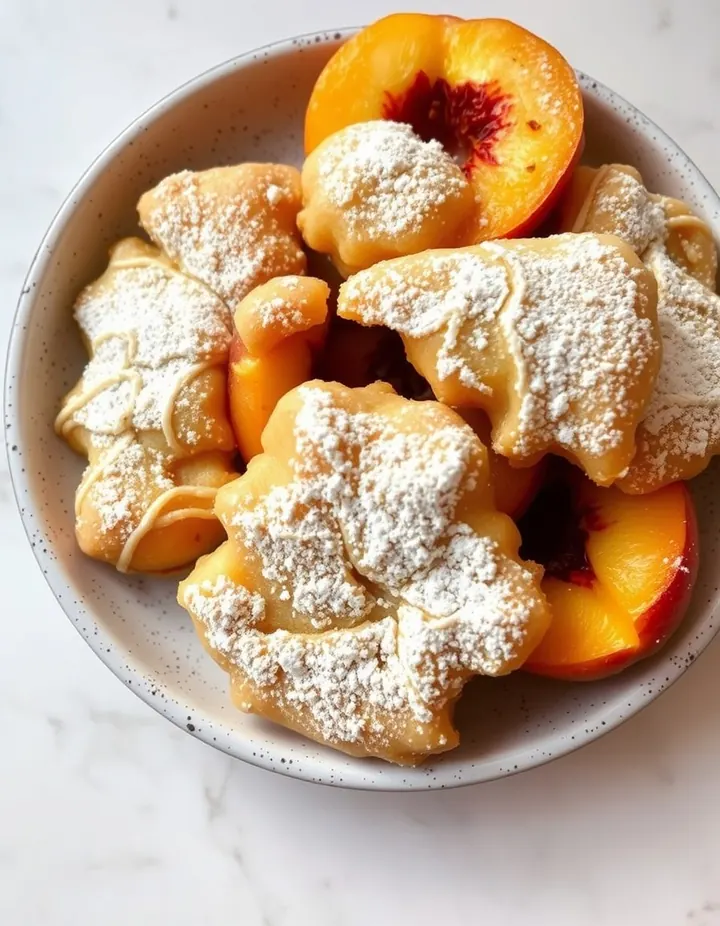 Peach Fritters55 recipes
The free Flavor Lab newsletter: one surprising pairing a week and the molecular reason it works, in 60 seconds. No spam, unsubscribe anytime.
Prefer an account? Create a free account to save pairings and unlock the full chemistry.